
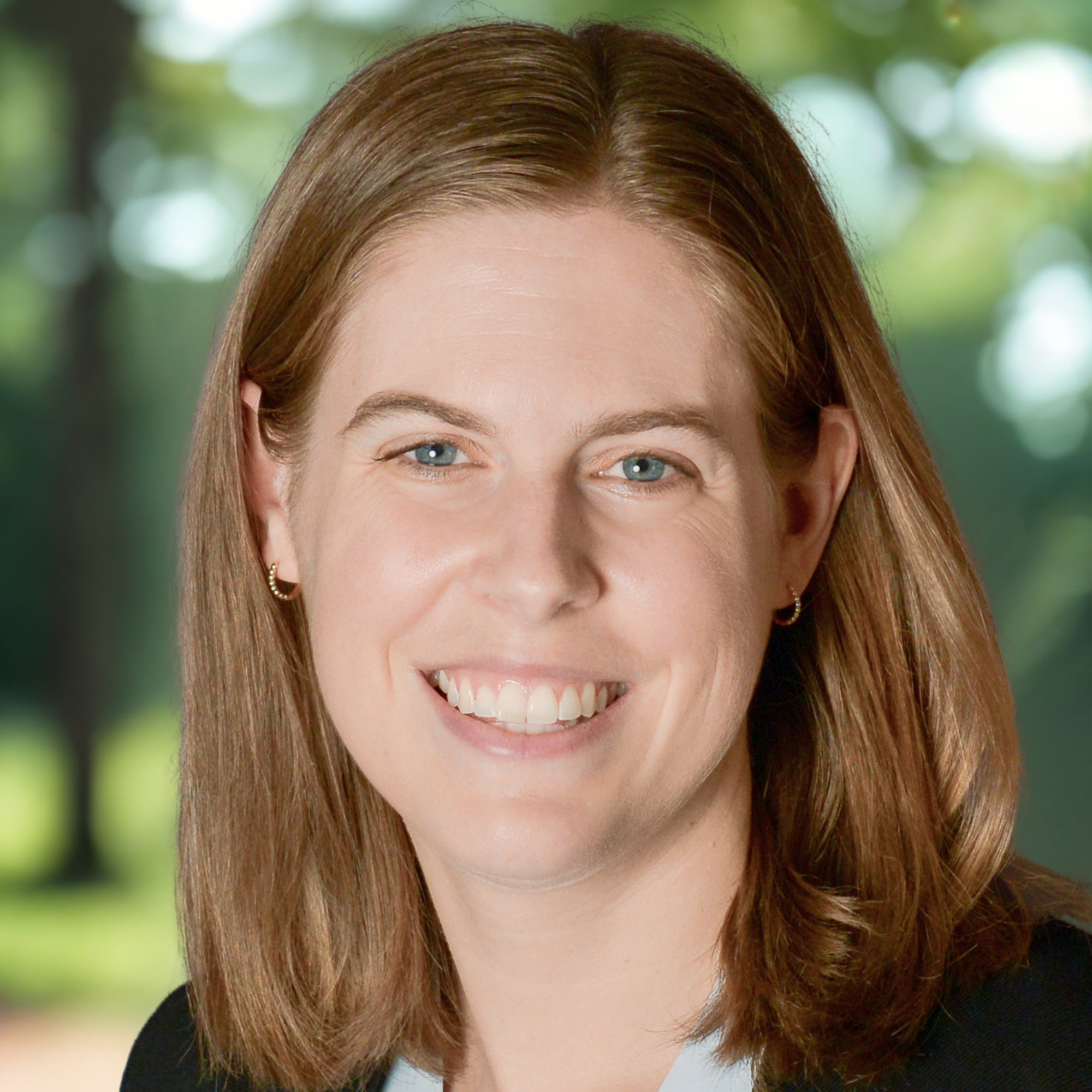
Abigail Knight
Abigail Knight is an Associate Professor in the Department of Chemistry at the University of North Carolina at Chapel Hill. Her research group works at the interface of chemical biology and polymer science, developing protein-mimetic synthetic macromolecules with biomimetic hierarchical structure. Abby completed her PhD at UC Berkeley with Prof. Matthew Francis and her postdoctoral training at UC Santa Barbara with Prof. Craig Hawker. Her group's research aims to engineer synthetic nanomaterials that rival the binding capabilities of proteins, with applications in global health and sustainability. She is a 2024 Sloan Research Fellow and recipient of the NSF CAREER Award.
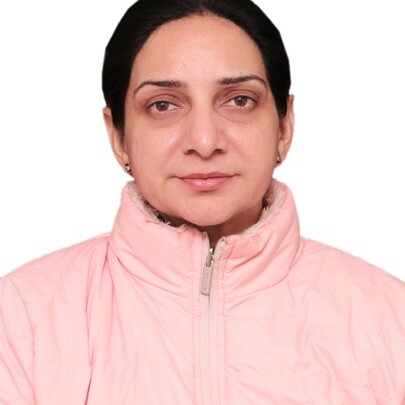
Anupreet Kaur
Dr Kaur is a dedicated and research-oriented Assistant Professor with over 14 years of experience in teaching and advanced research in chemistry. Expertise in nanomaterials, environmental remediation, and analytical techniques. Proven track record in publications, patents, and academic contributions with strong interest in innovative materials and foldamer-based systems.
Beatrice Collins
Beatrice is the Early Career Champion for the Network and leads a synthetic chemistry research group in the School of Chemistry at the University of Bristol.
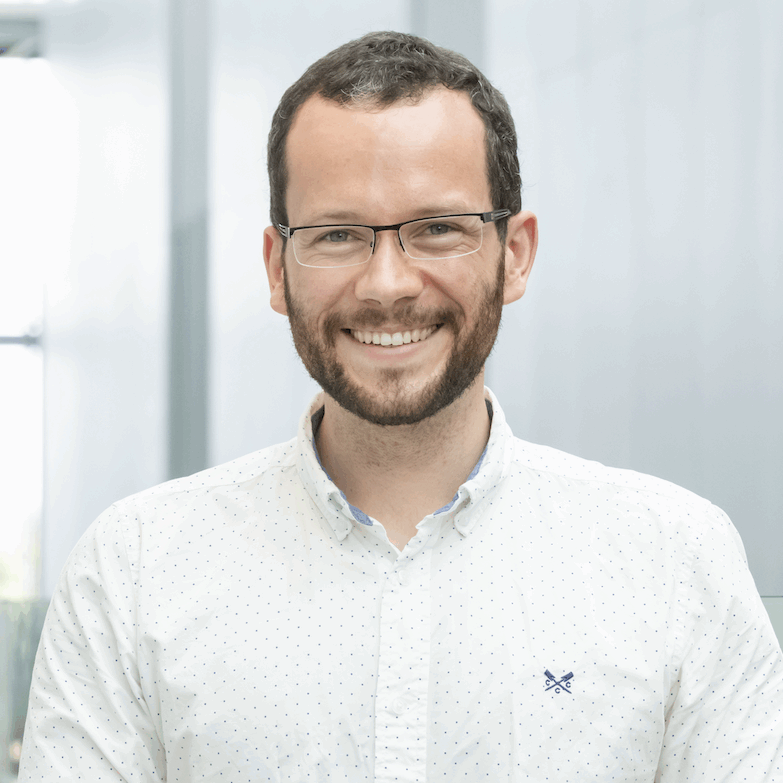
Charlie McTernan
Charlie McTernan is a Group Leader in the Physical Sciences at the Francis Crick Institute in London, and a Senior Lecturer at the Department of Chemistry at King's College London. He is a Supramolecular Chemist, investigating how Artificial Molecular Machines and Metal-Organic Capsules can be applied in Biomedical Science.
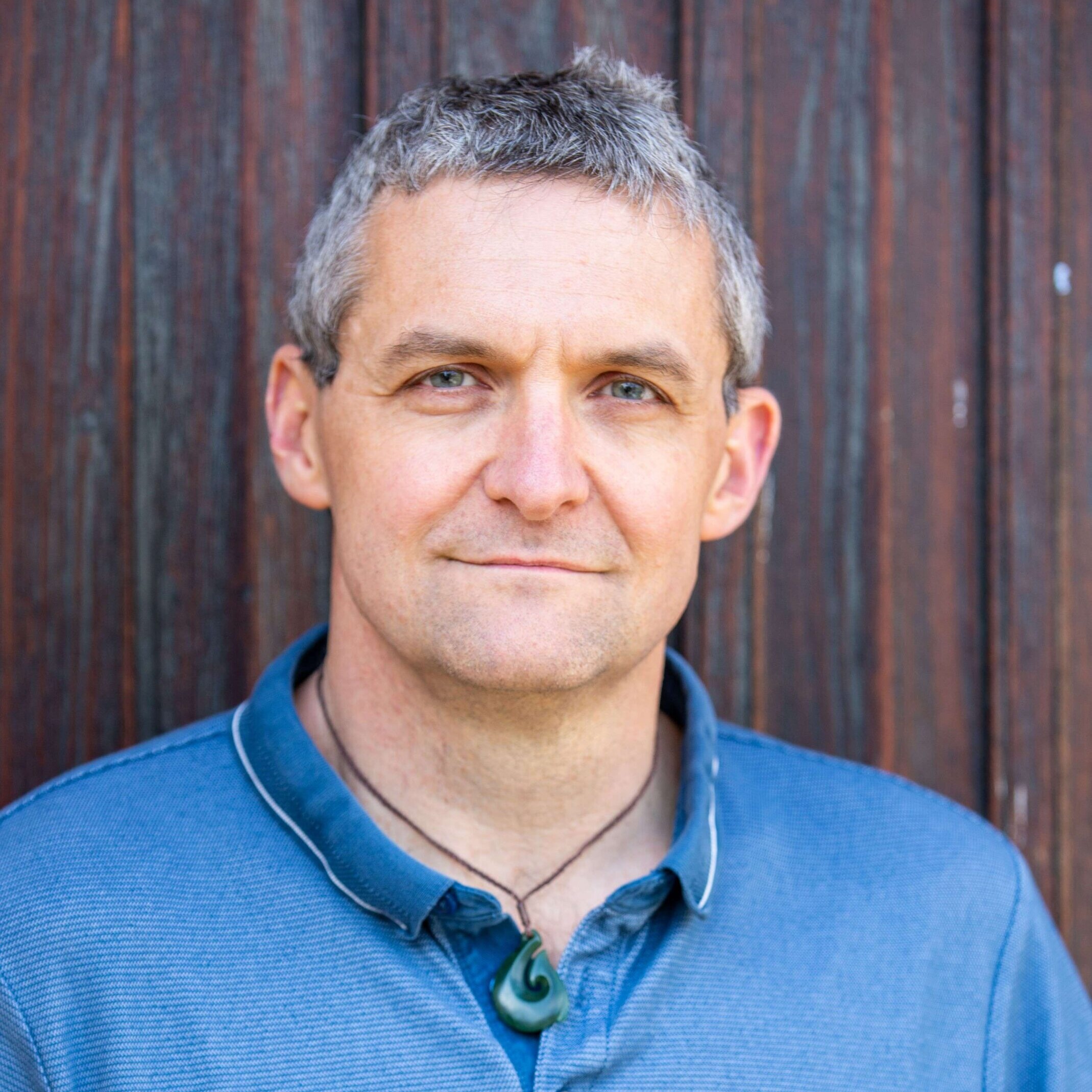
Craig Butts
Professor Craig Butts is the Head of the School of Chemistry and Professor of Structural and Mechanistic Chemistry at the University of Bristol. The Butts Research Group tackles challenges based around organic molecular structure and reaction mechanism, principally using NMR spectroscopy - the most information-rich analytical technique available to chemists.
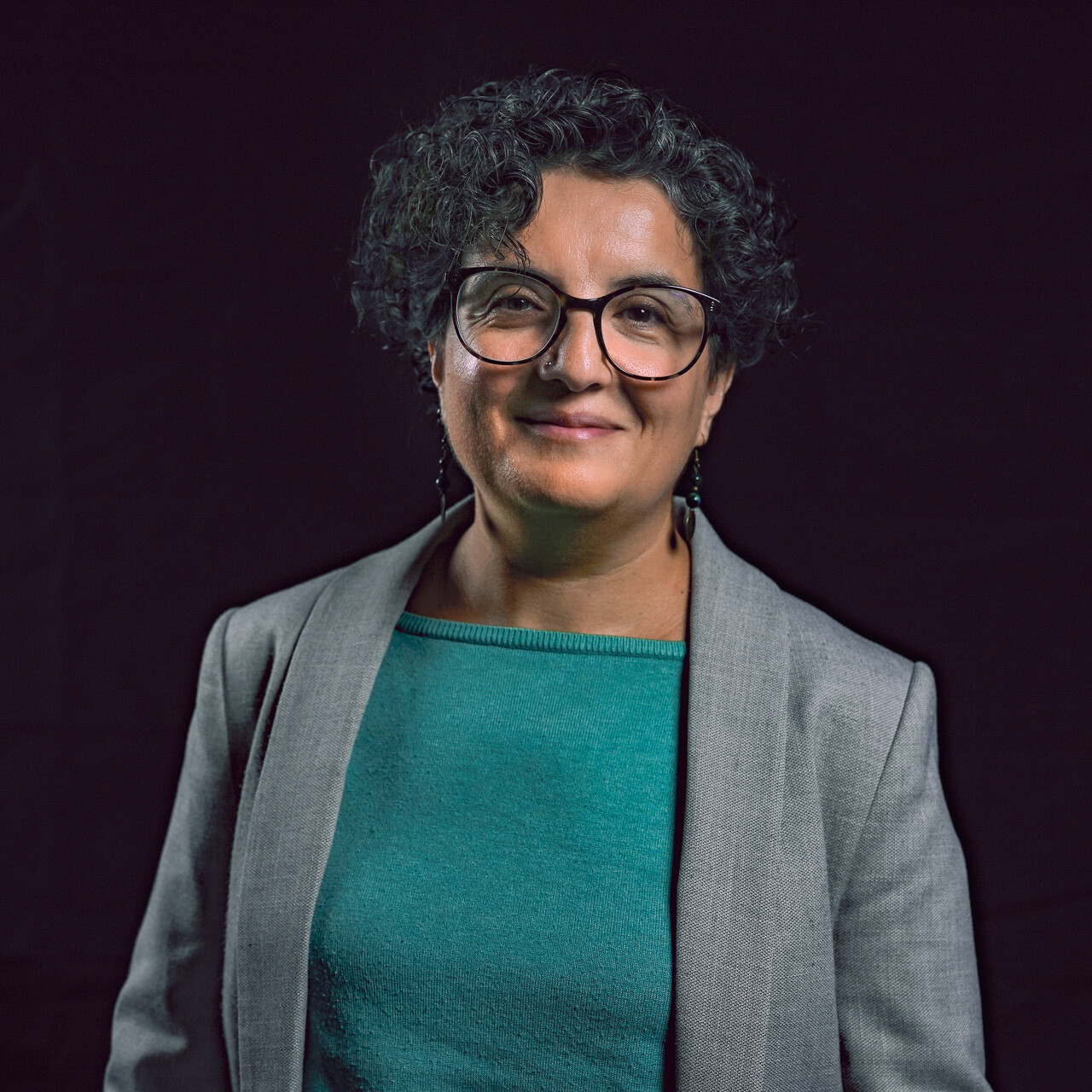
Cristina Trujillo
Dr Cristina Trujillo is the Lecturer and Deputy Head of Computational & Theoretical Chemistry at the University of Manchester.
Edina Rosta
Edina Rosta is a Professor of Molecular Modelling in the Condensed Matter & Materials Physics group of the Department of Physics and Astronomy at University College London.
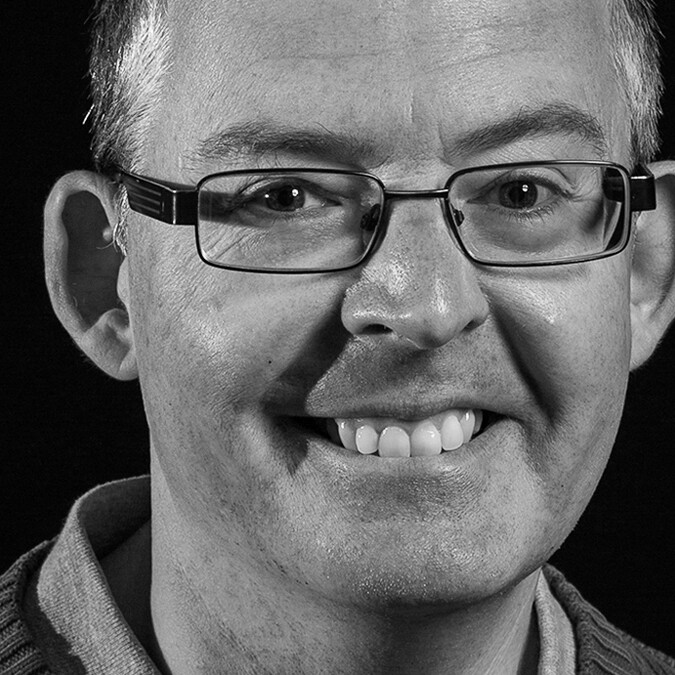
Ian Hamley
Professor Ian Hamley is Diamond Professor of Physical Chemistry in the Department of Chemistry at the University of Reading.
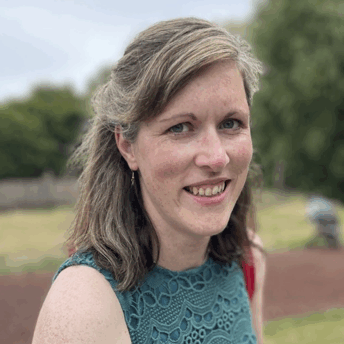
Imogen Riddell
Imogen is a Royal Society University Research Fellow at the University of Manchester. She completed her undergraduate degree at the University of Strathclyde in Glasgow, and then moved to the University of Cambridge where she completed a PhD in the Nitschke group developing novel self-assembling architectures for a variety of applications.

Jonathan Clayden
Jonathan leads a synthetic chemistry group with expertise in design/applications of amide and urea-based with controlled but dynamic conformational properties.
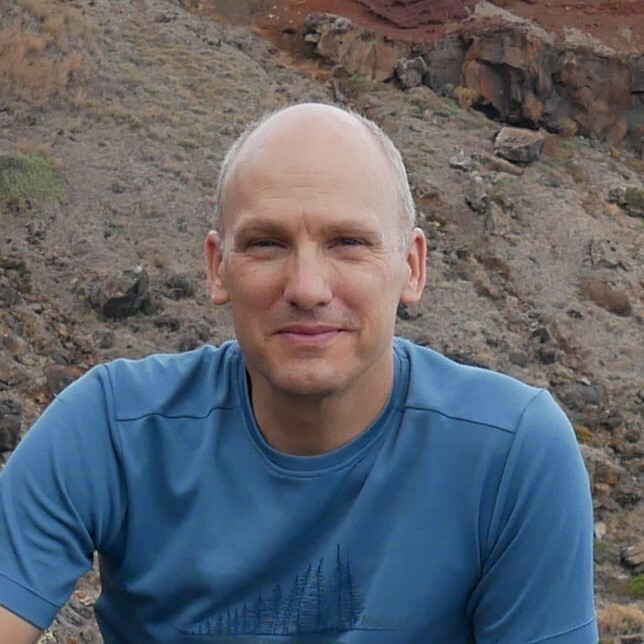
Jonathan Nitschke
The Nitschke Group use chemical self-assembly to create complex structures with targeted functions from simple building blocks. Our work deals with the preparation of complex structures using a process we refer to as subcomponent self-assembly.
Louis Luk
The Luk Group, based at the University of Cardiff, aims to empower protein science and its applications, through (a) Protein labelling via biocatalysts, (b) Discovery of Peptide Binders, and (c) Enzyme catalysed bifunctional ligand synthesis.
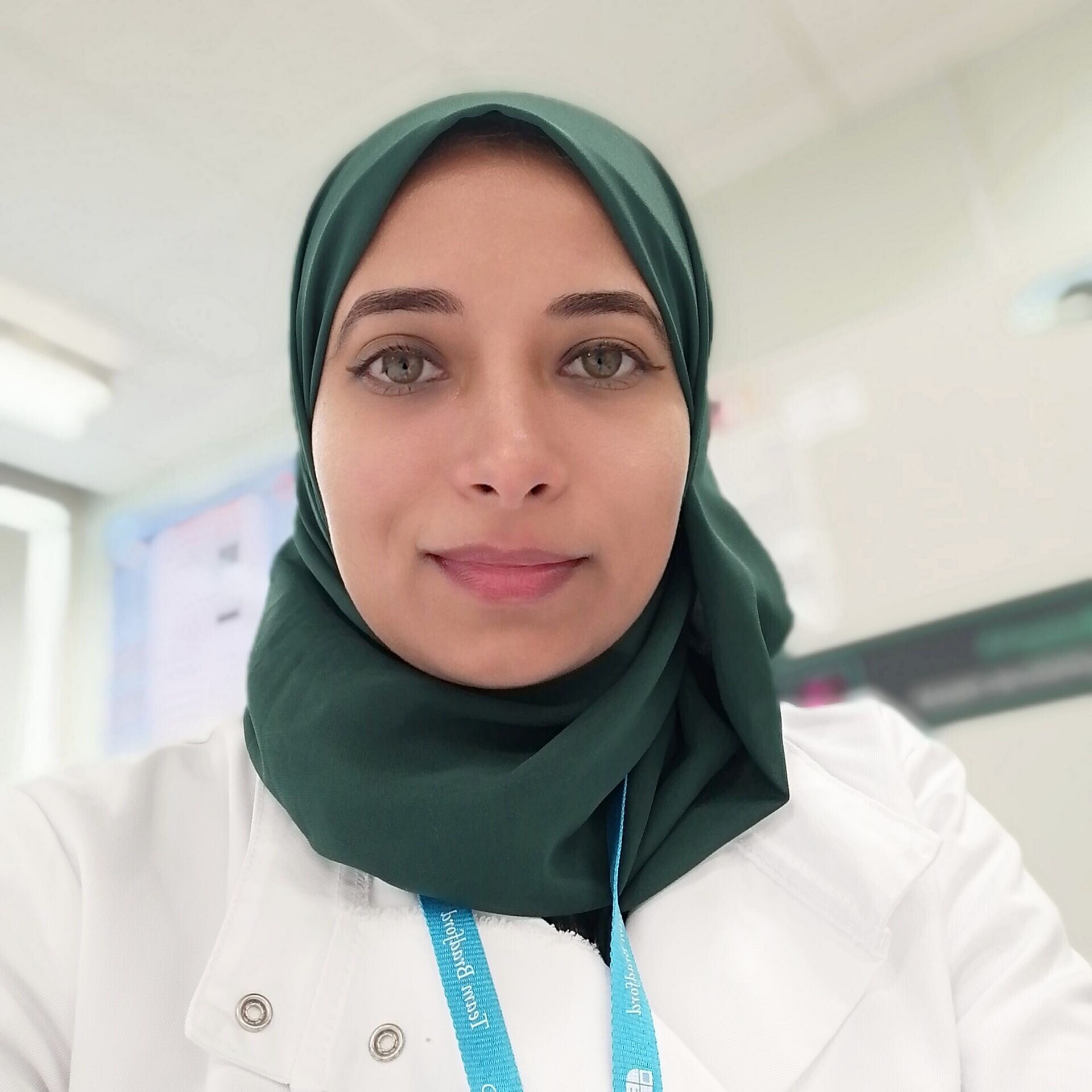
Mai Elnaggar
Dr Elnaggar is deeply passionate about drug discovery from natural products. Her initial research involved exploring small molecules derived from plants, delving into methods for their isolation, structural elucidation, and assessment of their biological activities. Subsequently, she has developed a great interest in combining diverse research sets at the interface of chemistry and biology. This allowed Dr. Elnaggar to explore the biosynthesis of natural molecules, and the engineering of the enzymes involved in their production to enhance their biosynthetic capabilities. Her research then progressed to studying plant-derived cyclic peptides, focusing on modifying their structures to serve as potent and selective enzyme inhibitors. At present, her research focuses on peptide chemistry, with a deeper exploration of the enzymes involved in their biosynthesis and evaluating their potential to address significant unmet medical needs.

Manuel Müller
Manuel is the head of a lab that focuses on developing and applying chemical biology tools to elucidate how proteins are controlled by post-translational modifications.
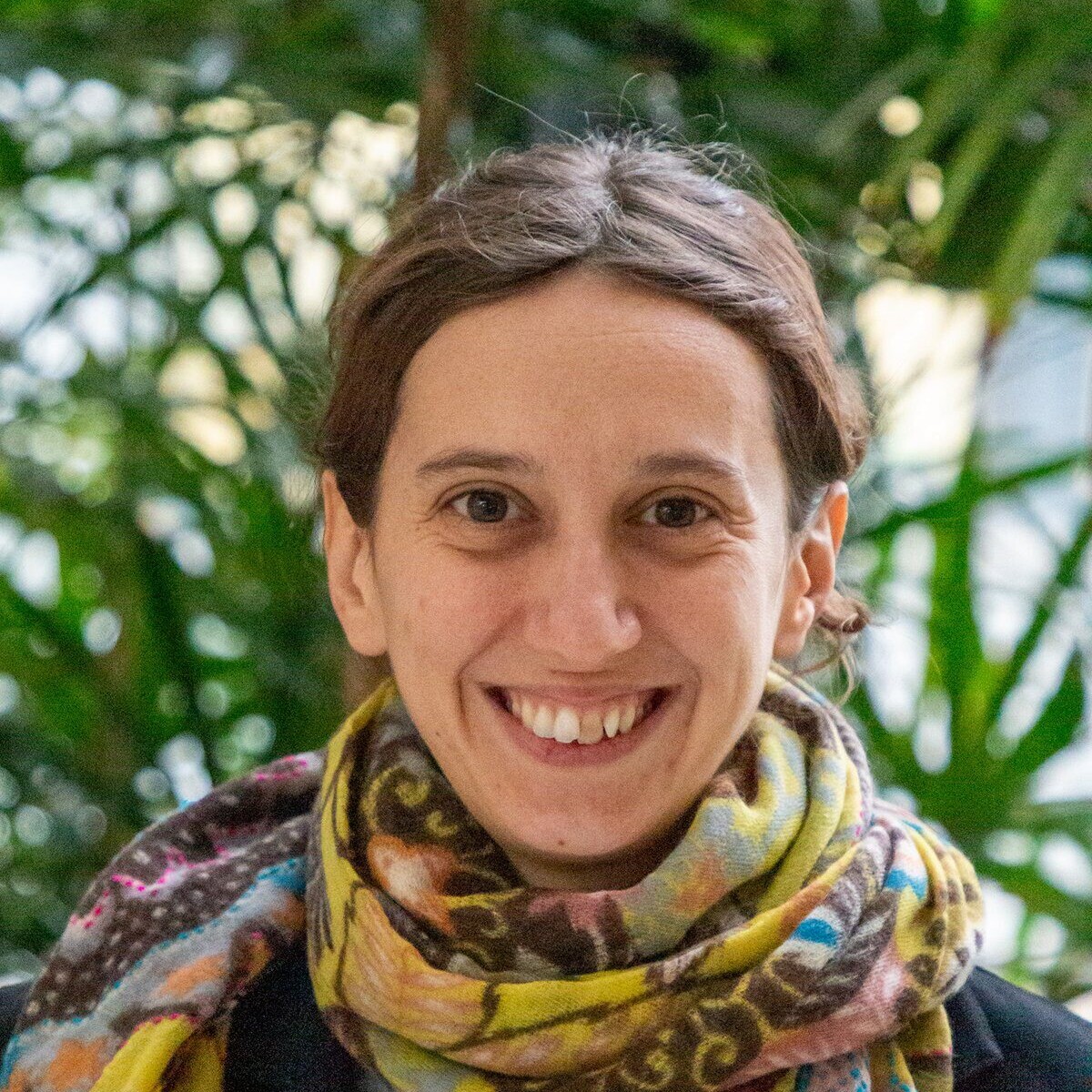
Martina Delbianco
Martina is the Group Leader of the Carbohydrate Materials at the Max Planck Institute for Colloids and Interfaces. Her group synthesizes glycans that fold into defined secondary structures and assemble into programmable supramolecular architectures.
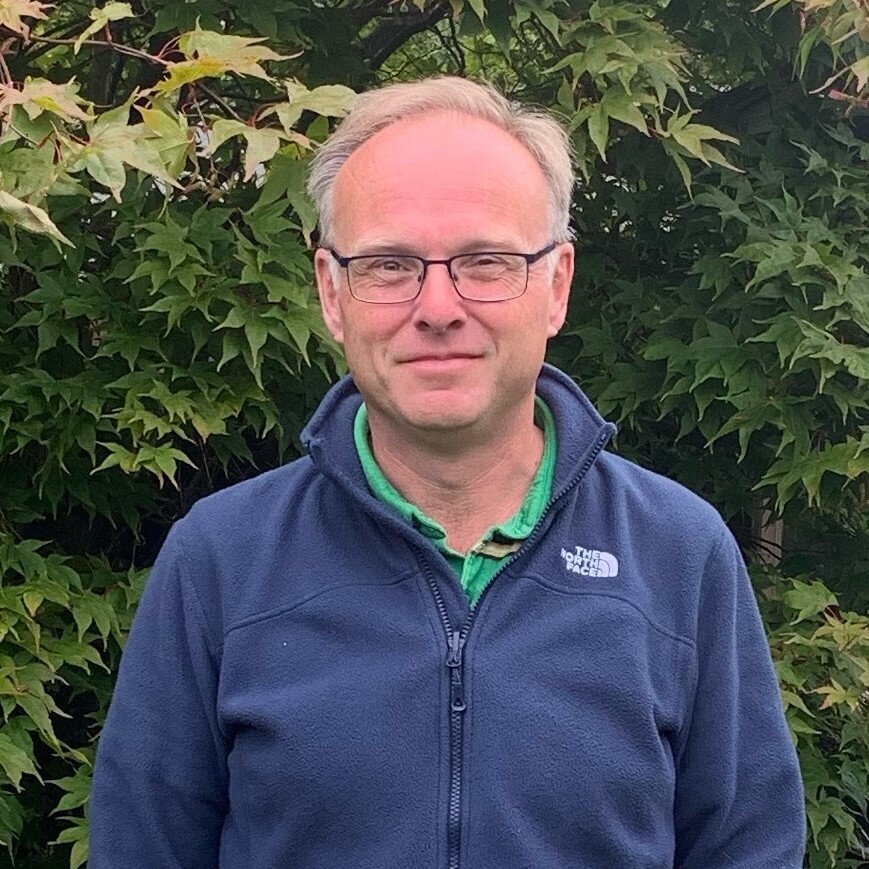
Paul Lusby
The Lusby group has established itself as pioneers in the field of application-led supramolecular chemistry, developing methods in catalysis, biomedicine and magnetism. Professor Paul Lusby started his independent academic career as a Royal Society URF at the University of Edinburgh, where he now holds a personal chair in supramolecular chemistry.
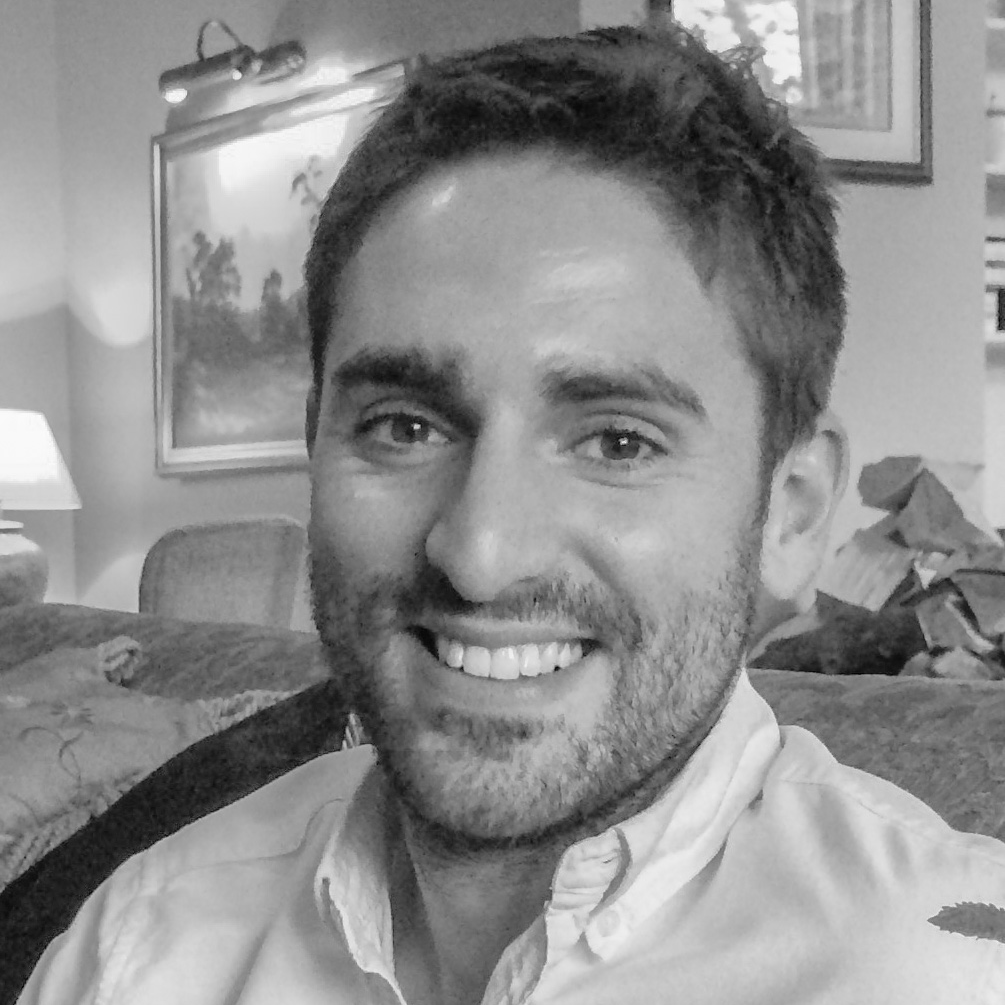
Peter Knipe
Peter is a synthetic organic chemist with a group focused on developing synthetic methodologies, and developing new foldamer motifs. The Knipe Group are particularly interested in precise control of conformation by non-covalent interactions, stereoelectronic effects and monomer structure.

Sarah Pike
Sarah is the lead of a synthetic supramolecular group based in the School of Chemistry at the University of Birmingham. Their research focuses on the development of new responsive supramolecular systems.
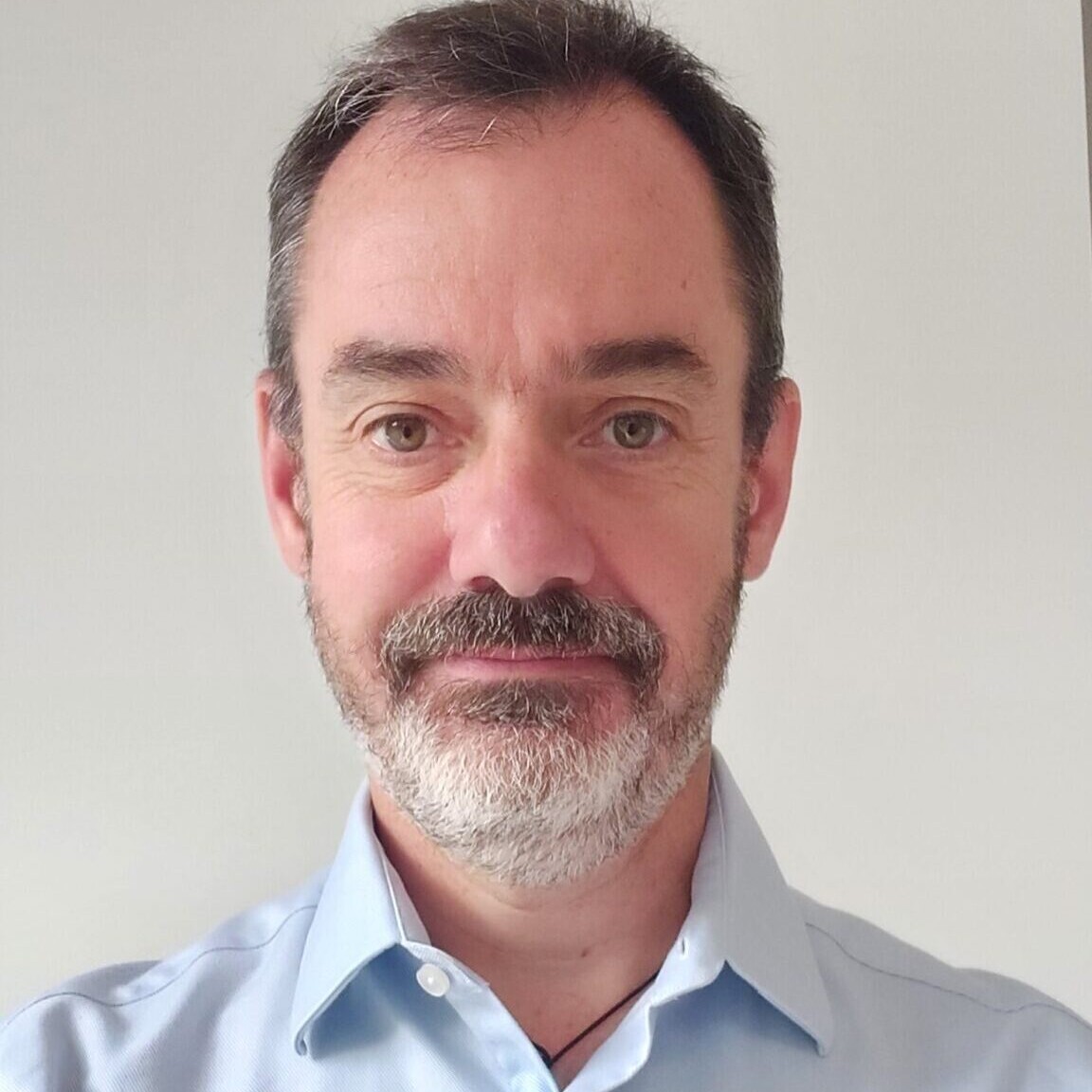
Simon Webb
Simon Webb is currently Professor of Organic Chemistry in the Department of Chemistry at the University of Manchester. His research interests fall mostly in the area of supramolecular chemistry within membranes, which includes the development of synthetic signal transducers and ion channels.
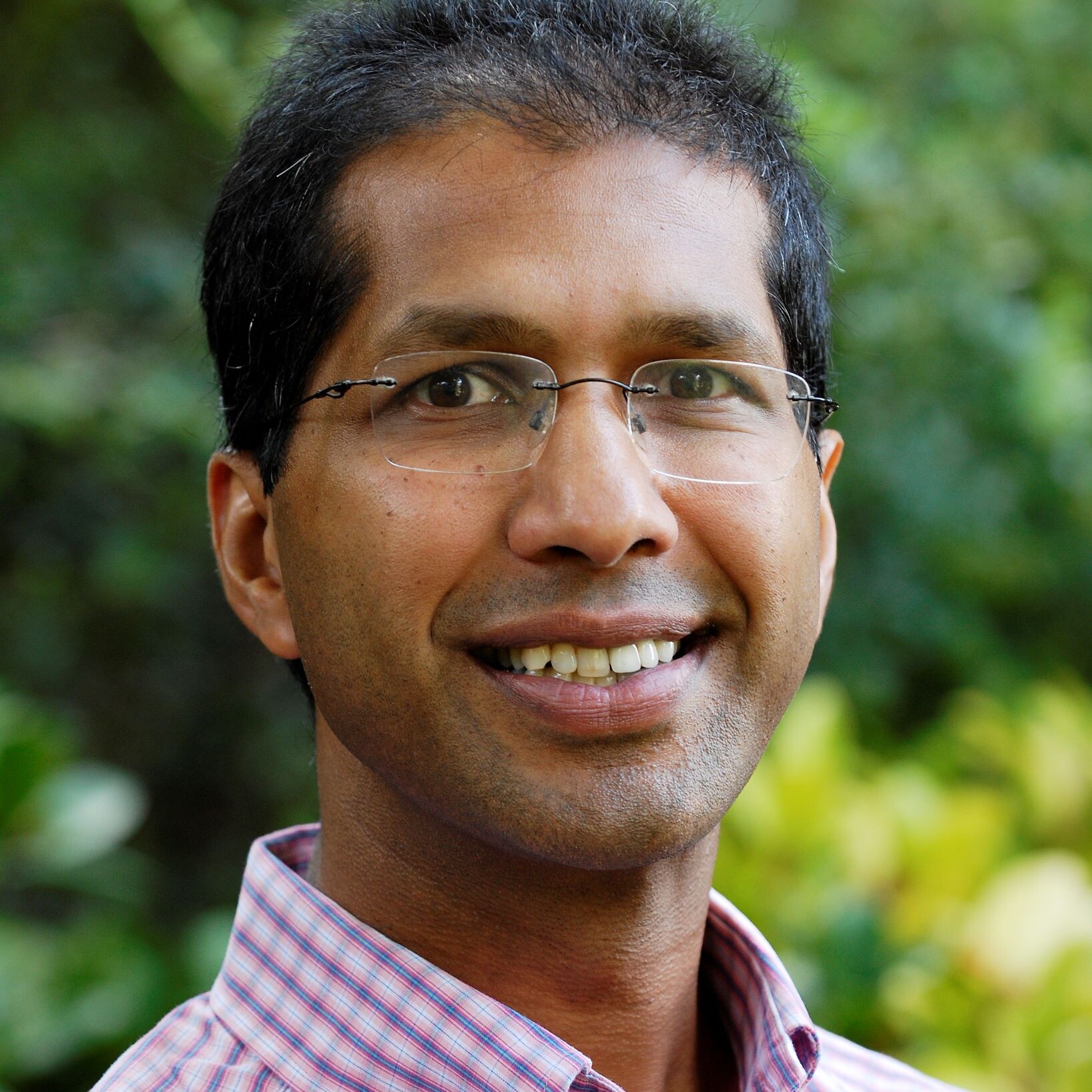
Varinder Aggarwal
Varinder K. Aggarwal studied chemistry at Cambridge University and received his Ph.D. in 1986 under the guidance of Dr. Stuart Warren. After postdoctoral studies (1986-1988) under Prof. Gilbert Stork, Columbia University, he returned to the UK as a Lecturer at Bath University. In 1991 he moved to Sheffield University, where he was promoted to Professor in in 1997. In 2000 he moved to Bristol University where he holds the Chair in Synthetic Chemistry. He was elected Fellow of the Royal Society in 2012.
Join the UK Foldamer Network
To engage with all the exciting opportunities and events this network has to offer, please register now. It’s quick and easy.