

Anna Barnard
Anna is an Associate Professor (Senior Lecturer) in the Department of Chemistry at Imperial. Her research focuses on the development of peptides and small molecules to understand and perturb protein-protein interactions.

Harry Anderson
Harry Anderson has led an independent research group at the University of Oxford since 1995. His research topics include porphyrin-based molecular wires, cyclodextrin polyrotaxanes, insulated molecular wires, encapsulated π-systems, template-directed synthesis, multivalent cooperativity, nanorings, polyynes, new carbon allotropes and functional dyes.

Ian Hamley
Professor Ian Hamley is Diamond Professor of Physical Chemistry in the Department of Chemistry at the University of Reading.

Jason Davis
The Davis Group develops and applies methods for the design, analysis and manipulation of functional molecular interfaces (bioelectronic, biochemical, wires, mechanically interlocked, nanoparticles), often at molecular scales, and are actively engaged in the use and development of state of the art molecular, theranostic and medical imaging technologies.
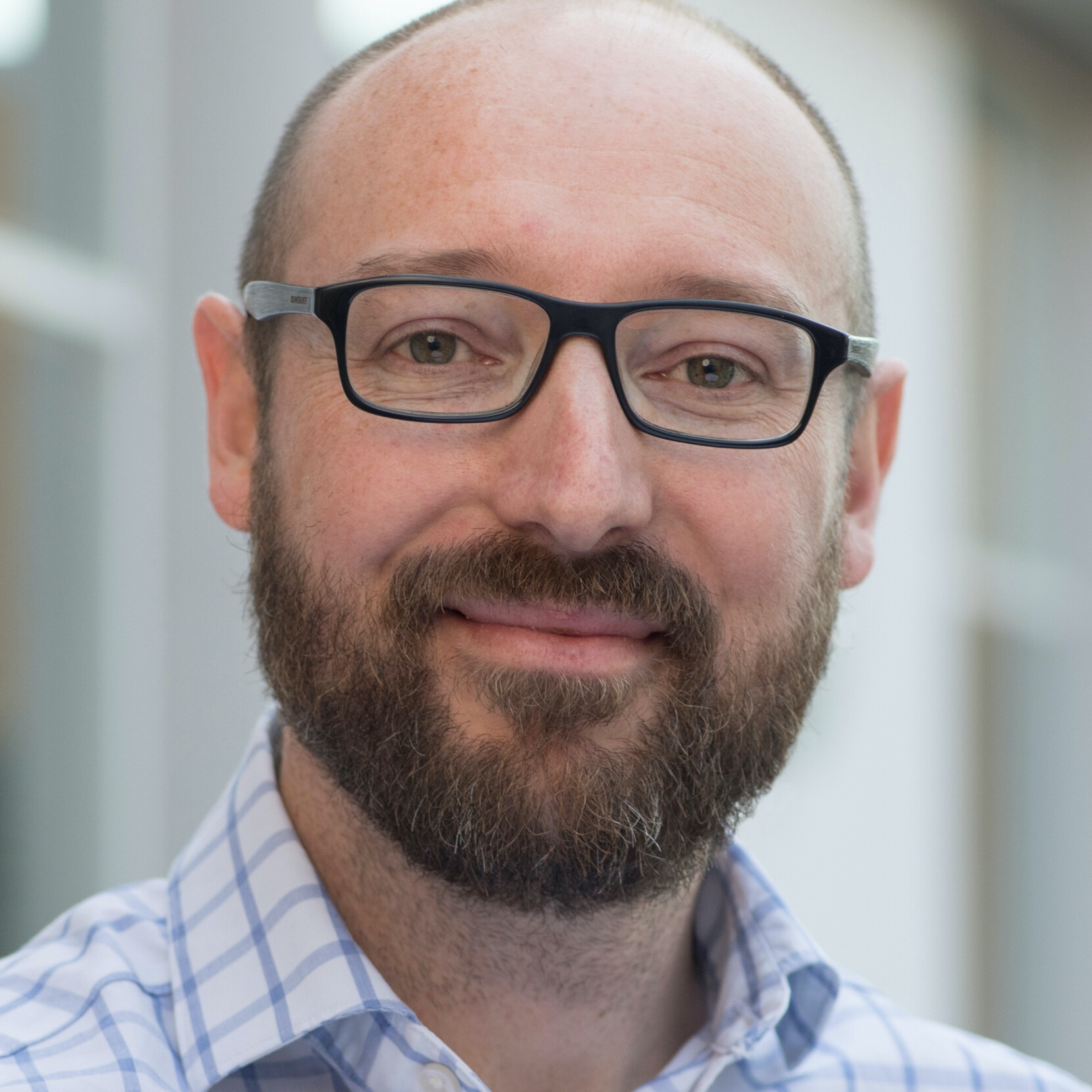
Nicholas Mitchell
Nick's group focuses on the development of new bioconjugation methodologies. Current projects include the exploration of photocatalytic, biocatalytic, and electrochemical methods for the site-selective modification of peptides and proteins.

Scott Cockroft
Scott is the lead investigator of a group which spans organic, physical, and bioorganic chemistry. We combine molecules of synthetic and biological origins to examine the physical organic chemistry underpinning molecular interactions and the operation of molecular machines.
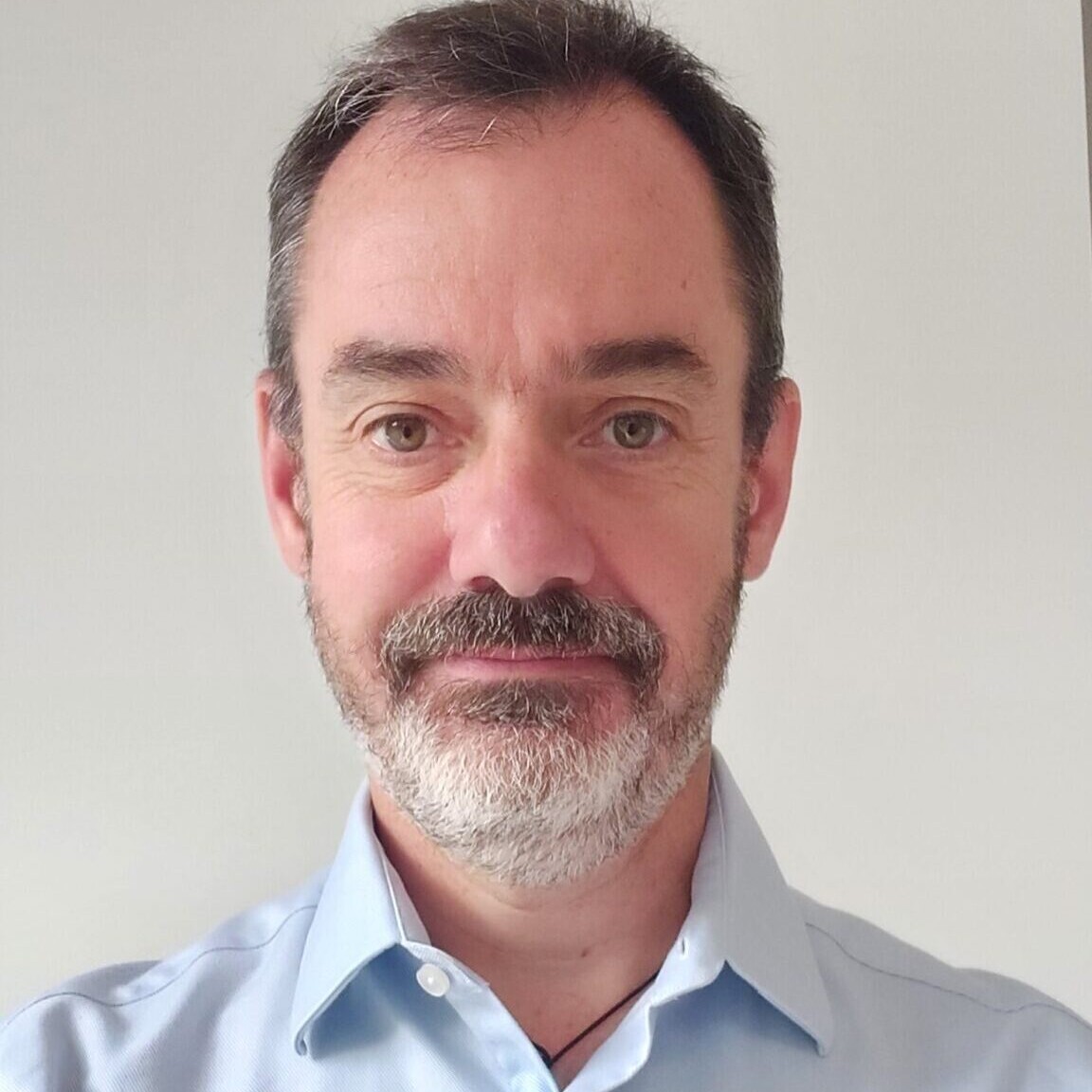
Simon Webb
Simon Webb is currently Professor of Organic Chemistry in the Department of Chemistry at the University of Manchester. His research interests fall mostly in the area of supramolecular chemistry within membranes, which includes the development of synthetic signal transducers and ion channels.

Steven Cobb
Steven is the Director of the Biophysical Sciences institute and his research group uses a range of methods and techniques in synthetic organic, peptoid and peptide chemistry to tackle interesting and challenging biological problems.
Join the UK Foldamer Network
To engage with all the exciting opportunities and events this network has to offer, please register now. It’s quick and easy.