

Bishwajit Paul
Dr. Paul's research group
primarily focuses on biomimetic peptidic foldamers with significant structural importance. His research interests revolve around investigating new noncovalent interactions, such as halogen bonding, weak hydrogen bonding, C-H...O interactions, and other structural motifs that may not be present in natural peptides.

Shiao Chow
Since October 2022, Shiao is Chancellor’s Fellow in the Department of Pure and Applied Chemistry at the University of Strathclyde. Her independent research aims to create next generation peptidomimetics armed with the ability to perform bioorthogonal catalysis.
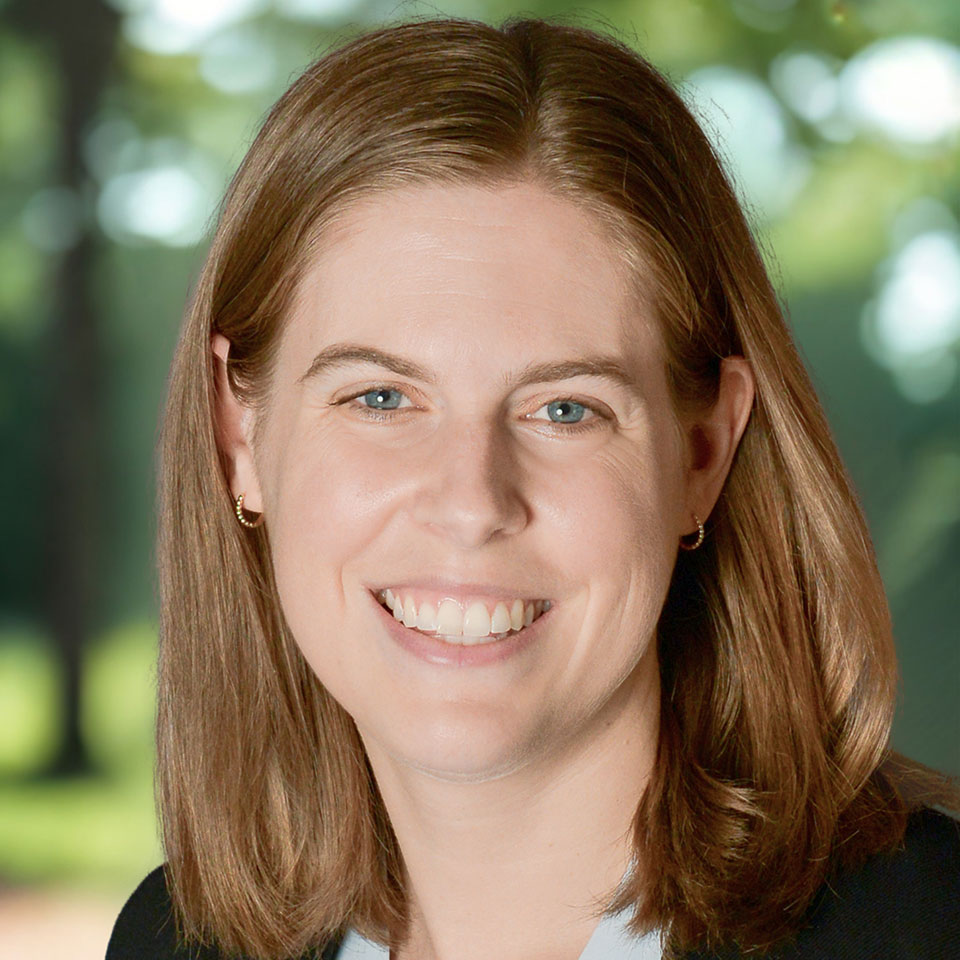
Abigail Knight
Abigail Knight is an Associate Professor in the Department of Chemistry at the University of North Carolina at Chapel Hill. Her research group works at the interface of chemical biology and polymer science, developing protein-mimetic synthetic macromolecules with biomimetic hierarchical structure.

Sam Thompson
Thompson Group research focuses on structure guided rational design to synthesise molecules that address problems in biology, medicine and materials. The research programme includes:
Protein-protein interaction inhibition
Tools to interrogate protein misfolding conditions
Abiotic foldamers: programmable 3D architectures

Alison Edwards
Dr Alison Edwards is the Senior Lecturer in Pharmaceutical Chemistry at the Universities of Greenwich and Kent at Medway. Alison's research interests include the use of chiroptical spectroscopy, the conformational preference of novel foldamer systems and the preparation of supramolecular hydrogels using carbohydrate scaffolds.

Anna Barnard
Anna is an Associate Professor (Senior Lecturer) in the Department of Chemistry at Imperial. Her research focuses on the development of peptides and small molecules to understand and perturb protein-protein interactions.
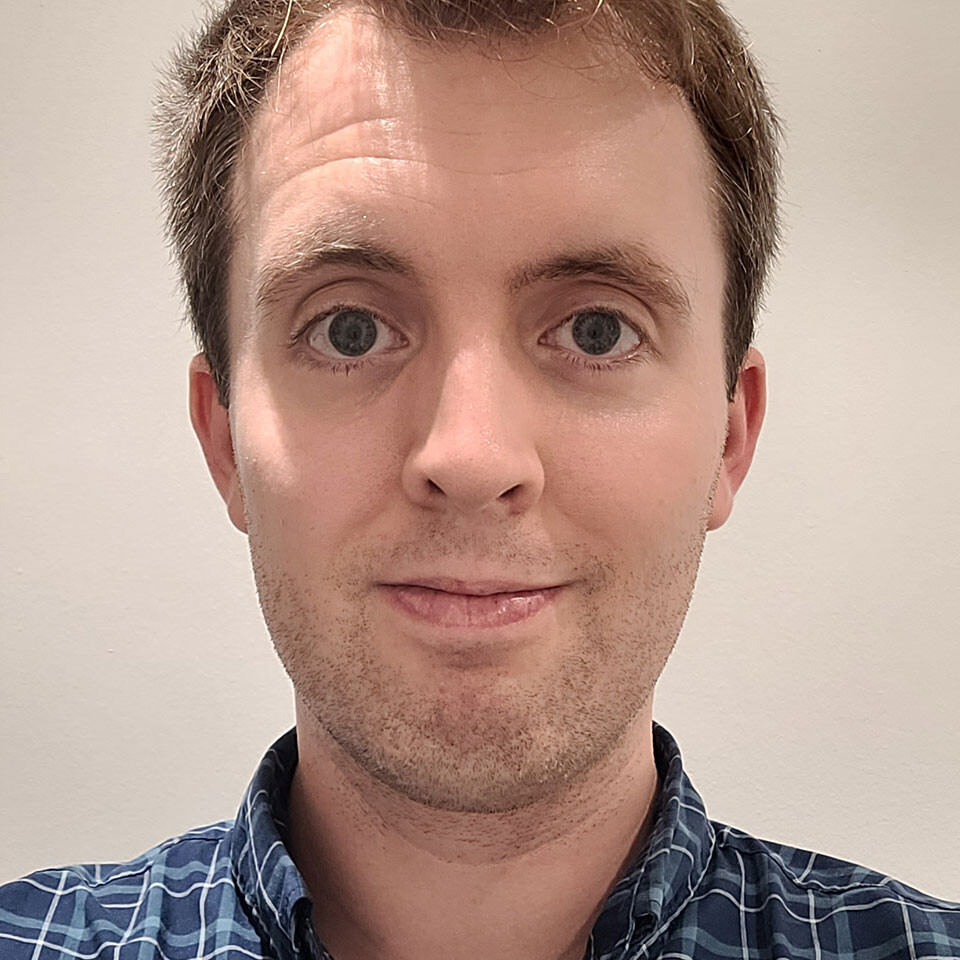
James Hindley
Research in the Hindley group takes a multidisciplinary approach to construct bioinspired nano and microsystems known as synthetic cells. By utilising molecular self-assembly, and interfacing compartments with other (bio)molecules, synthetic cells can be constructed with the ability to mimic the architectures, functions and behaviours of biology.

Andy Wilson
Andy Wilson is a Professor in the School of Chemistry at the University of Birmingham. The Wilson group are interested in the application of synthetic molecules to problems in Chemical Biology and Materials Science. We pursue both curiosity driven fundamental research and mission inspired research addressing societal challenges.
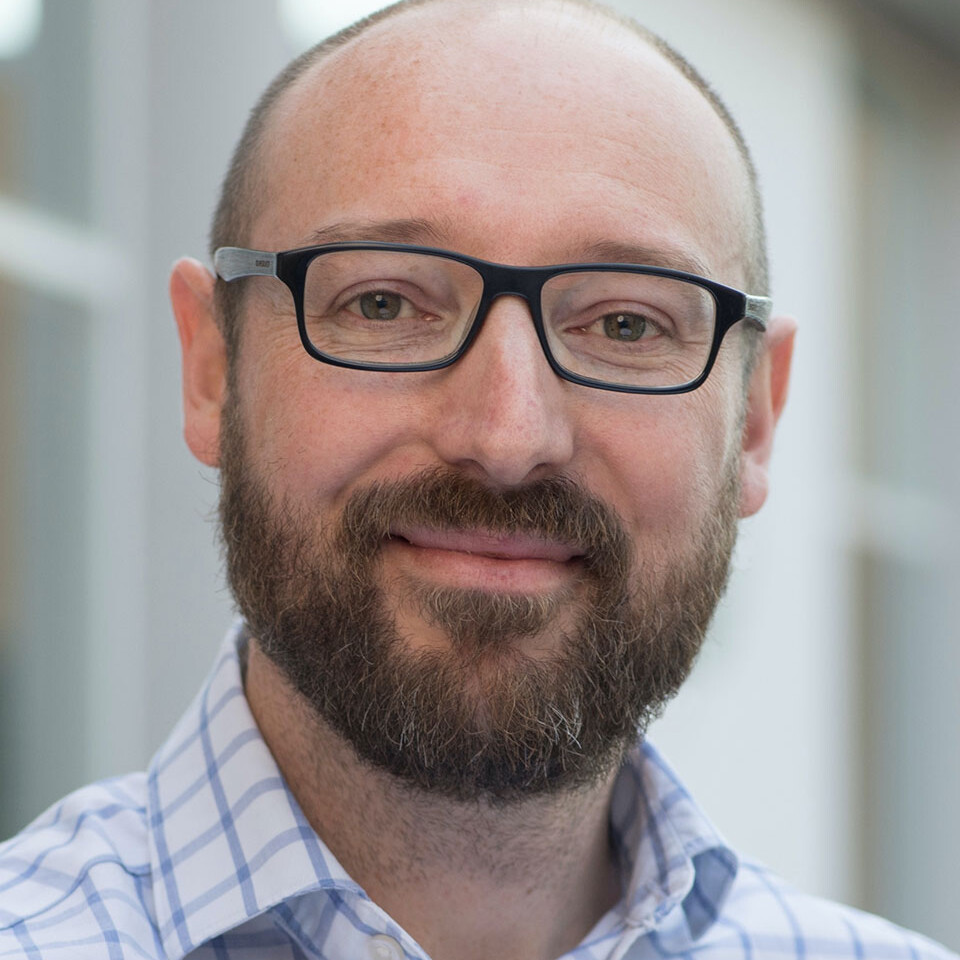
Nicholas Mitchell
Nick's group focuses on the development of new bioconjugation methodologies. Current projects include the exploration of photocatalytic, biocatalytic, and electrochemical methods for the site-selective modification of peptides and proteins.

Jonathan Clayden
Jonathan leads a synthetic chemistry group with expertise in design/applications of amide and urea-based with controlled but dynamic conformational properties.