
Paul Lusby
The Lusby group has established itself as pioneers in the field of application-led supramolecular chemistry, developing methods in catalysis, biomedicine and magnetism. Professor Paul Lusby started his independent academic career as a Royal Society URF at the University of Edinburgh, where he now holds a personal chair in supramolecular chemistry.
Charlie McTernan
Charlie McTernan is a Group Leader in the Physical Sciences at the Francis Crick Institute in London, and a Senior Lecturer at the Department of Chemistry at King's College London. He is a Supramolecular Chemist, investigating how Artificial Molecular Machines and Metal-Organic Capsules can be applied in Biomedical Science.
Jonathan Hirst
Jonathan Hirst is Professor in Computational Chemistry at the University of Nottingham. He was Head of Chemistry at Nottingham (2013-2017) and his tenure saw some significant transformations, including the building of the GSK Carbon Neutral Laboratory and a successful bid for an Athena Swan Silver Award.
Imogen Riddell
Imogen is a Royal Society University Research Fellow at the University of Manchester. She completed her undergraduate degree at the University of Strathclyde in Glasgow, and then moved to the University of Cambridge where she completed a PhD in the Nitschke group developing novel self-assembling architectures for a variety of applications.
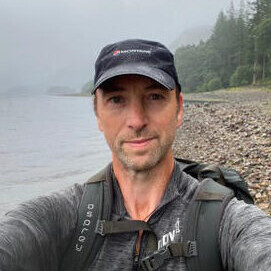
Jason Davis
The Davis Group develops and applies methods for the design, analysis and manipulation of functional molecular interfaces (bioelectronic, biochemical, wires, mechanically interlocked, nanoparticles), often at molecular scales, and are actively engaged in the use and development of state of the art molecular, theranostic and medical imaging technologies.
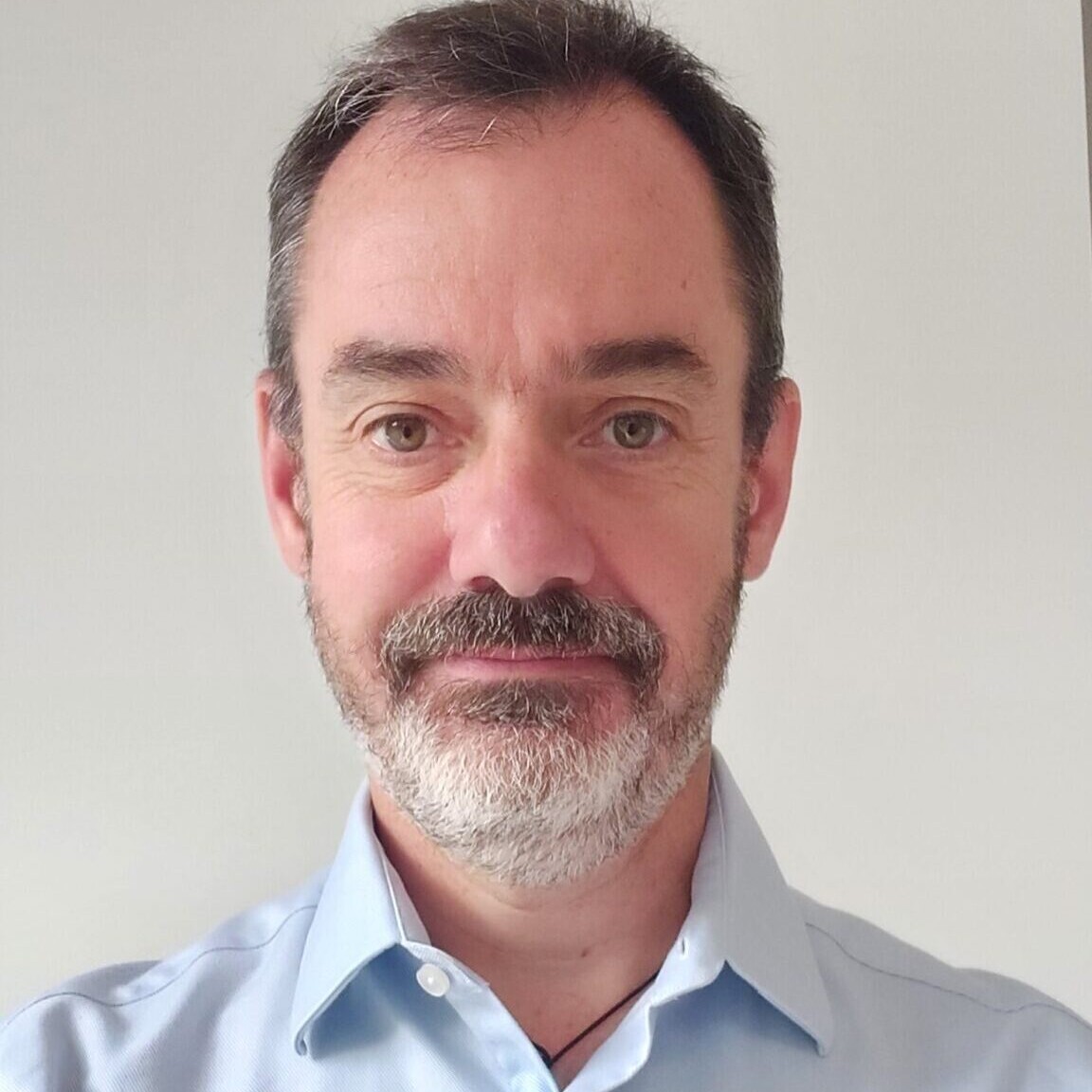
Simon Webb
Simon Webb is currently Professor of Organic Chemistry in the Department of Chemistry at the University of Manchester. His research interests fall mostly in the area of supramolecular chemistry within membranes, which includes the development of synthetic signal transducers and ion channels.
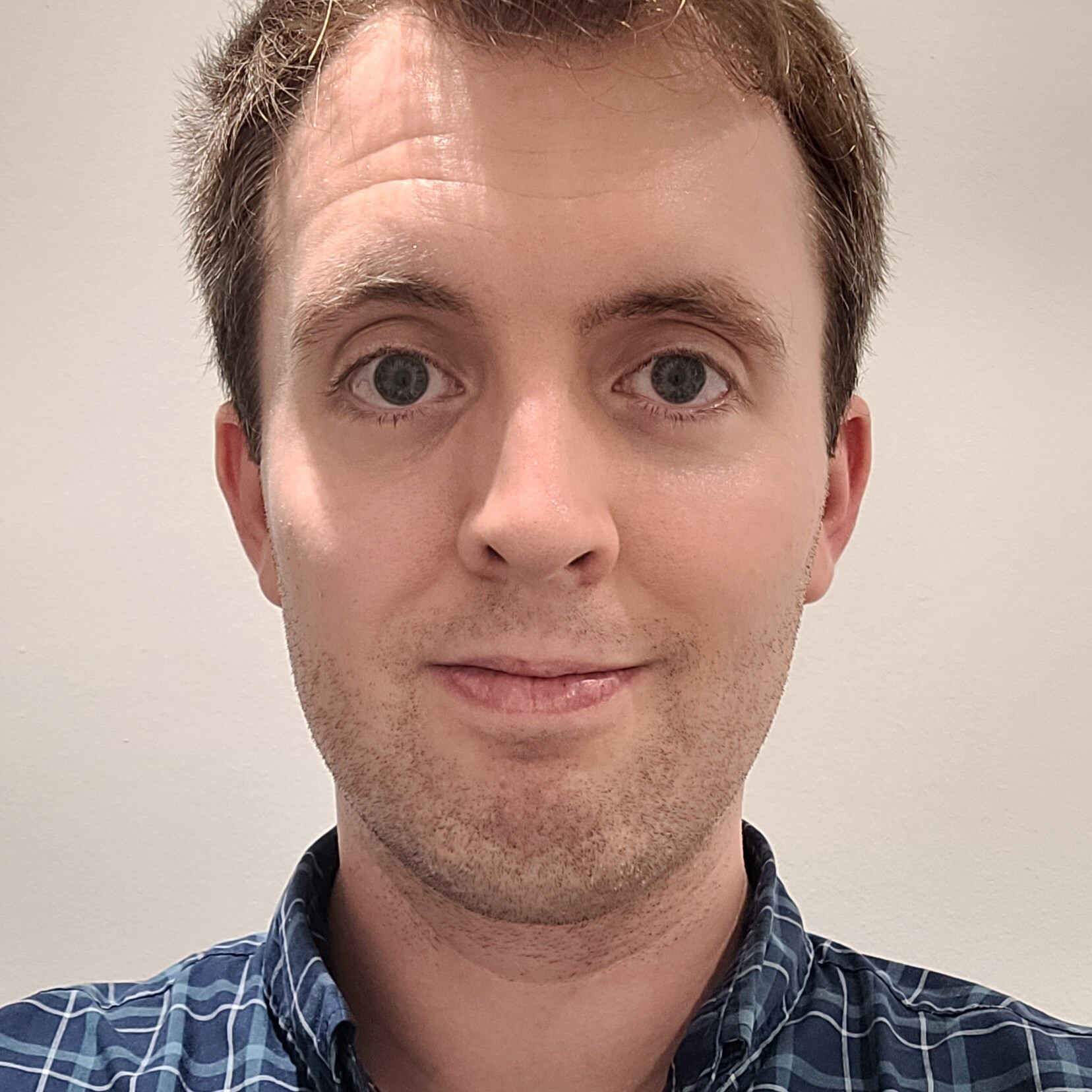
James Hindley
Research in the Hindley group takes a multidisciplinary approach to construct bioinspired nano and microsystems known as synthetic cells. By utilising molecular self-assembly, and interfacing compartments with other (bio)molecules, synthetic cells can be constructed with the ability to mimic the architectures, functions and behaviours of biology.

Chris Coxon
Chris Coxon is a medicinal chemist and chemical biologist at the University of Edinburgh. His research interests are in peptide design, synthesis and the effects and applications of fluorination to control and study peptide and protein folding, recognition and assembly.

Keith Willison
The Willison Group’s research interests cover a range of topics including eukaryotic protein folding and single molecule approaches to protein dynamics and protein counting.
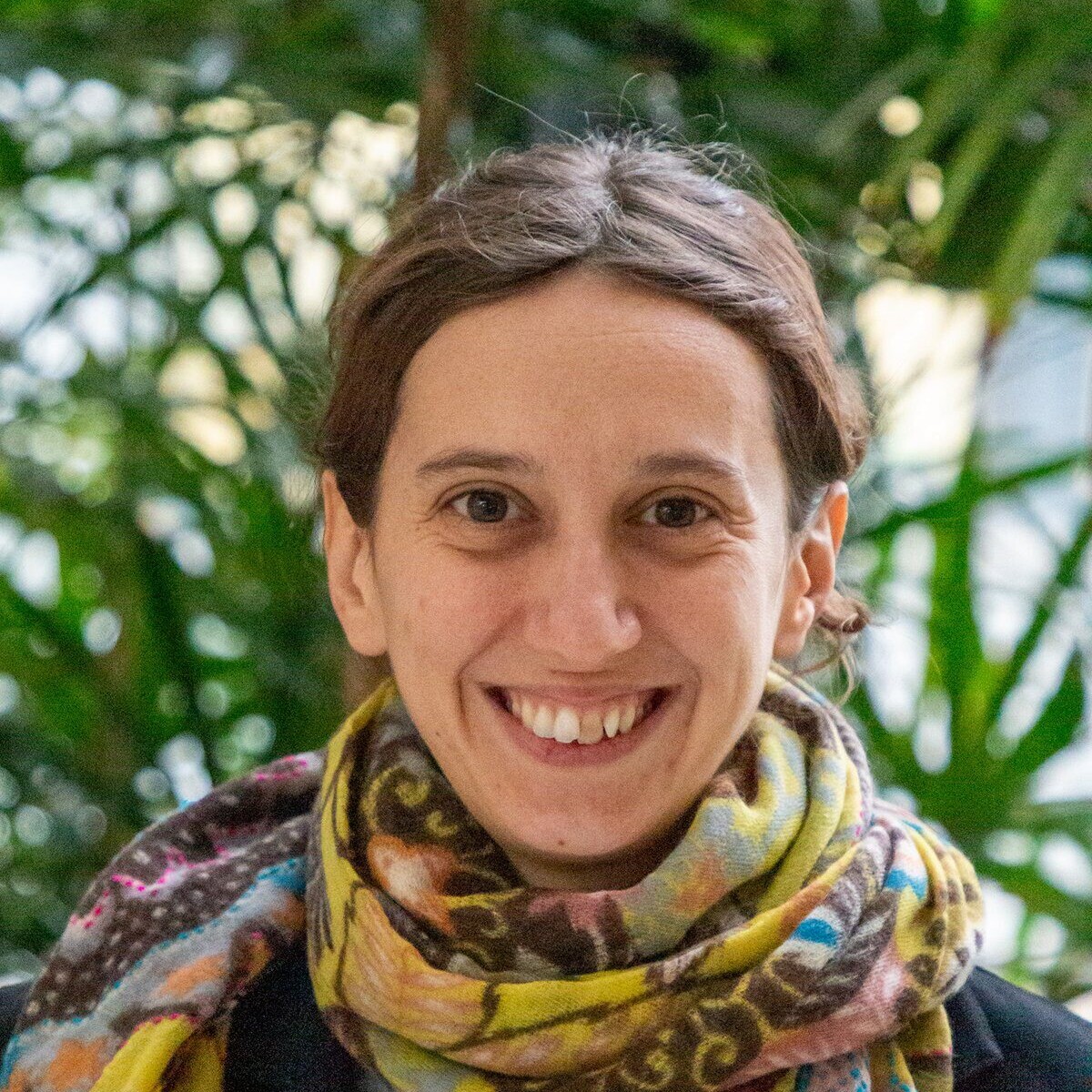
Martina Delbianco
Martina is the Group Leader of the Carbohydrate Materials at the Max Planck Institute for Colloids and Interfaces. Her group synthesizes glycans that fold into defined secondary structures and assemble into programmable supramolecular architectures.