

Alison Edwards
Dr Alison Edwards is the Senior Lecturer in Pharmaceutical Chemistry at the Universities of Greenwich and Kent at Medway.

André Cobb
André is the Director of FoldNetUK and lead investigator of a research group focused on the synthesis and application of new peptidic structures, particularly through the development of new methodologies towards unnatural amino acids.

Andy Wilson
Andy Wilson is a Professor in the School of Chemistry at the University of Birmingham. The Wilson group are interested in the application of synthetic molecules to problems in Chemical Biology and Materials Science. We pursue both curiosity driven fundamental research and mission inspired research addressing societal challenges.
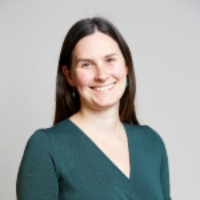
Anna Barnard
Anna is an Associate Professor (Senior Lecturer) in the Department of Chemistry at Imperial. Her research focuses on the development of peptides and small molecules to understand and perturb protein-protein interactions.
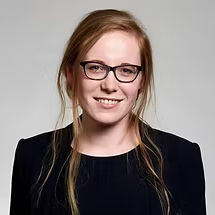
Beatrice Collins
Beatrice is the Early Career Champion for the Network and leads a synthetic chemistry research group in the School of Chemistry at the University of Bristol.

Chris Coxon
Chris Coxon is a medicinal chemist and chemical biologist at the University of Edinburgh. His research interests are in peptide design, synthesis and the effects and applications of fluorination to control and study peptide and protein folding, recognition and assembly.
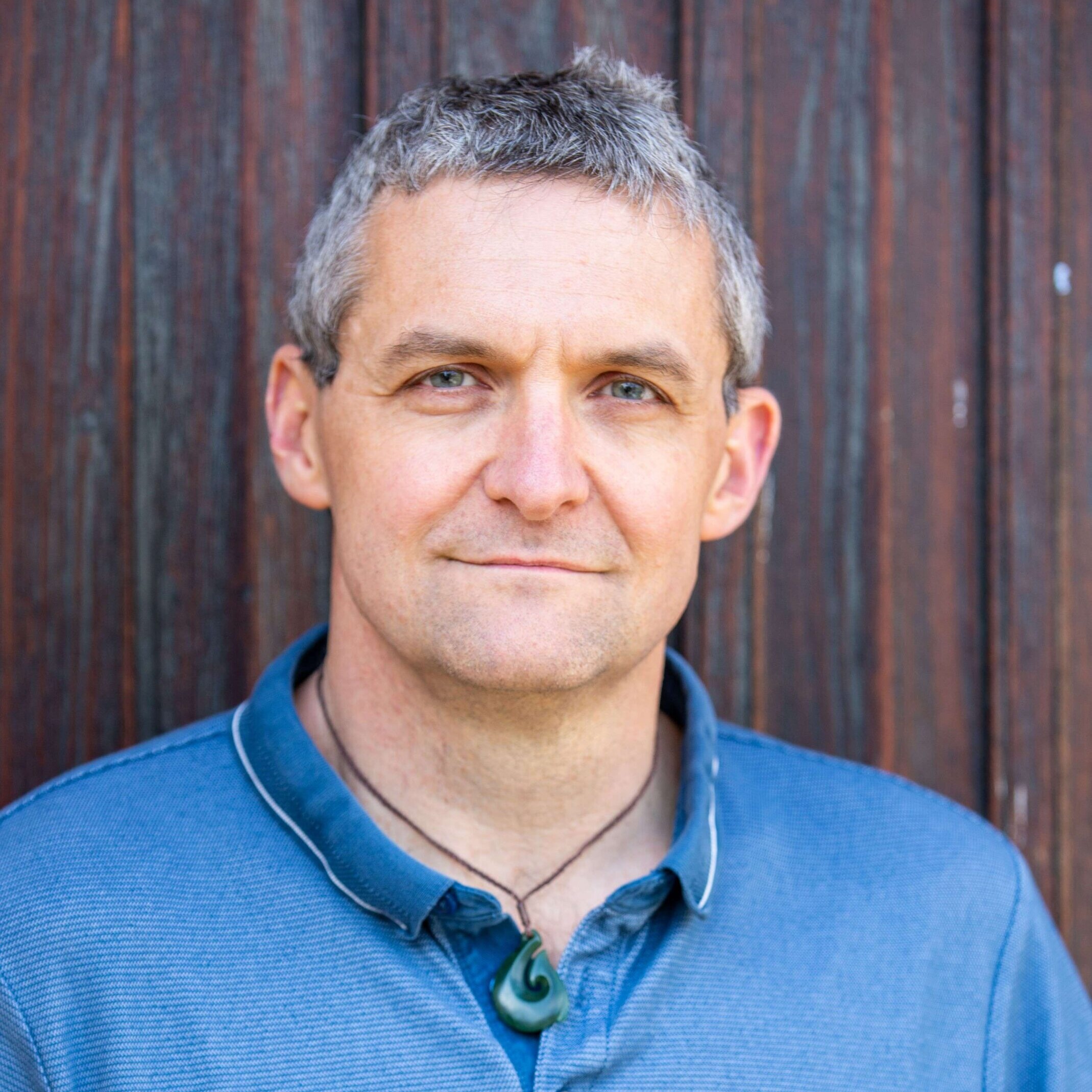
Craig Butts
Professor Craig Butts is the Head of the School of Chemistry and Professor of Structural and Mechanistic Chemistry at the University of Bristol. The Butts Research Group tackles challenges based around organic molecular structure and reaction mechanism, principally using NMR spectroscopy - the most information-rich analytical technique available to chemists.
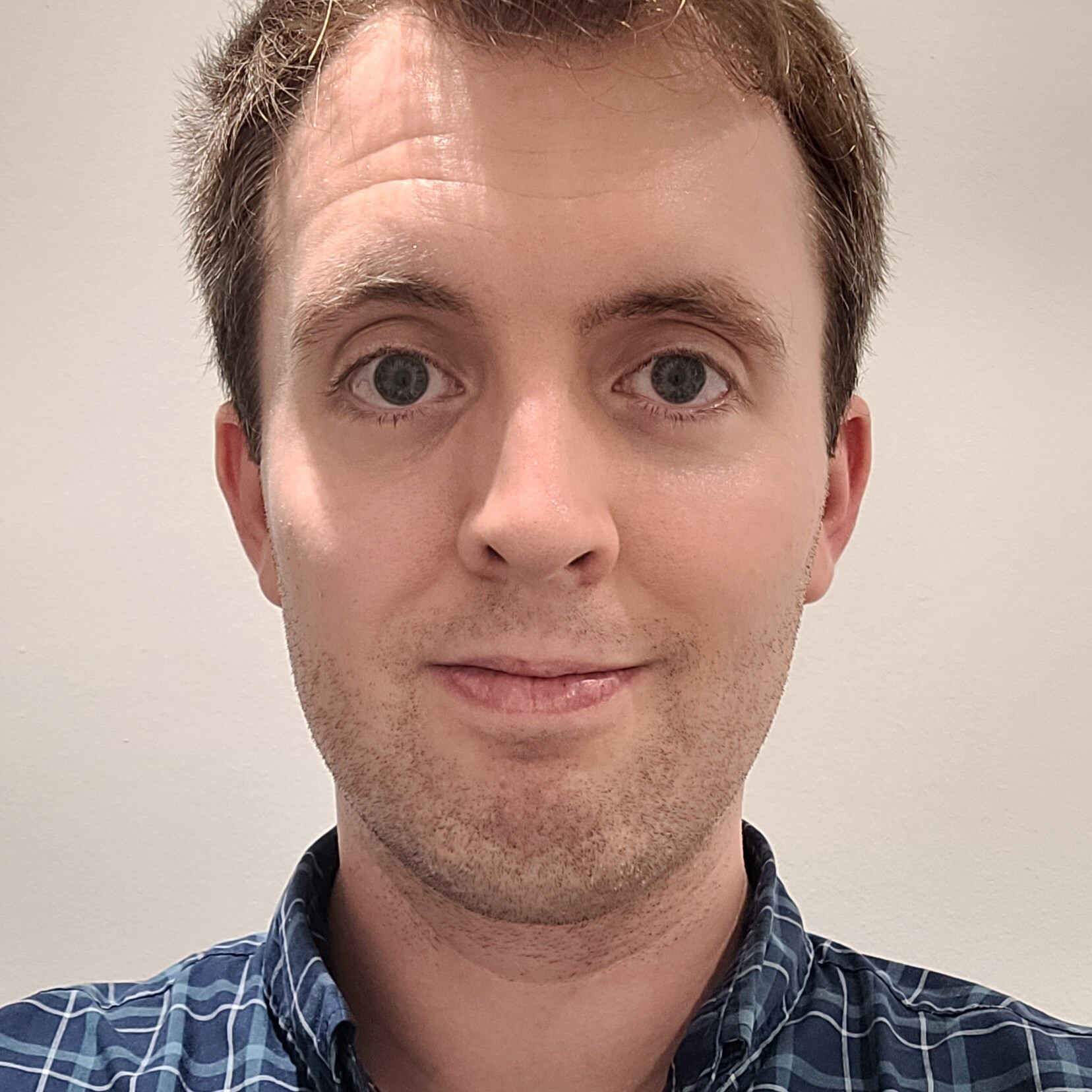
James Hindley
Research in the Hindley group takes a multidisciplinary approach to construct bioinspired nano and microsystems known as synthetic cells. By utilising molecular self-assembly, and interfacing compartments with other (bio)molecules, synthetic cells can be constructed with the ability to mimic the architectures, functions and behaviours of biology.

Jonathan Clayden
Jonathan leads a synthetic chemistry group with expertise in design/applications of amide and urea-based with controlled but dynamic conformational properties.

Lorna Smith
Lorna is a Professor of Chemistry whose research centres around understanding protein folding and misfolding using a combination of experimental and theoretical approaches. In the area of Foldamers her work is particularly concentrated on MD simulations of peptides containing non-proteinogenic amino acids.
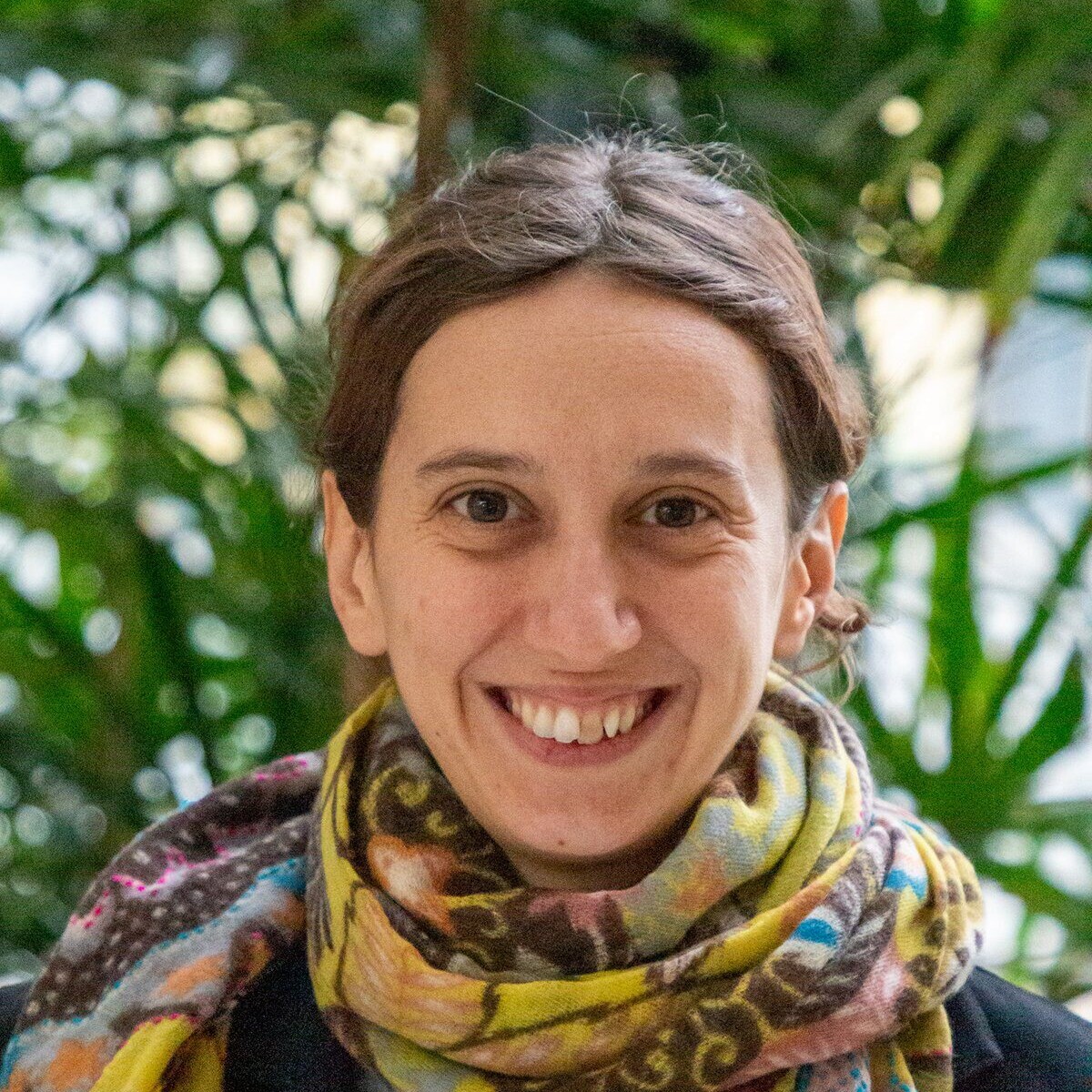
Martina Delbianco
Martina is the Group Leader of the Carbohydrate Materials at the Max Planck Institute for Colloids and Interfaces. Her group synthesizes glycans that fold into defined secondary structures and assemble into programmable supramolecular architectures.
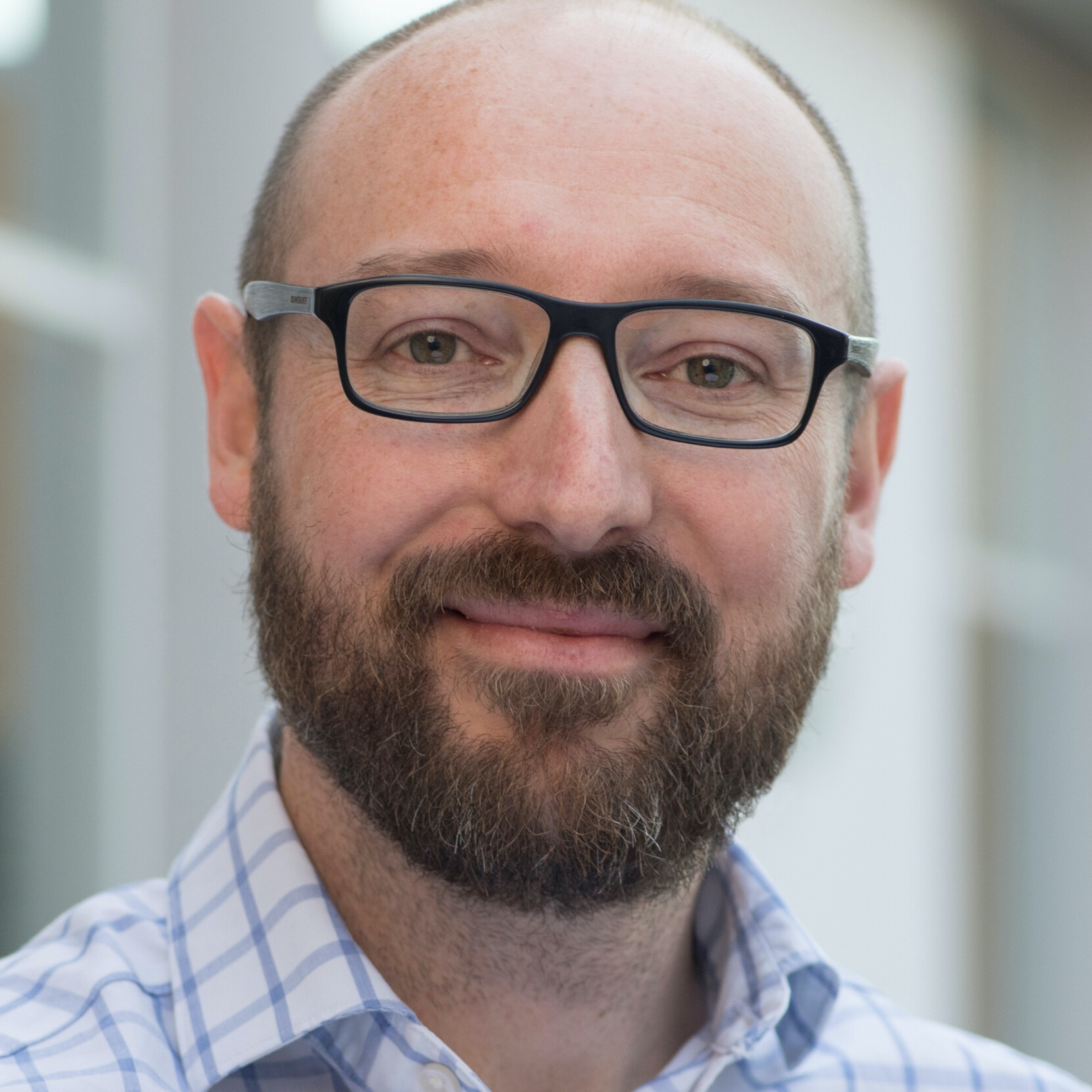
Nicholas Mitchell
Nick's group focuses on the development of new bioconjugation methodologies. Current projects include the exploration of photocatalytic, biocatalytic, and electrochemical methods for the site-selective modification of peptides and proteins.

Peter Knipe
Peter is a synthetic organic chemist with a group focused on developing synthetic methodologies, and developing new foldamer motifs. The Knipe Group are particularly interested in precise control of conformation by non-covalent interactions, stereoelectronic effects and monomer structure.
Join the UK Foldamer Network
To engage with all the exciting opportunities and events this network has to offer, please register now. It’s quick and easy.