
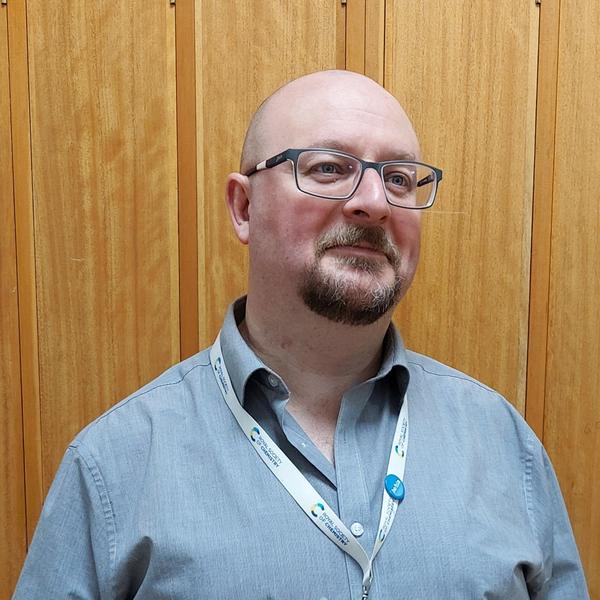
Nick Turner
Professor Turner's interests lie in the field of molecular recognition, and in particular the development of artificial recognition elements. Molecularly Imprinted Polymers (MIP) are a simple elegant biomimetic technology where recognition sites, analogous to the binding sites of antibodies, enzymes and receptors are created in polymeric materials containing complementary functionality to a target molecule. After preparation cavities that are complementary to the shape and chemical profile of the target are formed allowing specific recognition and rebinding.
MIPs represent a generic, versatile, scalable and cost-effective approach to the creation of synthetic molecular receptors; and are rapidly becoming commercially relevant.
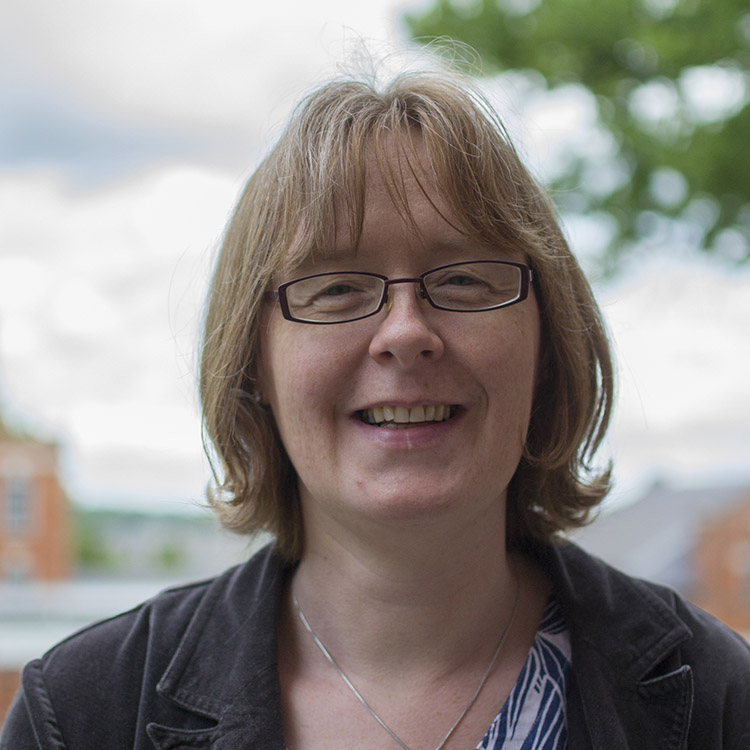
Alison Edwards
Dr Alison Edwards is the Senior Lecturer in Pharmaceutical Chemistry at the Universities of Greenwich and Kent at Medway.
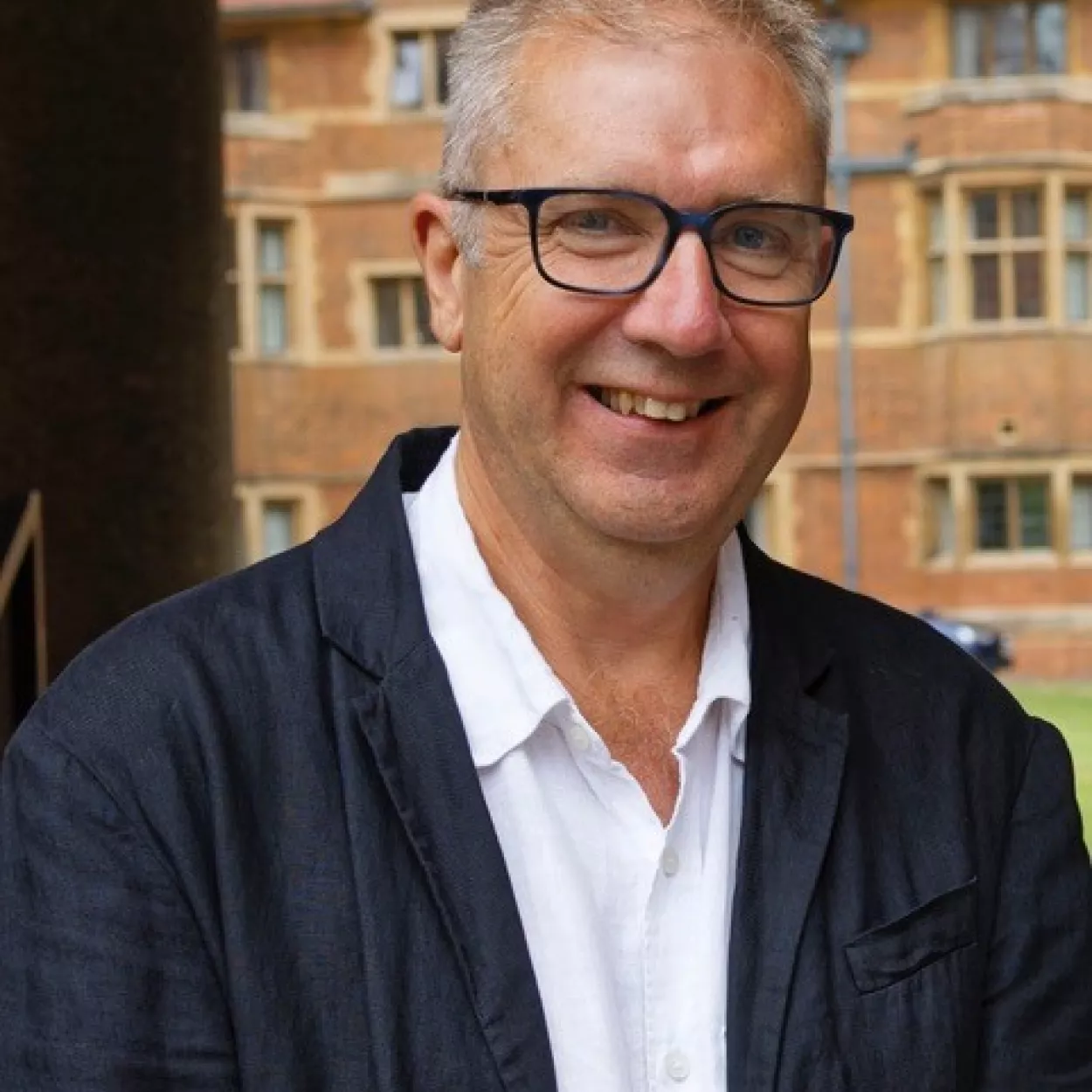
Christopher A Hunter
Professor Christopher A Hunter FRS is the Herchel Smith Professor of Organic Chemistry at the University of Cambridge and Fellow of Emmanuel College. He is also a Fellow of the Royal Society and an Honorary Member of the Royal Irish Academy.

Harry Anderson
Harry Anderson has led an independent research group at the University of Oxford since 1995. His research topics include porphyrin-based molecular wires, cyclodextrin polyrotaxanes, insulated molecular wires, encapsulated π-systems, template-directed synthesis, multivalent cooperativity, nanorings, polyynes, new carbon allotropes and functional dyes.

Andrew Marsh
Dr Andrew Marsh has been making molecules for applications in supramolecular and biological systems since the last century. His current research interests include applications of guanosine quartets for delivery of potential therapeutics, inhibitors of RNA viruses and associated problems in medicinal chemistry.
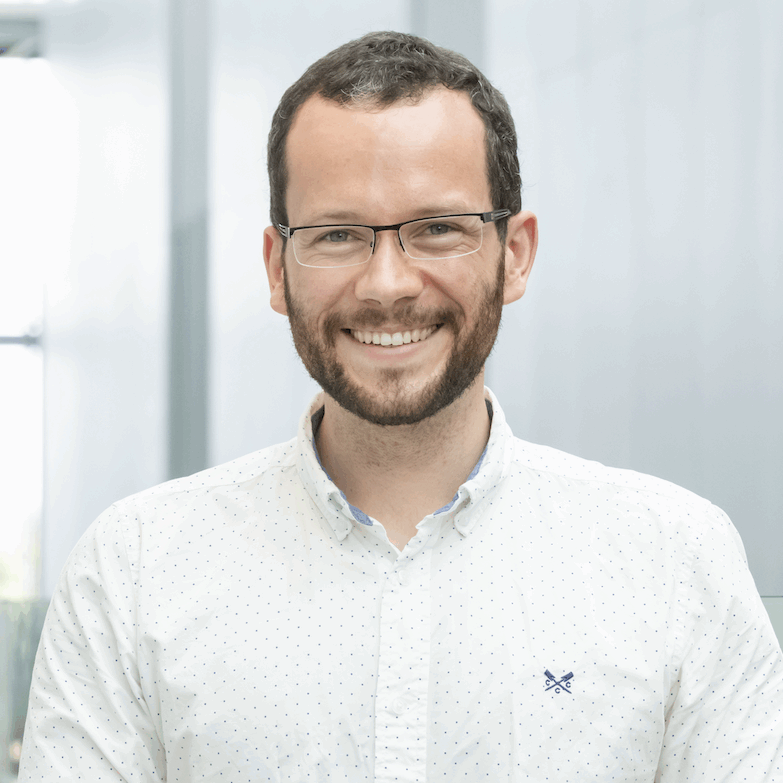
Charlie McTernan
Charlie McTernan is a Group Leader in the Physical Sciences at the Francis Crick Institute in London, and a Senior Lecturer at the Department of Chemistry at King's College London. He is a Supramolecular Chemist, investigating how Artificial Molecular Machines and Metal-Organic Capsules can be applied in Biomedical Science.
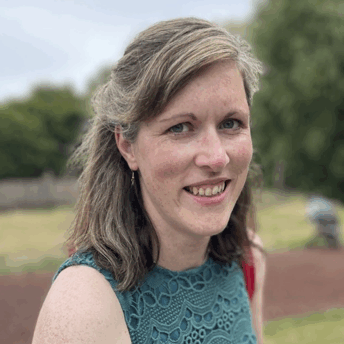
Imogen Riddell
Imogen is a Royal Society University Research Fellow at the University of Manchester. She completed her undergraduate degree at the University of Strathclyde in Glasgow, and then moved to the University of Cambridge where she completed a PhD in the Nitschke group developing novel self-assembling architectures for a variety of applications.
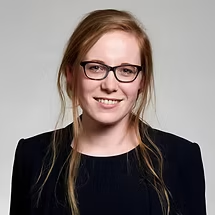
Beatrice Collins
Beatrice is the Early Career Champion for the Network and leads a synthetic chemistry research group in the School of Chemistry at the University of Bristol.
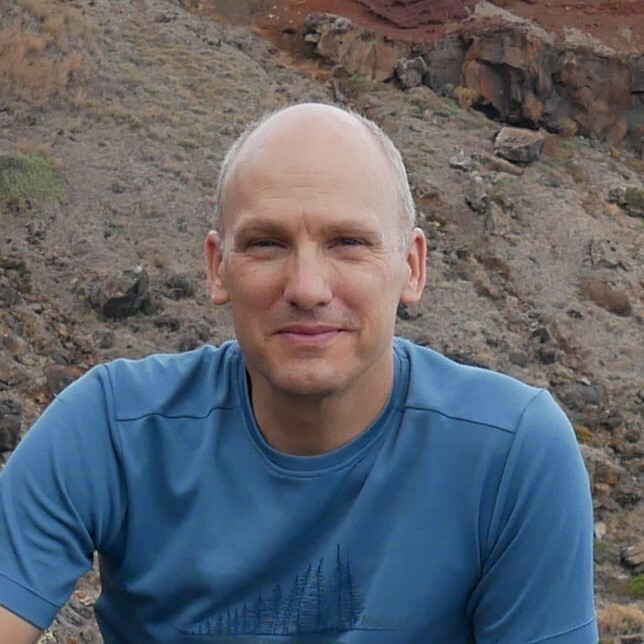
Jonathan Nitschke
The Nitschke Group use chemical self-assembly to create complex structures with targeted functions from simple building blocks. Our work deals with the preparation of complex structures using a process we refer to as subcomponent self-assembly.

Sarah Pike
Sarah is the lead of a synthetic supramolecular group based in the School of Chemistry at the University of Birmingham. Their research focuses on the development of new responsive supramolecular systems.