

Sam Thompson
Thompson Group research focuses on structure guided rational design to synthesise molecules that address problems in biology, medicine and materials. The research programme includes:
Protein-protein interaction inhibition
Tools to interrogate protein misfolding conditions
Abiotic foldamers: programmable 3D architectures
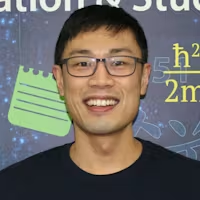
Louis Luk
The Luk Group, based at the University of Cardiff, aims to empower protein science and its applications, through (a) Protein labelling via biocatalysts, (b) Discovery of Peptide Binders, and (c) Enzyme catalysed bifunctional ligand synthesis.

Ian Hamley
Professor Ian Hamley is Diamond Professor of Physical Chemistry in the Department of Chemistry at the University of Reading.

Alison Edwards
Dr Alison Edwards is the Senior Lecturer in Pharmaceutical Chemistry at the Universities of Greenwich and Kent at Medway.

Anna Barnard
Anna is an Associate Professor (Senior Lecturer) in the Department of Chemistry at Imperial. Her research focuses on the development of peptides and small molecules to understand and perturb protein-protein interactions.

Glenn Burley
Glenn A. Burley is Professor of Chemical Biology at the University of Strathclyde. He was awarded a Bachelor of Medicinal Chemistry (Hon. I) and a PhD in Organic Chemistry from the University of Wollongong, Australia.
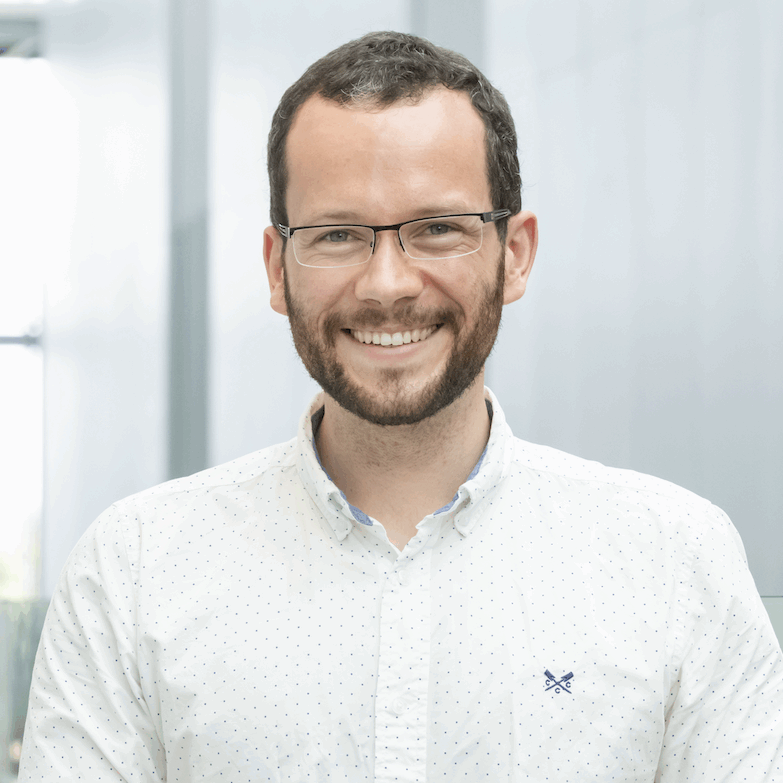
Charlie McTernan
Charlie McTernan is a Group Leader in the Physical Sciences at the Francis Crick Institute in London, and a Senior Lecturer at the Department of Chemistry at King's College London. He is a Supramolecular Chemist, investigating how Artificial Molecular Machines and Metal-Organic Capsules can be applied in Biomedical Science.
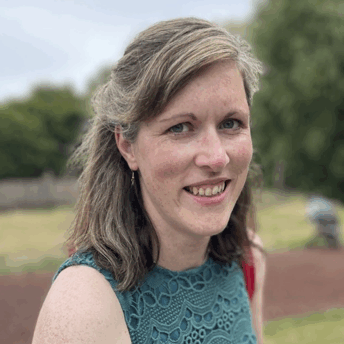
Imogen Riddell
Imogen is a Royal Society University Research Fellow at the University of Manchester. She completed her undergraduate degree at the University of Strathclyde in Glasgow, and then moved to the University of Cambridge where she completed a PhD in the Nitschke group developing novel self-assembling architectures for a variety of applications.
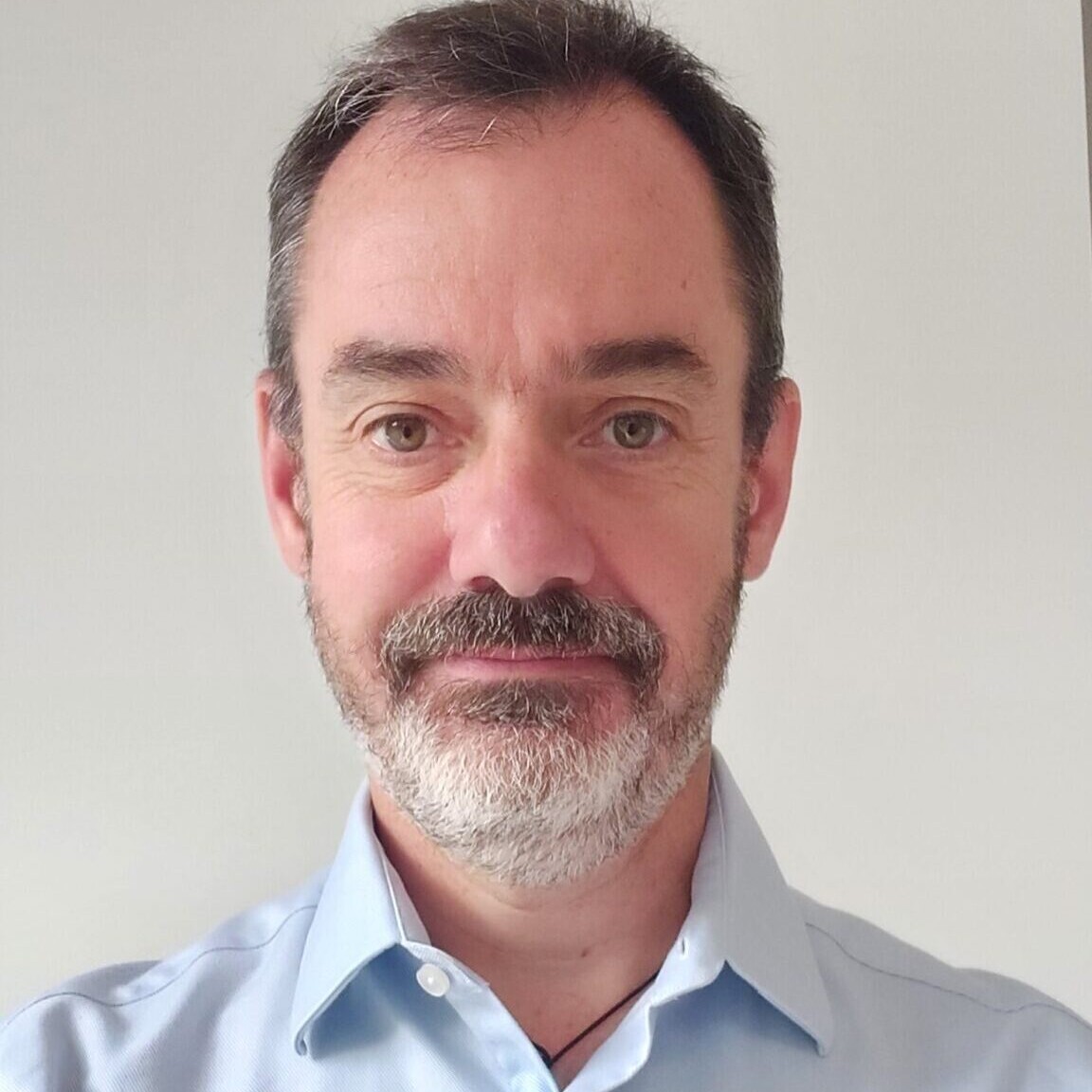
Simon Webb
Simon Webb is currently Professor of Organic Chemistry in the Department of Chemistry at the University of Manchester. His research interests fall mostly in the area of supramolecular chemistry within membranes, which includes the development of synthetic signal transducers and ion channels.
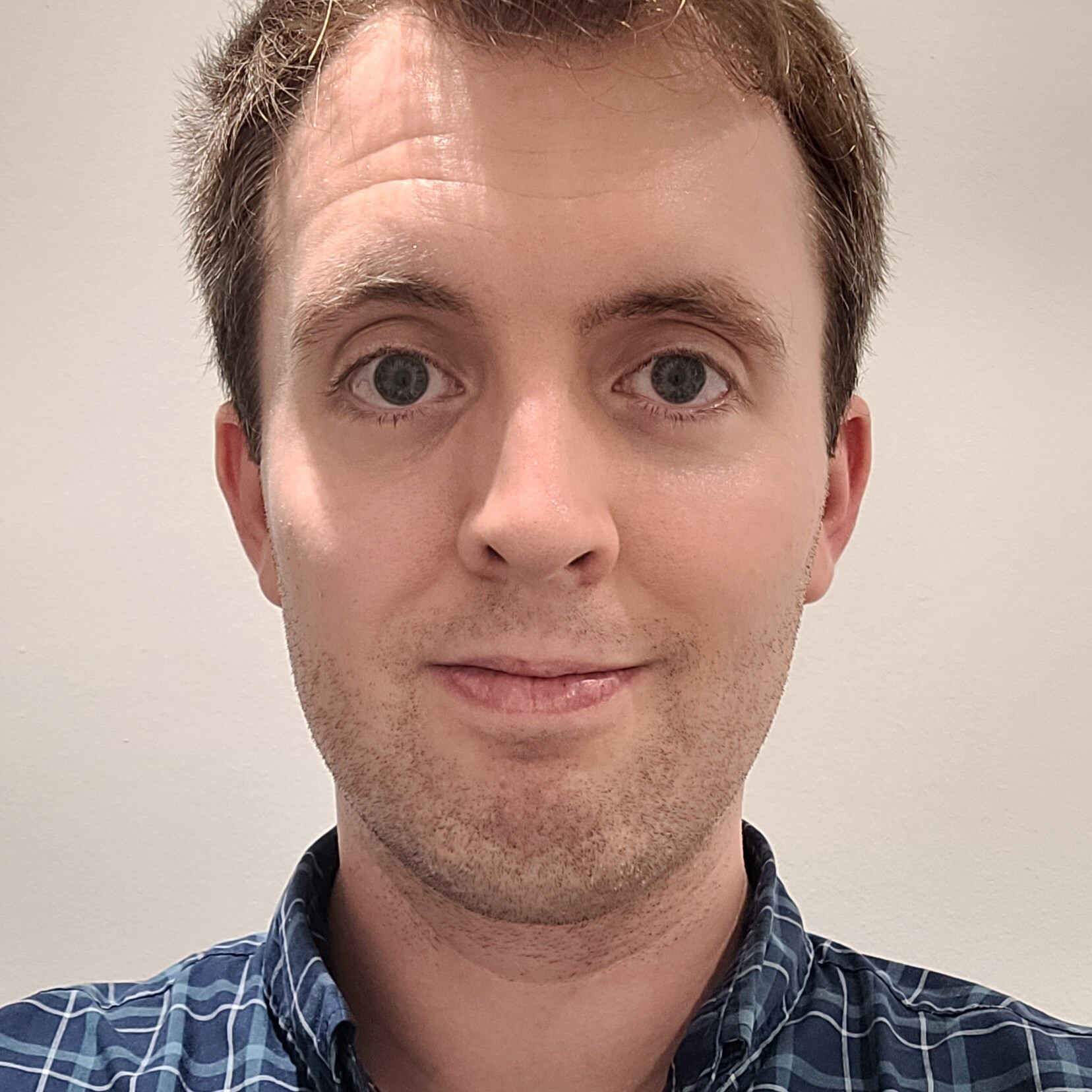
James Hindley
Research in the Hindley group takes a multidisciplinary approach to construct bioinspired nano and microsystems known as synthetic cells. By utilising molecular self-assembly, and interfacing compartments with other (bio)molecules, synthetic cells can be constructed with the ability to mimic the architectures, functions and behaviours of biology.