
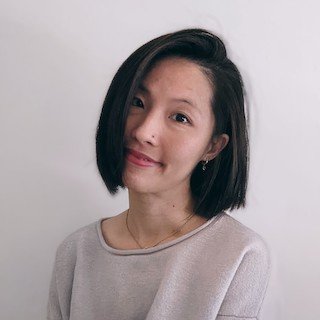
Shiao Chow
Since October 2022, Shiao is Chancellor’s Fellow in the Department of Pure and Applied Chemistry at the University of Strathclyde. Her independent research aims to create next generation peptidomimetics armed with the ability to perform bioorthogonal catalysis.
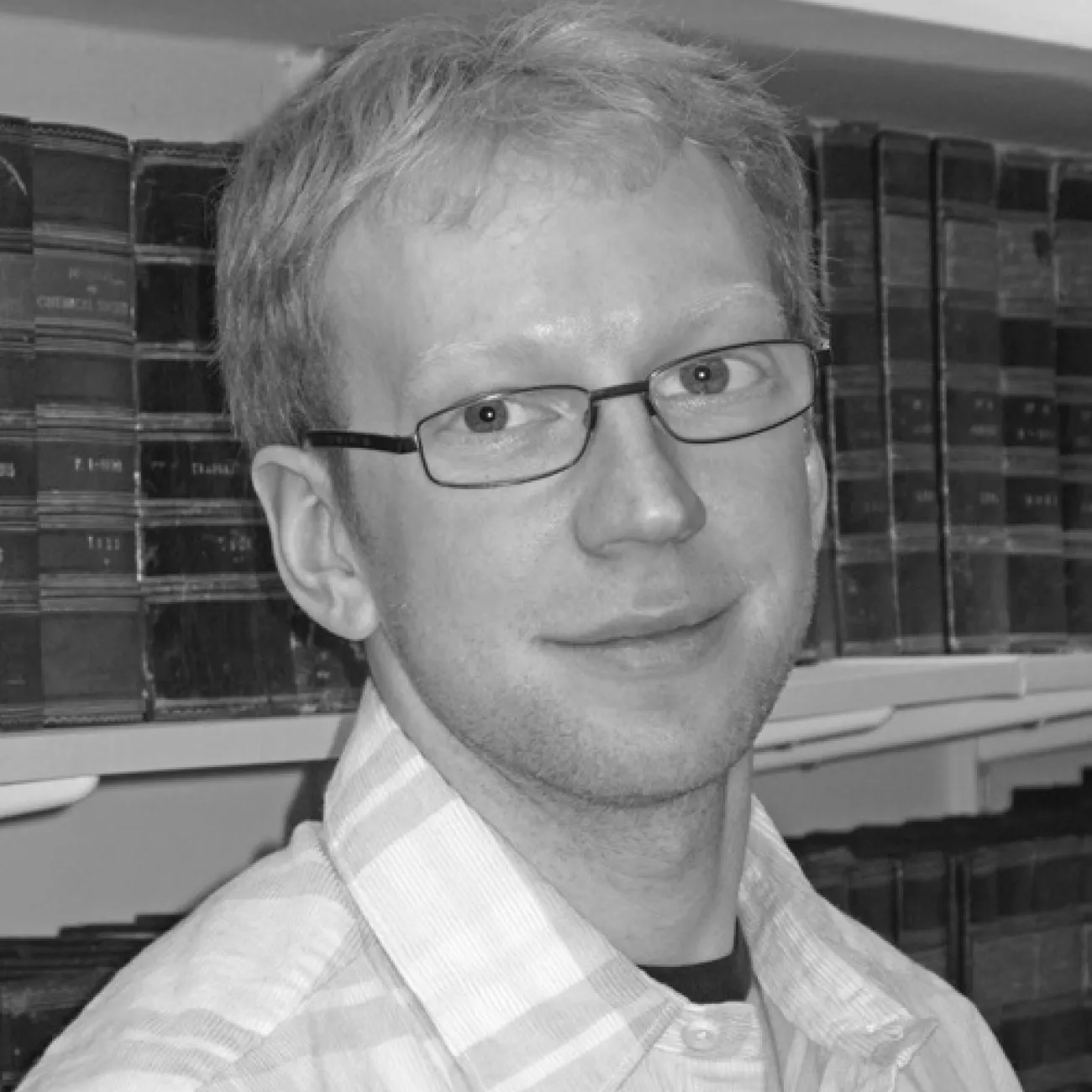
Sam Thompson
Thompson Group research focuses on structure guided rational design to synthesise molecules that address problems in biology, medicine and materials. The research programme includes:
Protein-protein interaction inhibition
Tools to interrogate protein misfolding conditions
Abiotic foldamers: programmable 3D architectures
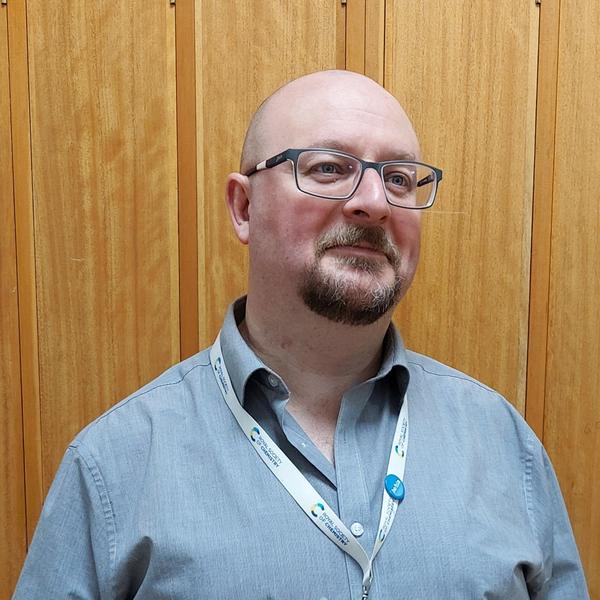
Nick Turner
Professor Turner's interests lie in the field of molecular recognition, and in particular the development of artificial recognition elements. Molecularly Imprinted Polymers (MIP) are a simple elegant biomimetic technology where recognition sites, analogous to the binding sites of antibodies, enzymes and receptors are created in polymeric materials containing complementary functionality to a target molecule.
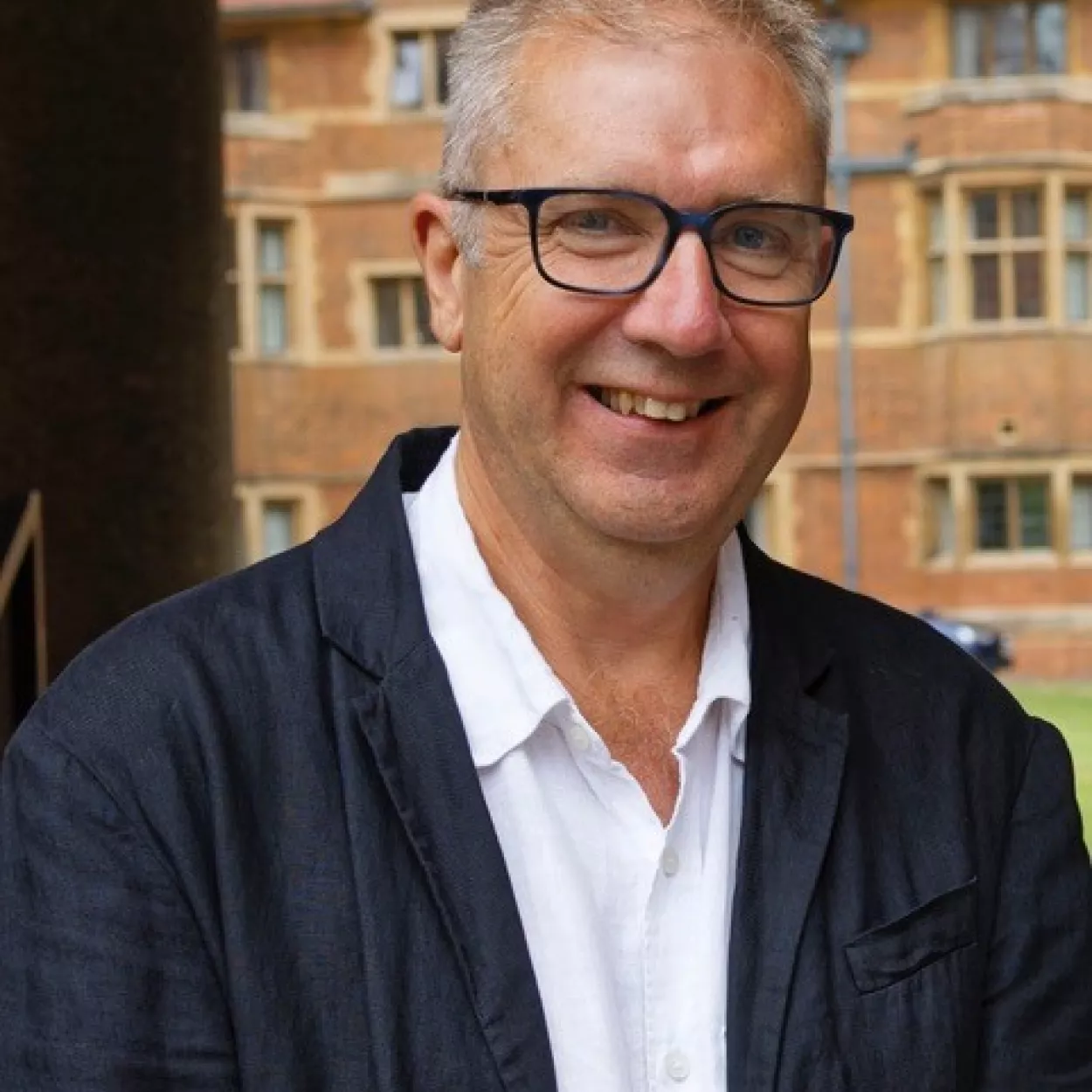
Christopher A Hunter
Professor Christopher A Hunter FRS is the Herchel Smith Professor of Organic Chemistry at the University of Cambridge and Fellow of Emmanuel College. He is also a Fellow of the Royal Society and an Honorary Member of the Royal Irish Academy.
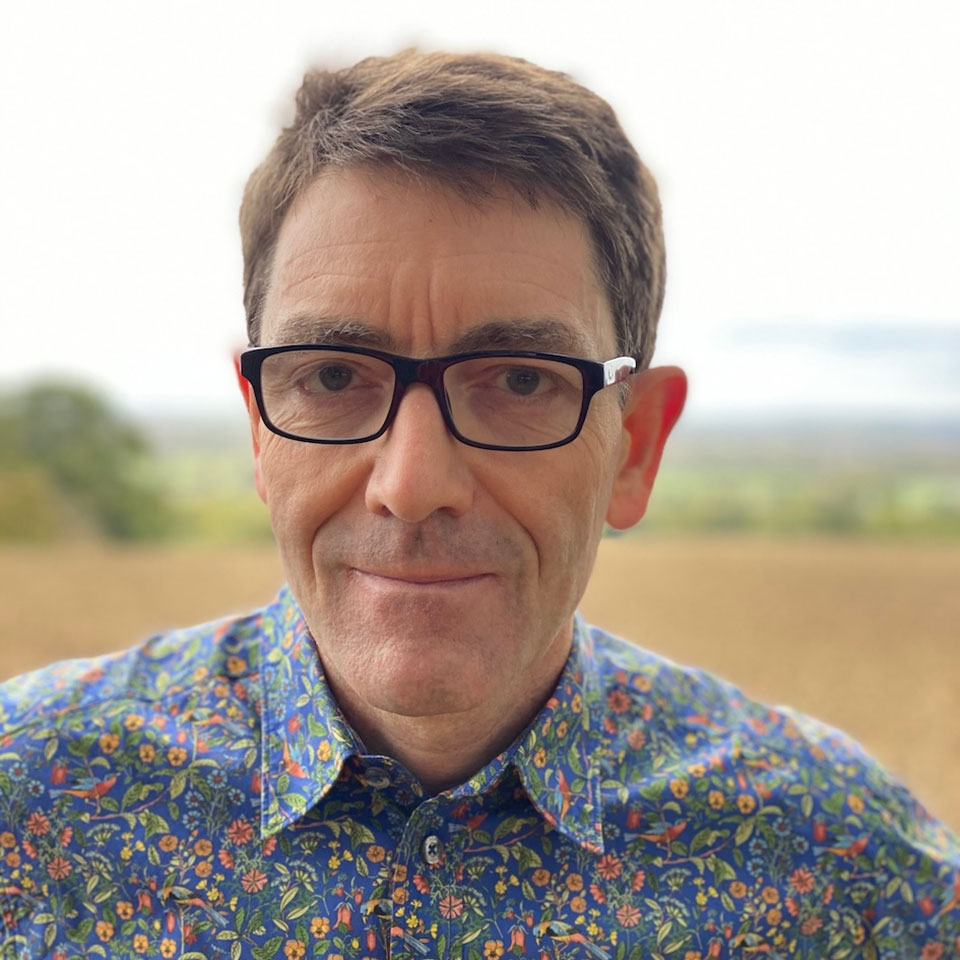
Harry Anderson
Harry Anderson has led an independent research group at the University of Oxford since 1995. His research topics include porphyrin-based molecular wires, cyclodextrin polyrotaxanes, insulated molecular wires, encapsulated π-systems, template-directed synthesis, multivalent cooperativity, nanorings, polyynes, new carbon allotropes and functional dyes.
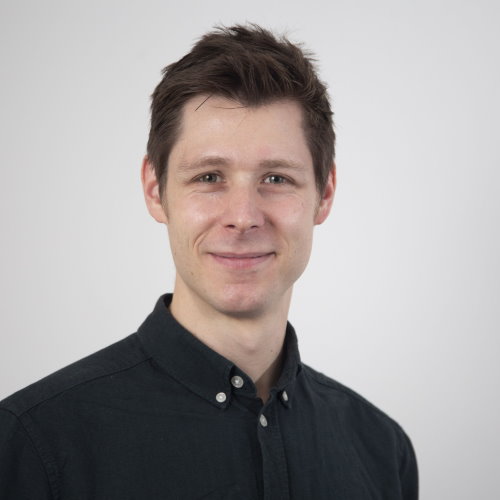
Jamie Lewis
Jamie Lewis is a Royal Society University Research Fellow and Associate Professor in Supramolecular Chemistry at the University of Birmingham. His group's research interests are broadly in the design and synthesis of functional supramolecular molecules and materials, including organic and metal-organic cages, coordination polymers, and mechanically interlocked molecules.
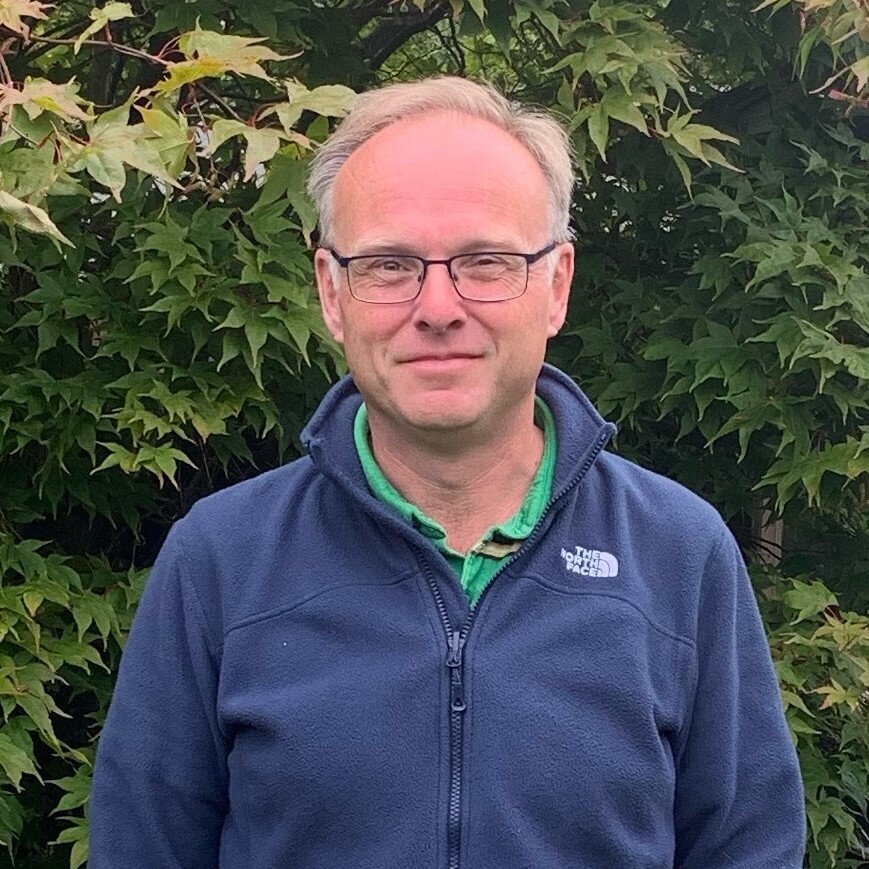
Paul Lusby
The Lusby group has established itself as pioneers in the field of application-led supramolecular chemistry, developing methods in catalysis, biomedicine and magnetism. Professor Paul Lusby started his independent academic career as a Royal Society URF at the University of Edinburgh, where he now holds a personal chair in supramolecular chemistry.
Jason Davis
The Davis Group develops and applies methods for the design, analysis and manipulation of functional molecular interfaces (bioelectronic, biochemical, wires, mechanically interlocked, nanoparticles), often at molecular scales, and are actively engaged in the use and development of state of the art molecular, theranostic and medical imaging technologies.
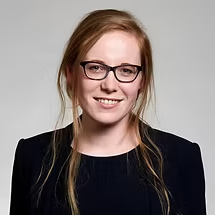
Beatrice Collins
Beatrice is the Early Career Champion for the Network and leads a synthetic chemistry research group in the School of Chemistry at the University of Bristol. Beatrice's research is focused on the design and development of autonomously operating molecular motors.

Chris Coxon
Chris Coxon is a medicinal chemist and chemical biologist at the University of Edinburgh. His research interests are in peptide design, synthesis and the effects and applications of fluorination to control and study peptide and protein folding, recognition and assembly.