
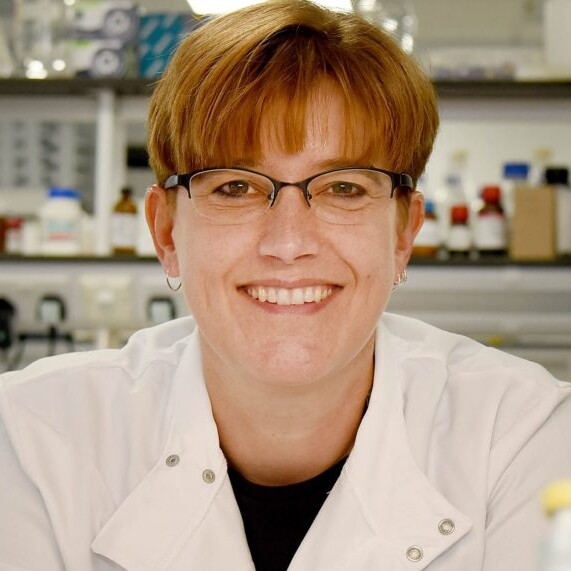
Geertje Van Keulen
Dr Geertje van Keulen is Associate Professor in Microbial Biochemistry in the Institute of Life Science in the Medical School at Swansea University. She assembles and leads interdisciplinary research and innovation teams with microbiology at its core, expanding understanding of and sustainably exploiting the chemical and materials properties of microbes and amyloid proteins in living, manufactured and natural (soil) environments.
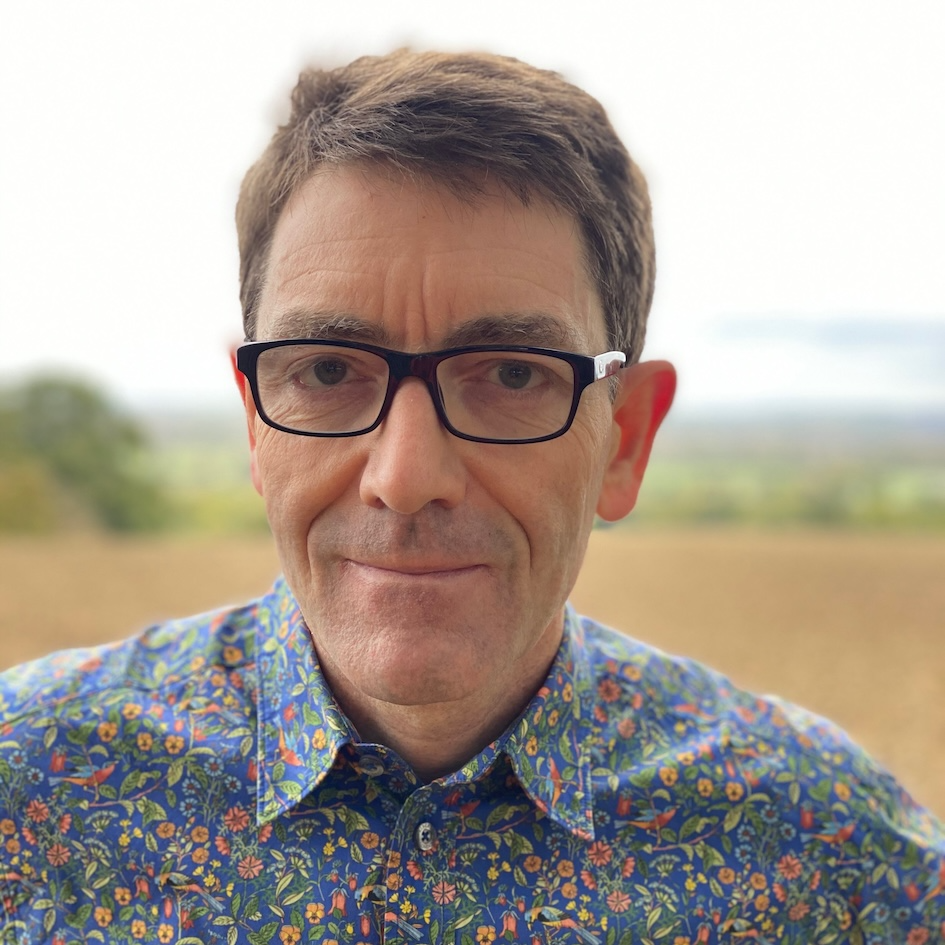
Harry Anderson
Harry Anderson has led an independent research group at the University of Oxford since 1995. His research topics include porphyrin-based molecular wires, cyclodextrin polyrotaxanes, insulated molecular wires, encapsulated π-systems, template-directed synthesis, multivalent cooperativity, nanorings, polyynes, new carbon allotropes and functional dyes.
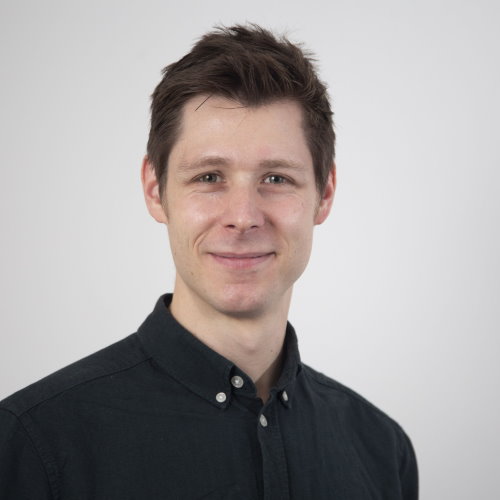
Jamie Lewis
Jamie Lewis is a Royal Society University Research Fellow and Associate Professor in Supramolecular Chemistry at the University of Birmingham. His group's research interests are broadly in the design and synthesis of functional supramolecular molecules and materials, including organic and metal-organic cages, coordination polymers, and mechanically interlocked molecules.
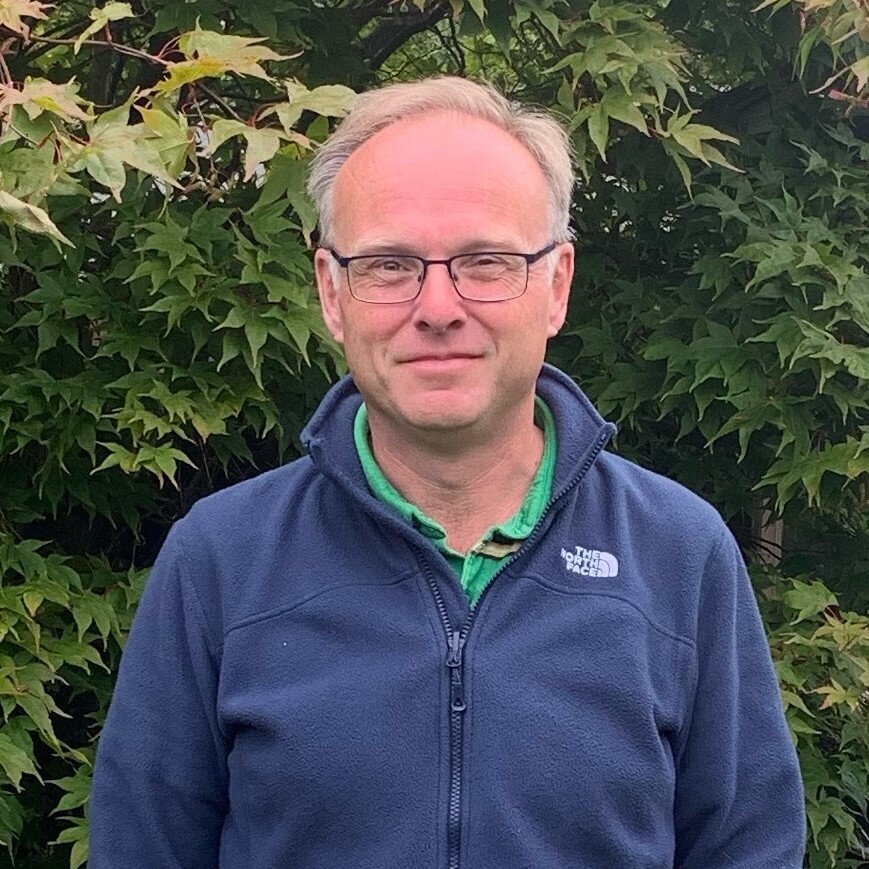
Paul Lusby
The Lusby group has established itself as pioneers in the field of application-led supramolecular chemistry, developing methods in catalysis, biomedicine and magnetism. Professor Paul Lusby started his independent academic career as a Royal Society URF at the University of Edinburgh, where he now holds a personal chair in supramolecular chemistry.
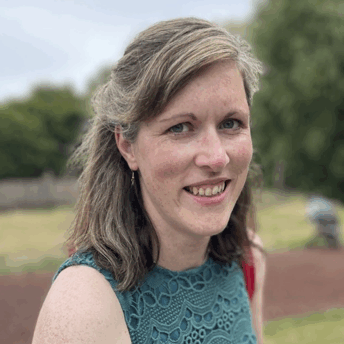
Imogen Riddell
Imogen is a Royal Society University Research Fellow at the University of Manchester. She completed her undergraduate degree at the University of Strathclyde in Glasgow, and then moved to the University of Cambridge where she completed a PhD in the Nitschke group developing novel self-assembling architectures for a variety of applications.
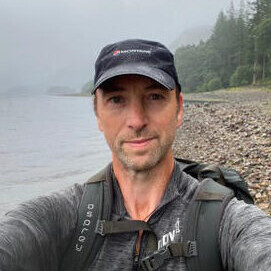
Jason Davis
The Davis Group develops and applies methods for the design, analysis and manipulation of functional molecular interfaces (bioelectronic, biochemical, wires, mechanically interlocked, nanoparticles), often at molecular scales, and are actively engaged in the use and development of state of the art molecular, theranostic and medical imaging technologies.
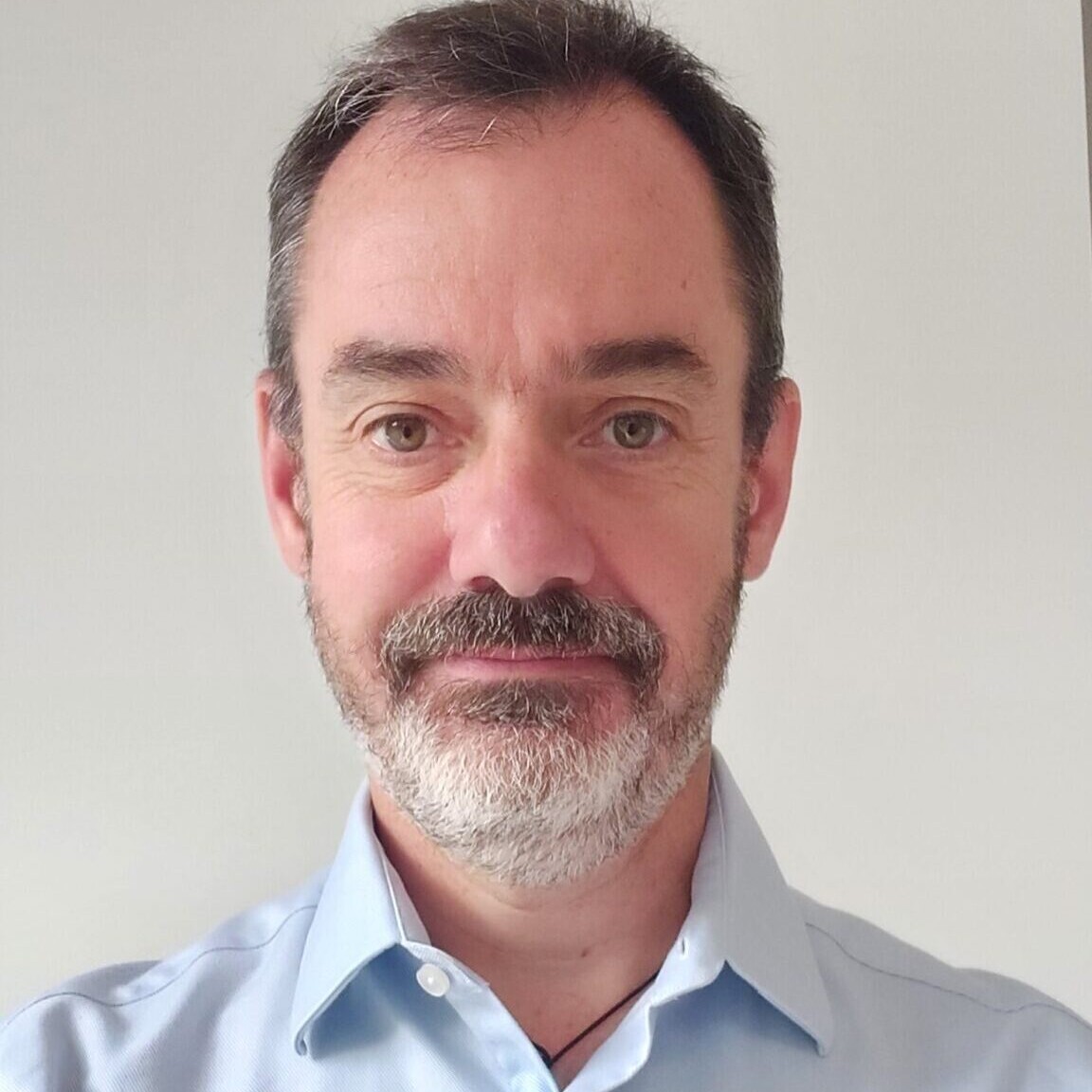
Simon Webb
Simon Webb is currently Professor of Organic Chemistry in the Department of Chemistry at the University of Manchester. His research interests fall mostly in the area of supramolecular chemistry within membranes, which includes the development of synthetic signal transducers and ion channels.
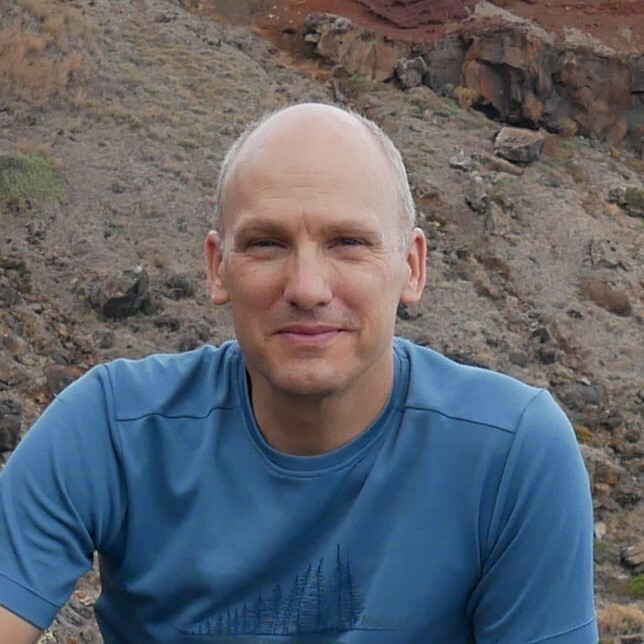
Jonathan Nitschke
The Nitschke Group use chemical self-assembly to create complex structures with targeted functions from simple building blocks. Our work deals with the preparation of complex structures using a process we refer to as subcomponent self-assembly.