
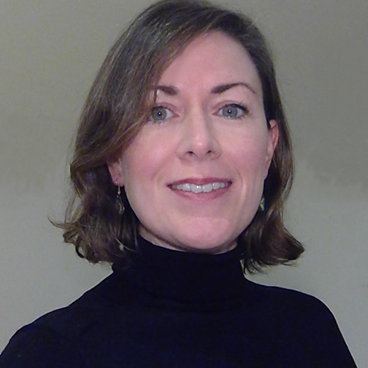
Sarah Barry
Sarah runs an interdisciplinary research group that aims to understand and exploit microbial biochemical pathways, towards sustainable synthesis of complex molecules via biocatalysis and to develop new antibiotics to tackle antimicrobial resistance.
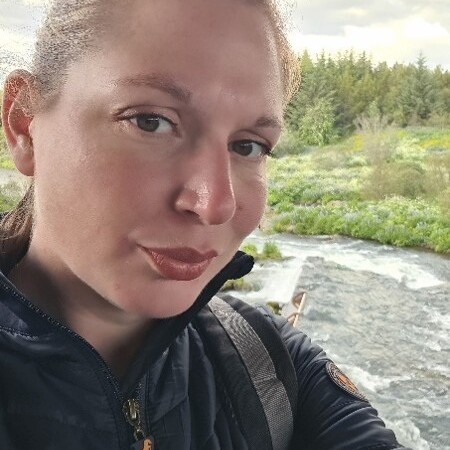
Jennifer Hiscock
Jennifer Hiscock is a Professor of Supramolecular Chemistry (2022) and UKRI Future Leaders Research Fellow in the School of Natural Sciences at the University of Kent (UK). She studied for a PhD in the group of Prof. Phil Gale at the University of Southampton and carried out postdoctoral research in the same group until 2015. Following this she moved to the University of Kent as the Caldin Research Fellow in 2015, she was appointed Lecturer in Chemistry in 2016 and Reader in Supramolecular Chemistry in 2019. Her current research interests focus on the development of her patented Talin Shock Absorbing Material (TSAM) and Supramolecular Self-associating Amphiphile (SSA) technologies for real world applications.
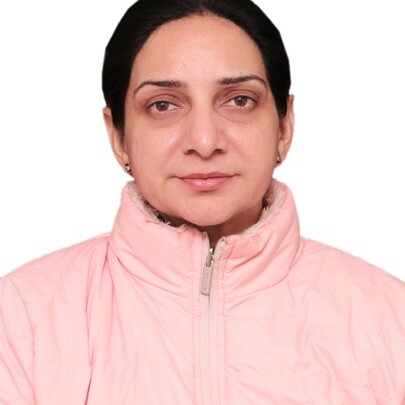
Anupreet Kaur
Dr Kaur is a dedicated and research-oriented Assistant Professor with over 14 years of experience in teaching and advanced research in chemistry. Expertise in nanomaterials, environmental remediation, and analytical techniques. Proven track record in publications, patents, and academic contributions with strong interest in innovative materials and foldamer-based systems.
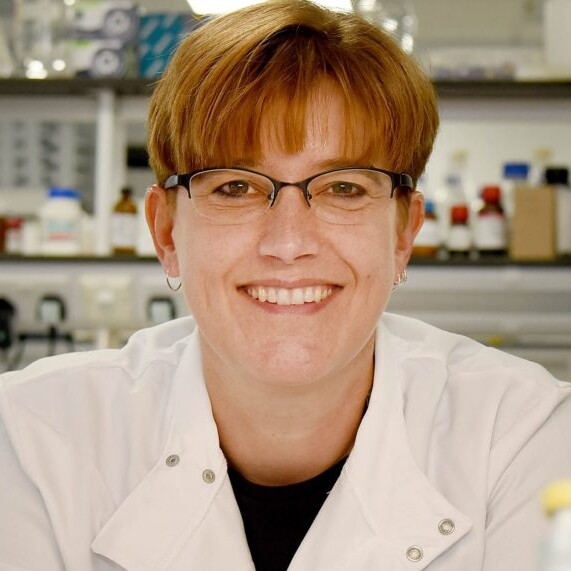
Geertje Van Keulen
Dr Geertje van Keulen is Associate Professor in Microbial Biochemistry in the Institute of Life Science in the Medical School at Swansea University. She assembles and leads interdisciplinary research and innovation teams with microbiology at its core, expanding understanding of and sustainably exploiting the chemical and materials properties of microbes and amyloid proteins in living, manufactured and natural (soil) environments.

Edina Rosta
Edina Rosta is a Professor of Molecular Modelling in the Condensed Matter & Materials Physics group of the Department of Physics and Astronomy at University College London.
James Hindley
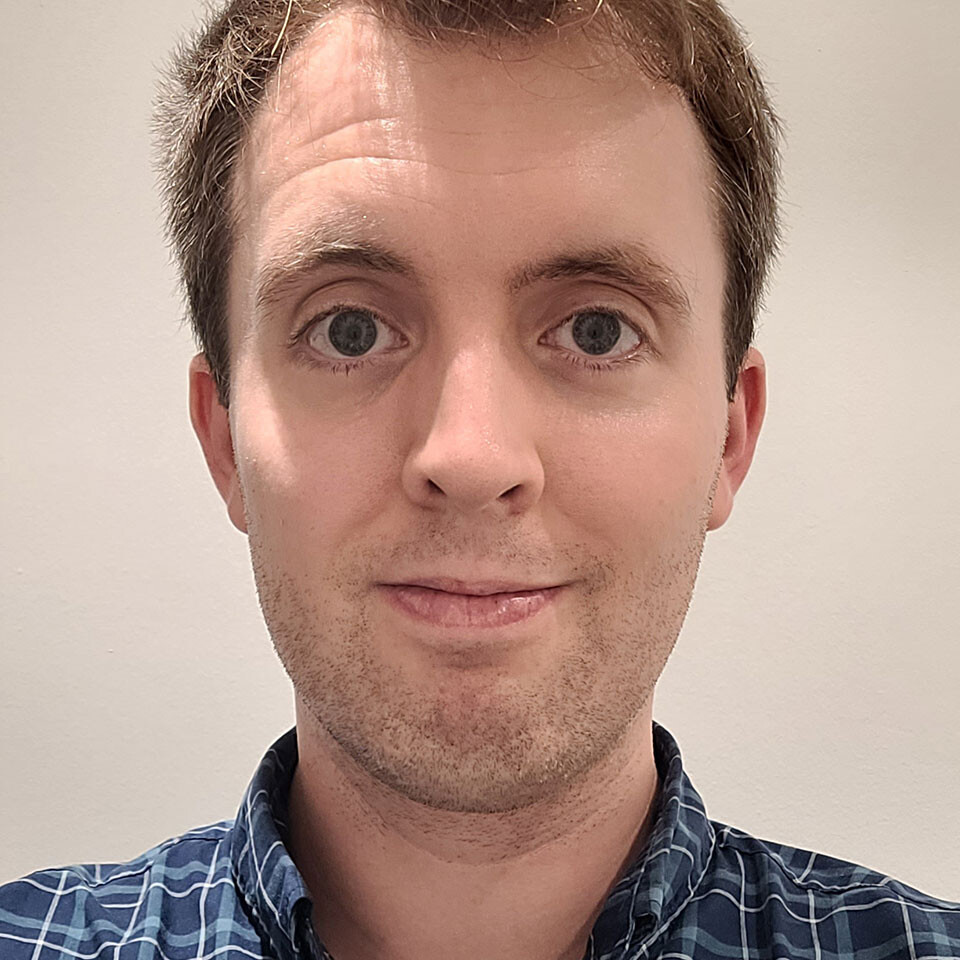
Research in the Hindley group takes a multidisciplinary approach to construct bioinspired nano and microsystems known as synthetic cells. By utilising molecular self-assembly, and interfacing compartments with other (bio)molecules, synthetic cells can be constructed with the ability to mimic the architectures, functions and behaviours of biology.

Chris Coxon
Chris Coxon is a medicinal chemist and chemical biologist at the University of Edinburgh. His research interests are in peptide design, synthesis and the effects and applications of fluorination to control and study peptide and protein folding, recognition and assembly.

Keith Willison
The Willison Group’s research interests cover a range of topics including eukaryotic protein folding and single molecule approaches to protein dynamics and protein counting.

Andy Wilson
Andy Wilson is a Professor in the School of Chemistry at the University of Birmingham. The Wilson group are interested in the application of synthetic molecules to problems in Chemical Biology and Materials Science. We pursue both curiosity driven fundamental research and mission inspired research addressing societal challenges.

Manuel Müller
Manuel is the head of a lab that focuses on developing and applying chemical biology tools to elucidate how proteins are controlled by post-translational modifications.