
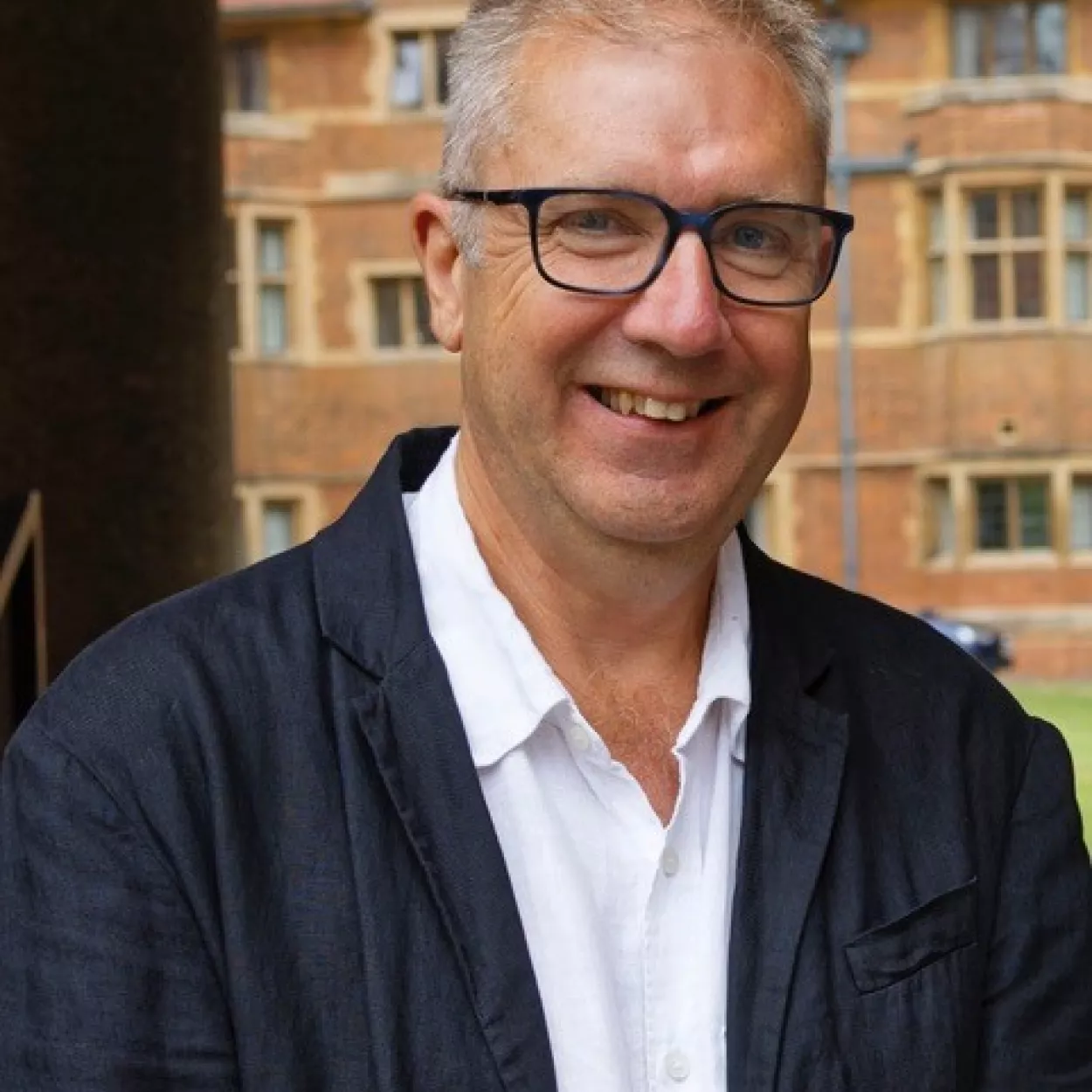
Christopher A Hunter
Professor Christopher A Hunter FRS is the Herchel Smith Professor of Organic Chemistry at the University of Cambridge and Fellow of Emmanuel College. He is also a Fellow of the Royal Society and an Honorary Member of the Royal Irish Academy.

Andrew Marsh
Dr Andrew Marsh has been making molecules for applications in supramolecular and biological systems since the last century. His current research interests include applications of guanosine quartets for delivery of potential therapeutics, inhibitors of RNA viruses and associated problems in medicinal chemistry.
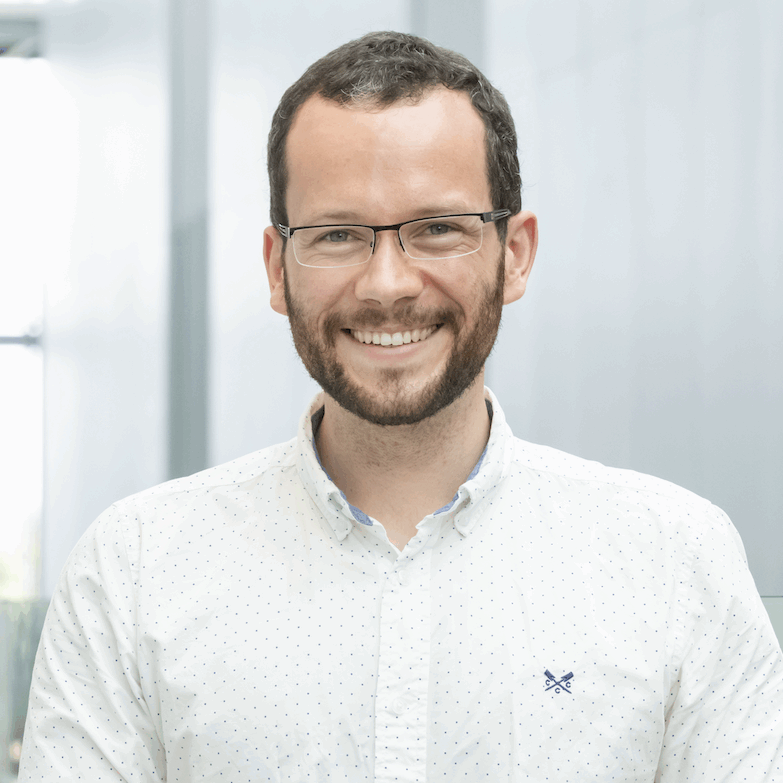
Charlie McTernan
Charlie McTernan is a Group Leader in the Physical Sciences at the Francis Crick Institute in London, and a Senior Lecturer at the Department of Chemistry at King's College London. He is a Supramolecular Chemist, investigating how Artificial Molecular Machines and Metal-Organic Capsules can be applied in Biomedical Science.
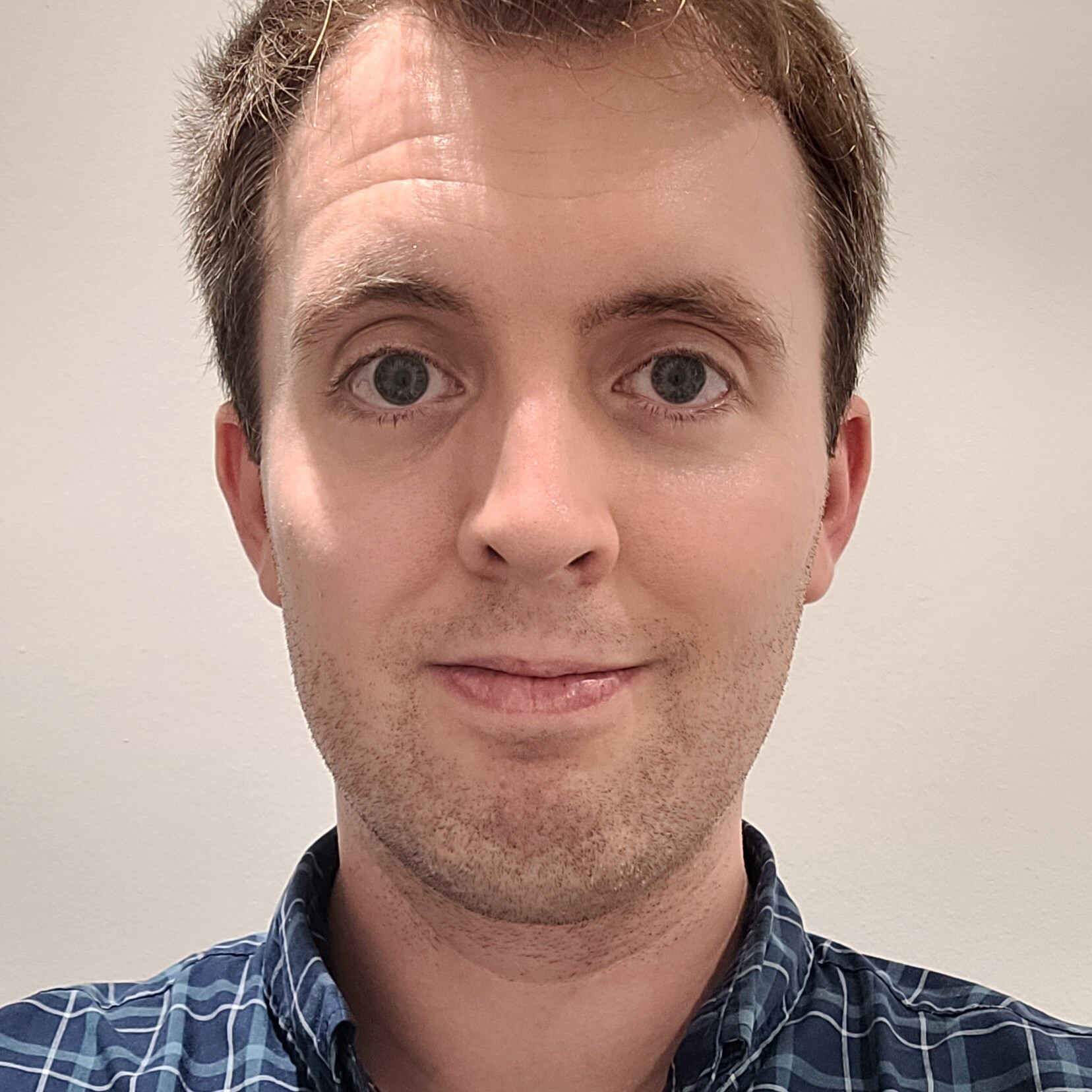
James Hindley
Research in the Hindley group takes a multidisciplinary approach to construct bioinspired nano and microsystems known as synthetic cells. By utilising molecular self-assembly, and interfacing compartments with other (bio)molecules, synthetic cells can be constructed with the ability to mimic the architectures, functions and behaviours of biology.
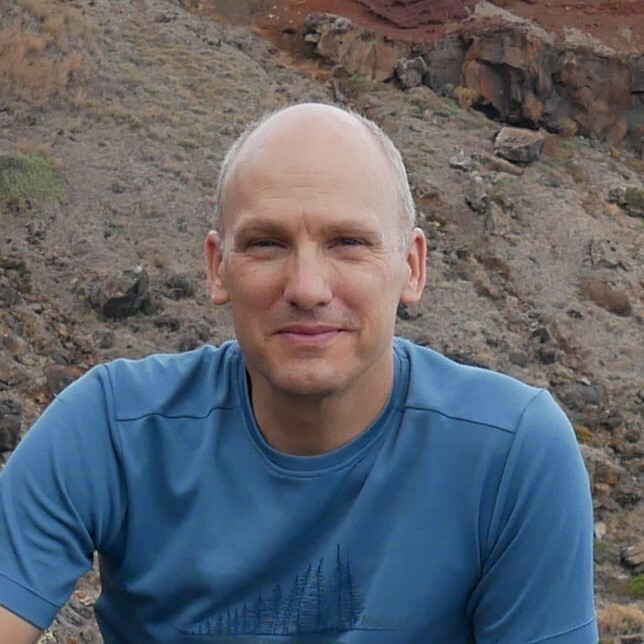
Jonathan Nitschke
The Nitschke Group use chemical self-assembly to create complex structures with targeted functions from simple building blocks. Our work deals with the preparation of complex structures using a process we refer to as subcomponent self-assembly.

Jonathan Clayden
Jonathan leads a synthetic chemistry group with expertise in design/applications of amide and urea-based with controlled but dynamic conformational properties.

Peter Knipe
Peter is a synthetic organic chemist with a group focused on developing synthetic methodologies, and developing new foldamer motifs. The Knipe Group are particularly interested in precise control of conformation by non-covalent interactions, stereoelectronic effects and monomer structure.

Sarah Pike
Sarah is the lead of a synthetic supramolecular group based in the School of Chemistry at the University of Birmingham. Their research focuses on the development of new responsive supramolecular systems.