
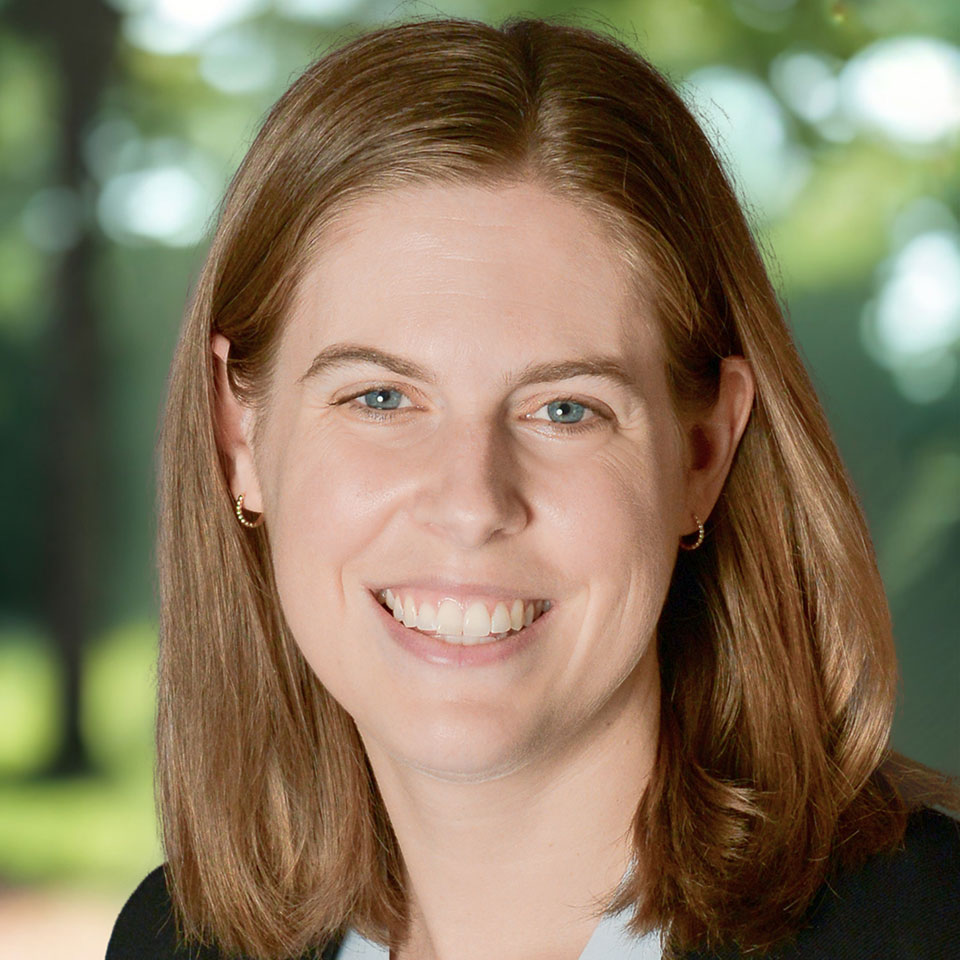
Abigail Knight
Abigail Knight is an Associate Professor in the Department of Chemistry at the University of North Carolina at Chapel Hill. Her research group works at the interface of chemical biology and polymer science, developing protein-mimetic synthetic macromolecules with biomimetic hierarchical structure.
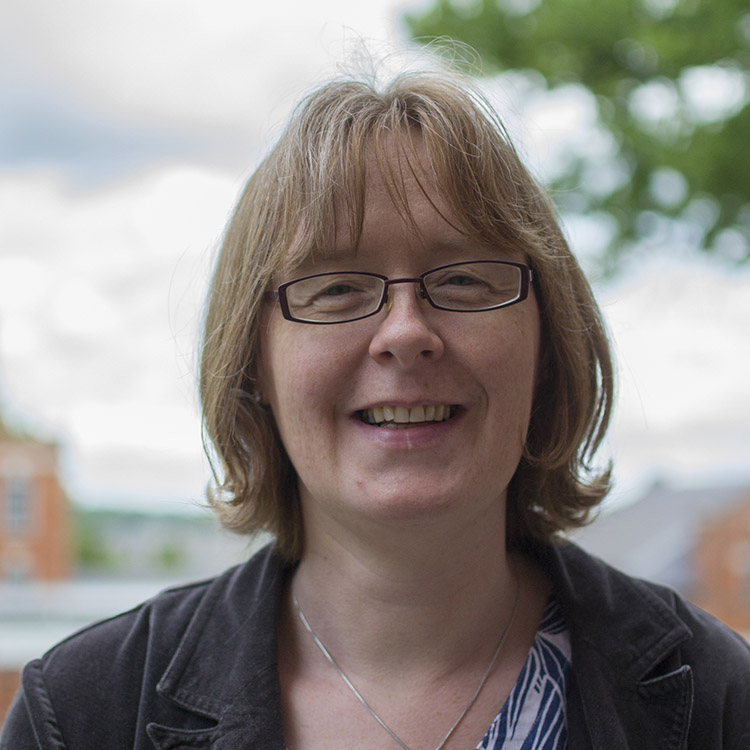
Alison Edwards
Dr Alison Edwards is the Senior Lecturer in Pharmaceutical Chemistry at the Universities of Greenwich and Kent at Medway. Alison's research interests include the use of chiroptical spectroscopy, the conformational preference of novel foldamer systems and the preparation of supramolecular hydrogels using carbohydrate scaffolds.

André Cobb
André is the Director of FoldNetUK and lead investigator of a research group focused on the synthesis and application of new peptidic structures, particularly through the development of new methodologies towards unnatural amino acids.

Andrew Marsh
Dr Andrew Marsh has been making molecules for applications in supramolecular and biological systems since the last century. His current research interests include applications of guanosine quartets for delivery of potential therapeutics, inhibitors of RNA viruses and associated problems in medicinal chemistry.

Andy Wilson
Andy Wilson is a Professor in the School of Chemistry at the University of Birmingham. The Wilson group are interested in the application of synthetic molecules to problems in Chemical Biology and Materials Science. We pursue both curiosity driven fundamental research and mission inspired research addressing societal challenges.
Anna Barnard
Anna is an Associate Professor (Senior Lecturer) in the Department of Chemistry at Imperial. Her research focuses on the development of peptides and small molecules to understand and perturb protein-protein interactions.
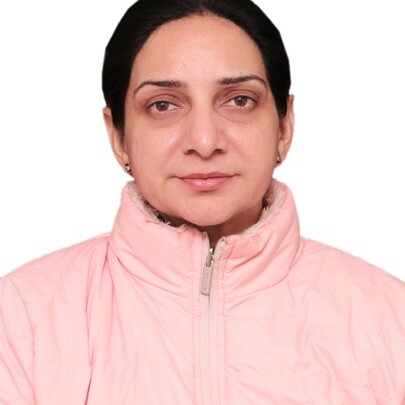
Anupreet Kaur
Dr Kaur is a dedicated and research-oriented Assistant Professor with over 14 years of experience in teaching and advanced research in chemistry. Expertise in nanomaterials, environmental remediation, and analytical techniques. Proven track record in publications, patents, and academic contributions with strong interest in innovative materials and foldamer-based systems.
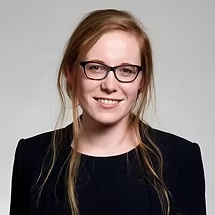
Beatrice Collins
Beatrice is the Early Career Champion for the Network and leads a synthetic chemistry research group in the School of Chemistry at the University of Bristol. Beatrice's research is focused on the design and development of autonomously operating molecular motors.
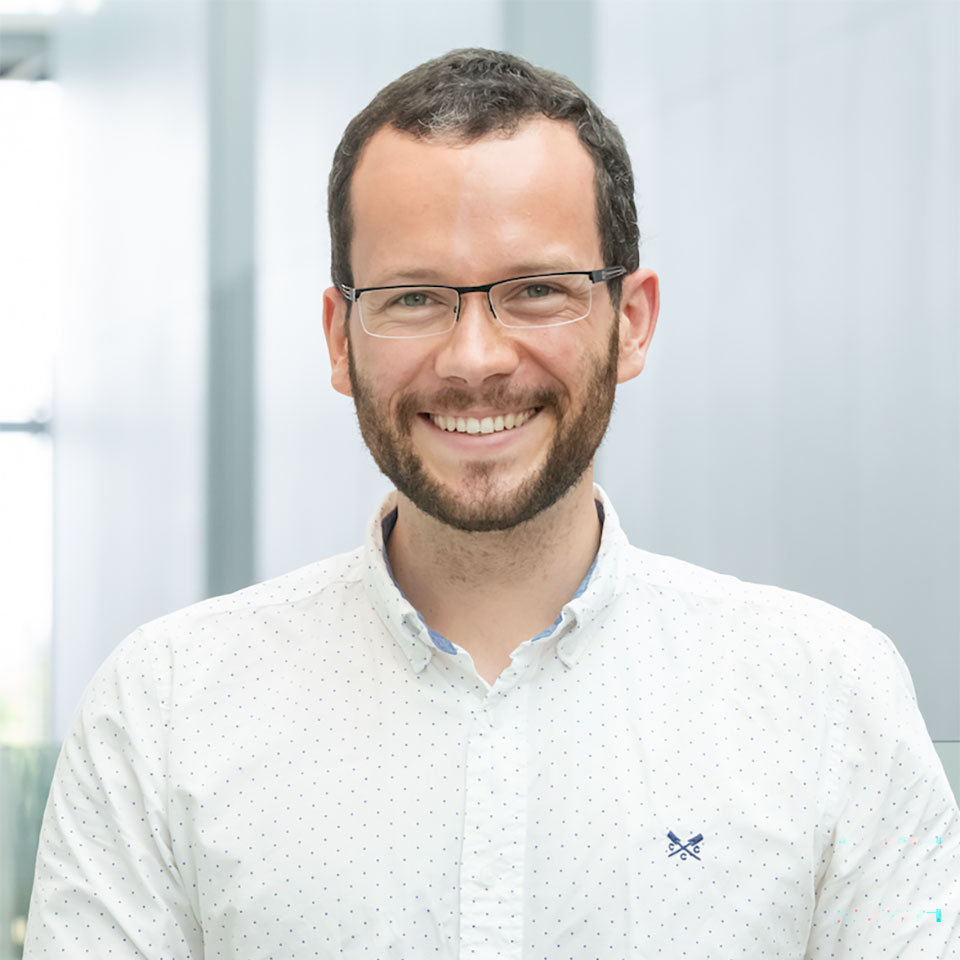
Charlie McTernan
Charlie McTernan is a Group Leader in the Physical Sciences at the Francis Crick Institute in London, and a Senior Lecturer at the Department of Chemistry at King's College London. He is a Supramolecular Chemist, investigating how Artificial Molecular Machines and Metal-Organic Capsules can be applied in Biomedical Science.

Chris Coxon
Chris Coxon is a medicinal chemist and chemical biologist at the University of Edinburgh. His research interests are in peptide design, synthesis and the effects and applications of fluorination to control and study peptide and protein folding, recognition and assembly.
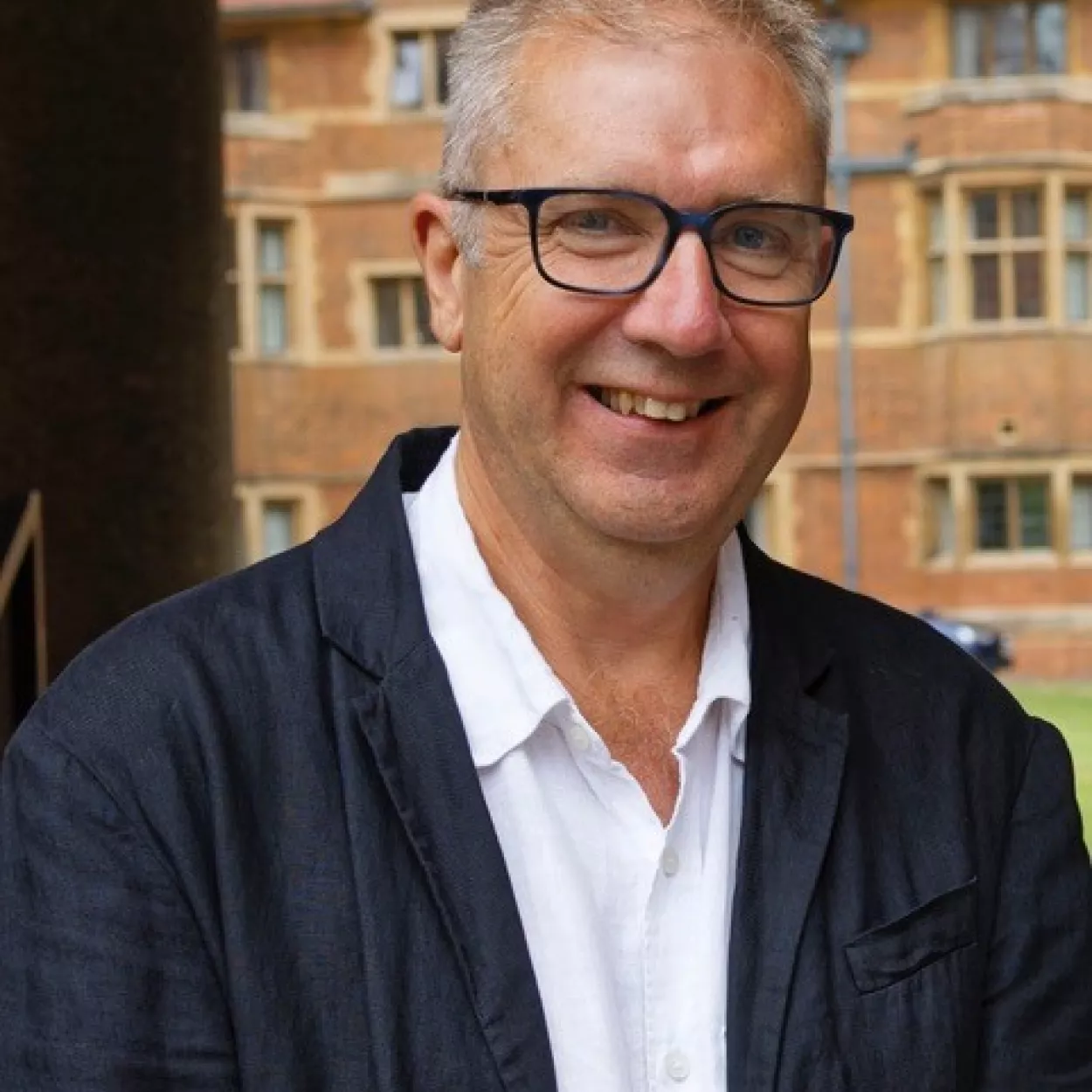
Christopher A Hunter
Professor Christopher A Hunter FRS is the Herchel Smith Professor of Organic Chemistry at the University of Cambridge and Fellow of Emmanuel College. He is also a Fellow of the Royal Society and an Honorary Member of the Royal Irish Academy.
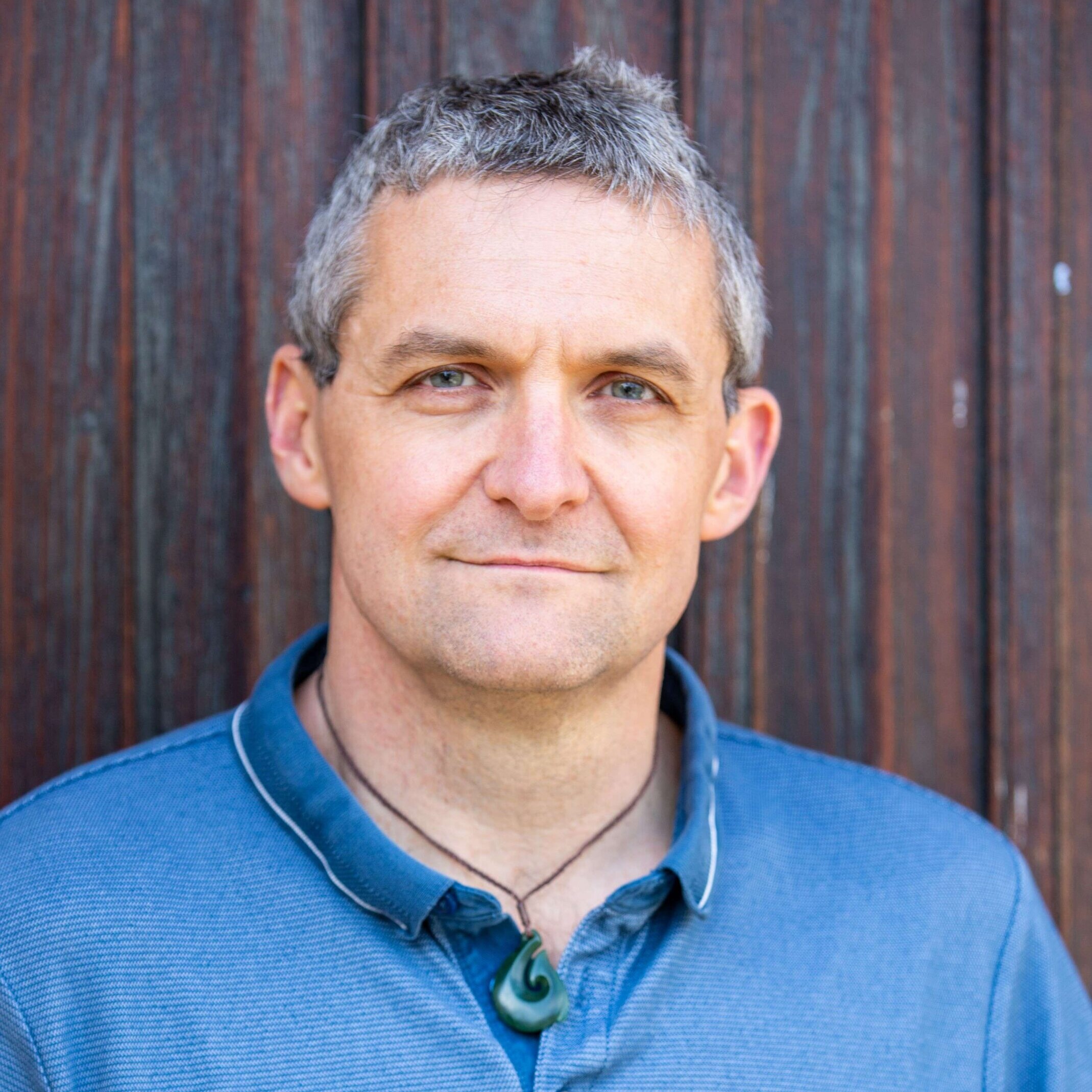
Craig Butts
Professor Craig Butts is the Head of the School of Chemistry and Professor of Structural and Mechanistic Chemistry at the University of Bristol. The Butts Research Group tackles challenges based around organic molecular structure and reaction mechanism, principally using NMR spectroscopy - the most information-rich analytical technique available to chemists.
Cristina Trujillo
Dr Cristina Trujillo is the Lecturer and Deputy Head of Computational & Theoretical Chemistry at the University of Manchester.

Edina Rosta
Edina Rosta is a Professor of Molecular Modelling in the Condensed Matter & Materials Physics group of the Department of Physics and Astronomy at University College London.
Geertje Van Keulen
Dr Geertje van Keulen is Associate Professor in Microbial Biochemistry in the Institute of Life Science in the Medical School at Swansea University. She assembles and leads interdisciplinary research and innovation teams with microbiology at its core, expanding understanding of and sustainably exploiting the chemical and materials properties of microbes and amyloid proteins in living, manufactured and natural (soil) environments.
Glenn Burley
Glenn A. Burley is Professor of Chemical Biology at the University of Strathclyde. He was awarded a Bachelor of Medicinal Chemistry (Hon. I) and a PhD in Organic Chemistry from the University of Wollongong, Australia.

Harry Anderson
Harry Anderson has led an independent research group at the University of Oxford since 1995. His research topics include porphyrin-based molecular wires, cyclodextrin polyrotaxanes, insulated molecular wires, encapsulated π-systems, template-directed synthesis, multivalent cooperativity, nanorings, polyynes, new carbon allotropes and functional dyes.
Ian Hamley
Professor Ian Hamley is Diamond Professor of Physical Chemistry in the Department of Chemistry at the University of Reading.
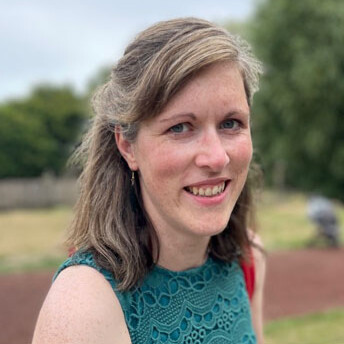
Imogen Riddell
Imogen is a Royal Society University Research Fellow at the University of Manchester. She completed her undergraduate degree at the University of Strathclyde in Glasgow, and then moved to the University of Cambridge where she completed a PhD in the Nitschke group developing novel self-assembling architectures for a variety of applications.
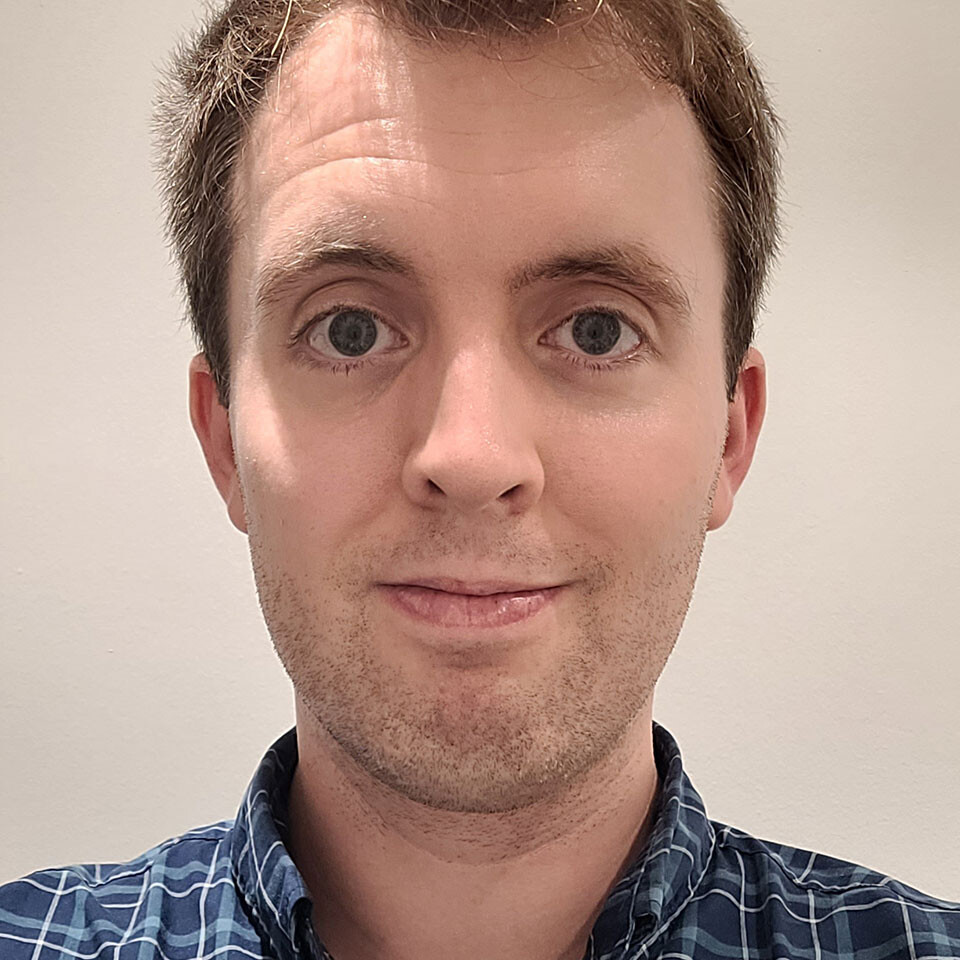
James Hindley
Research in the Hindley group takes a multidisciplinary approach to construct bioinspired nano and microsystems known as synthetic cells. By utilising molecular self-assembly, and interfacing compartments with other (bio)molecules, synthetic cells can be constructed with the ability to mimic the architectures, functions and behaviours of biology.
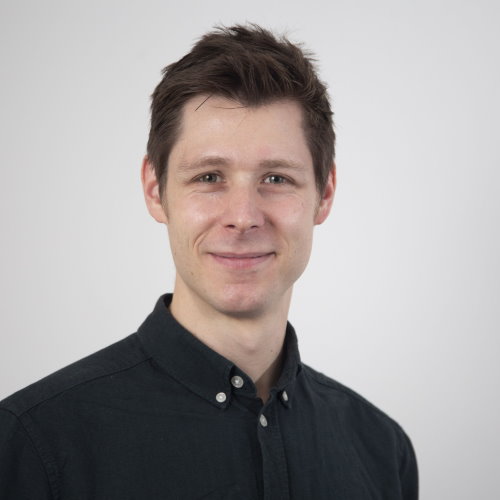
Jamie Lewis
Jamie Lewis is a Royal Society University Research Fellow and Associate Professor in Supramolecular Chemistry at the University of Birmingham. His group's research interests are broadly in the design and synthesis of functional supramolecular molecules and materials, including organic and metal-organic cages, coordination polymers, and mechanically interlocked molecules.

Jason Davis
The Davis Group develops and applies methods for the design, analysis and manipulation of functional molecular interfaces (bioelectronic, biochemical, wires, mechanically interlocked, nanoparticles), often at molecular scales, and are actively engaged in the use and development of state of the art molecular, theranostic and medical imaging technologies.
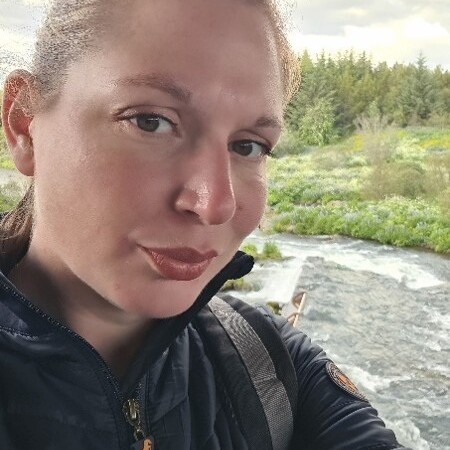
Jennifer Hiscock
Jennifer Hiscock is a Professor of Supramolecular Chemistry (2022) and UKRI Future Leaders Research Fellow in the School of Natural Sciences at the University of Kent (UK). She studied for a PhD in the group of Prof. Phil Gale at the University of Southampton and carried out postdoctoral research in the same group until 2015. Following this she moved to the University of Kent as the Caldin Research Fellow in 2015, she was appointed Lecturer in Chemistry in 2016 and Reader in Supramolecular Chemistry in 2019. Her current research interests focus on the development of her patented Talin Shock Absorbing Material (TSAM) and Supramolecular Self-associating Amphiphile (SSA) technologies for real world applications.

Jonathan Clayden
Jonathan leads a synthetic chemistry group with expertise in design/applications of amide and urea-based with controlled but dynamic conformational properties.
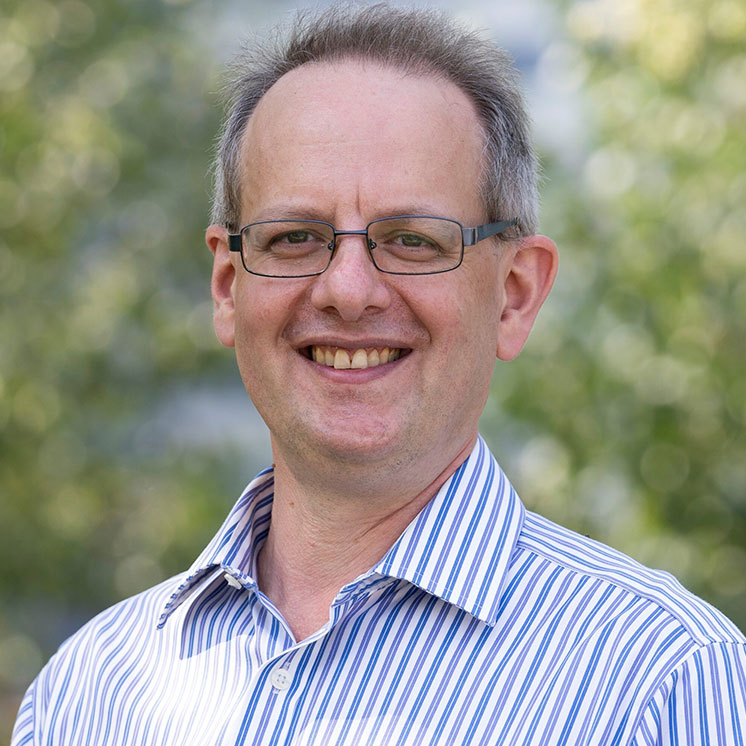
Jonathan Hirst
Jonathan Hirst is Professor in Computational Chemistry at the University of Nottingham. He was Head of Chemistry at Nottingham (2013-2017) and his tenure saw some significant transformations, including the building of the GSK Carbon Neutral Laboratory and a successful bid for an Athena Swan Silver Award.
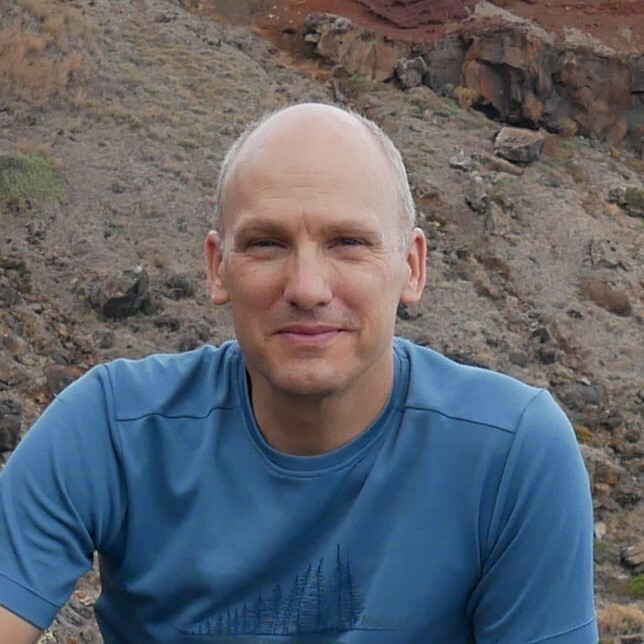
Jonathan Nitschke
The Nitschke Group use chemical self-assembly to create complex structures with targeted functions from simple building blocks. Our work deals with the preparation of complex structures using a process we refer to as subcomponent self-assembly.

Keith Willison
The Willison Group’s research interests cover a range of topics including eukaryotic protein folding and single molecule approaches to protein dynamics and protein counting.
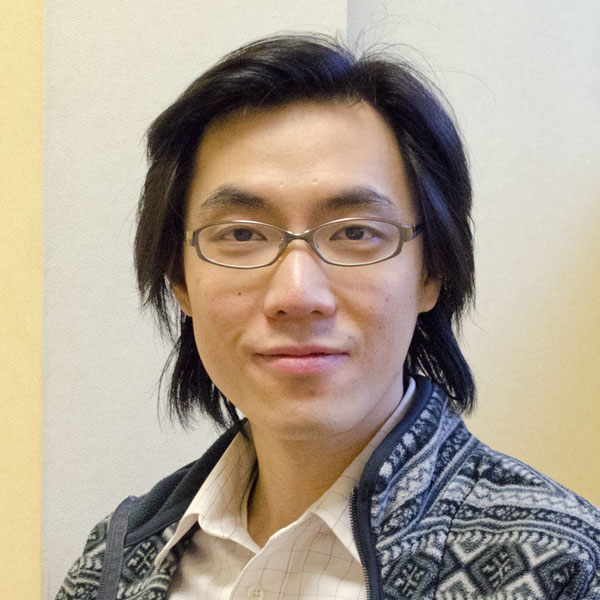
King Hang Aaron Lau
Aaron takes an interdisciplinary approach based on molecular engineering and biophysical chemistry to pioneer peptides and peptide-mimetic “peptoids” with precise molecular functionalities for antimicrobials, self-assembly, and biomedical applications. He also develops plant-based polyphenol-biopolymer composites as coatings and sustainable materials.

Lorna Smith
Lorna is a Professor of Chemistry whose research centres around understanding protein folding and misfolding using a combination of experimental and theoretical approaches. In the area of Foldamers her work is particularly concentrated on MD simulations of peptides containing non-proteinogenic amino acids.
Louis Luk
The Luk Group, based at the University of Cardiff, aims to empower protein science and its applications, through (a) Protein labelling via biocatalysts, (b) Discovery of Peptide Binders, and (c) Enzyme catalysed bifunctional ligand synthesis.

Manuel Müller
Manuel is the head of a lab that focuses on developing and applying chemical biology tools to elucidate how proteins are controlled by post-translational modifications.
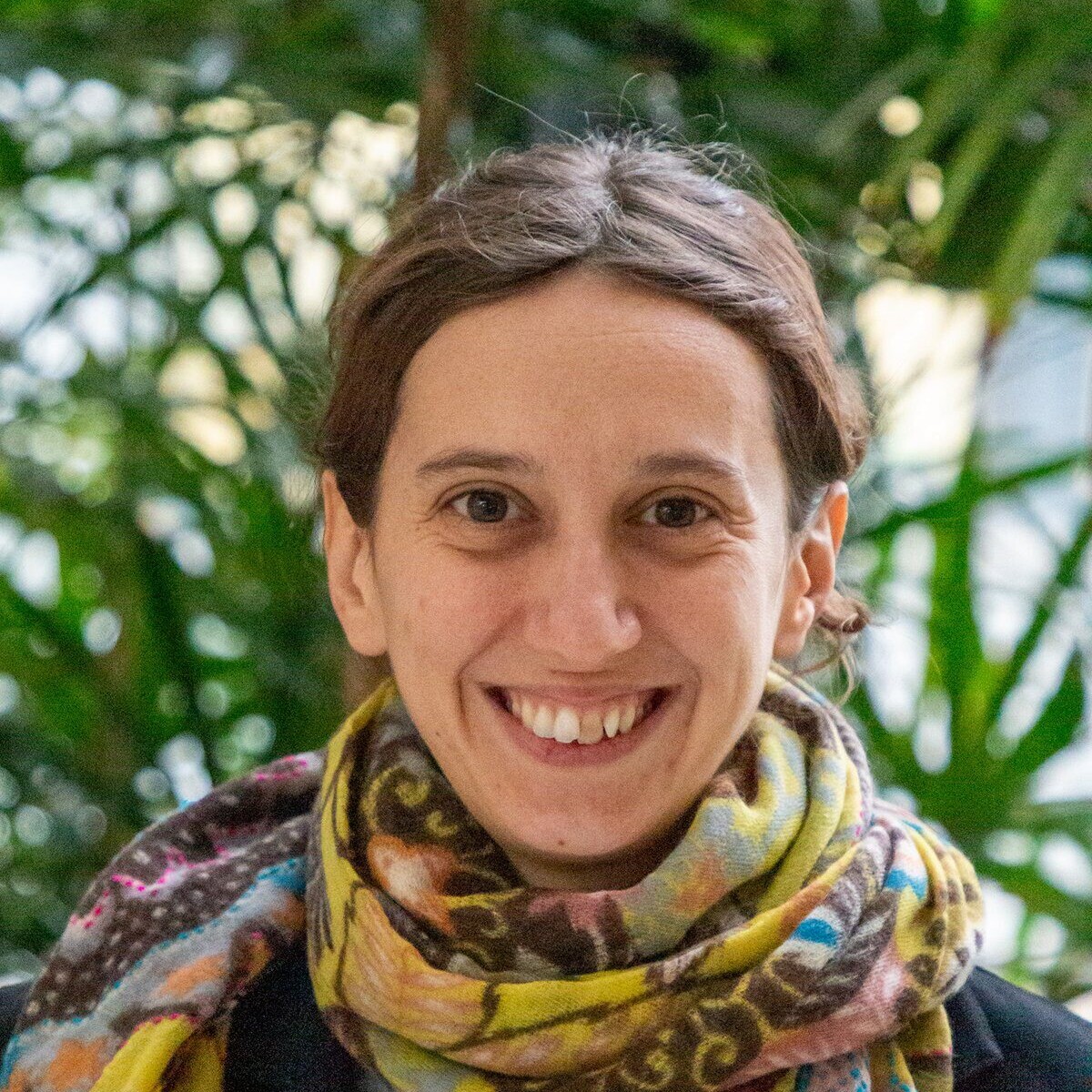
Martina Delbianco
Martina is the Group Leader of the Carbohydrate Materials at the Max Planck Institute for Colloids and Interfaces. Her group synthesizes glycans that fold into defined secondary structures and assemble into programmable supramolecular architectures.
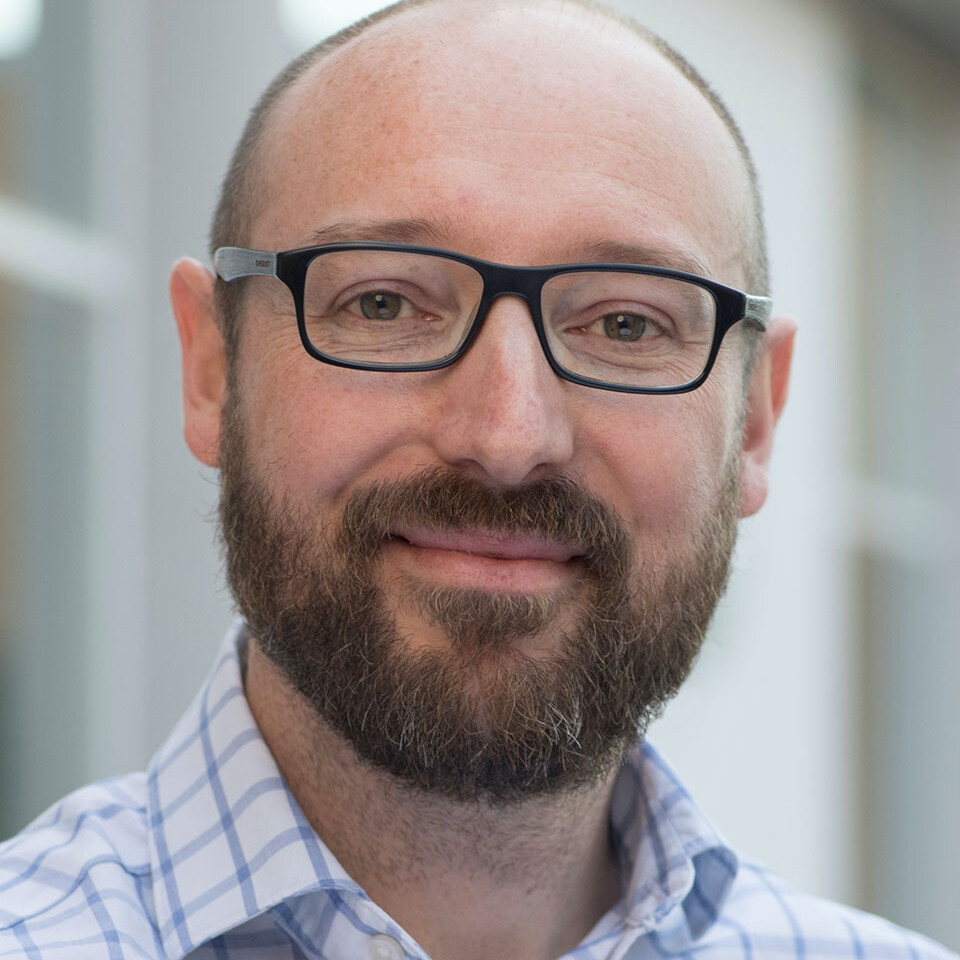
Nicholas Mitchell
Nick's group focuses on the development of new bioconjugation methodologies. Current projects include the exploration of photocatalytic, biocatalytic, and electrochemical methods for the site-selective modification of peptides and proteins.
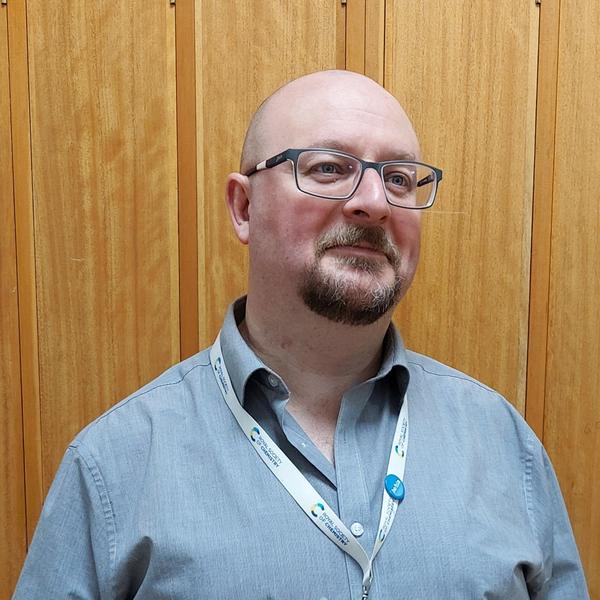
Nick Turner
Professor Turner's interests lie in the field of molecular recognition, and in particular the development of artificial recognition elements. Molecularly Imprinted Polymers (MIP) are a simple elegant biomimetic technology where recognition sites, analogous to the binding sites of antibodies, enzymes and receptors are created in polymeric materials containing complementary functionality to a target molecule.
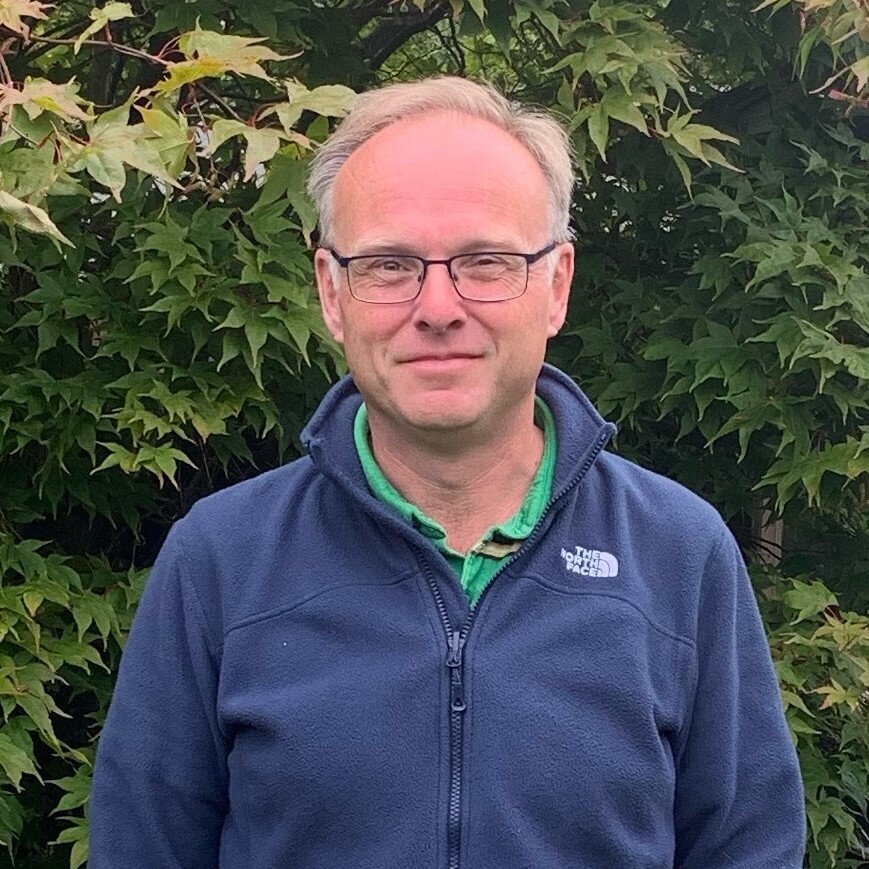
Paul Lusby
The Lusby group has established itself as pioneers in the field of application-led supramolecular chemistry, developing methods in catalysis, biomedicine and magnetism. Professor Paul Lusby started his independent academic career as a Royal Society URF at the University of Edinburgh, where he now holds a personal chair in supramolecular chemistry.
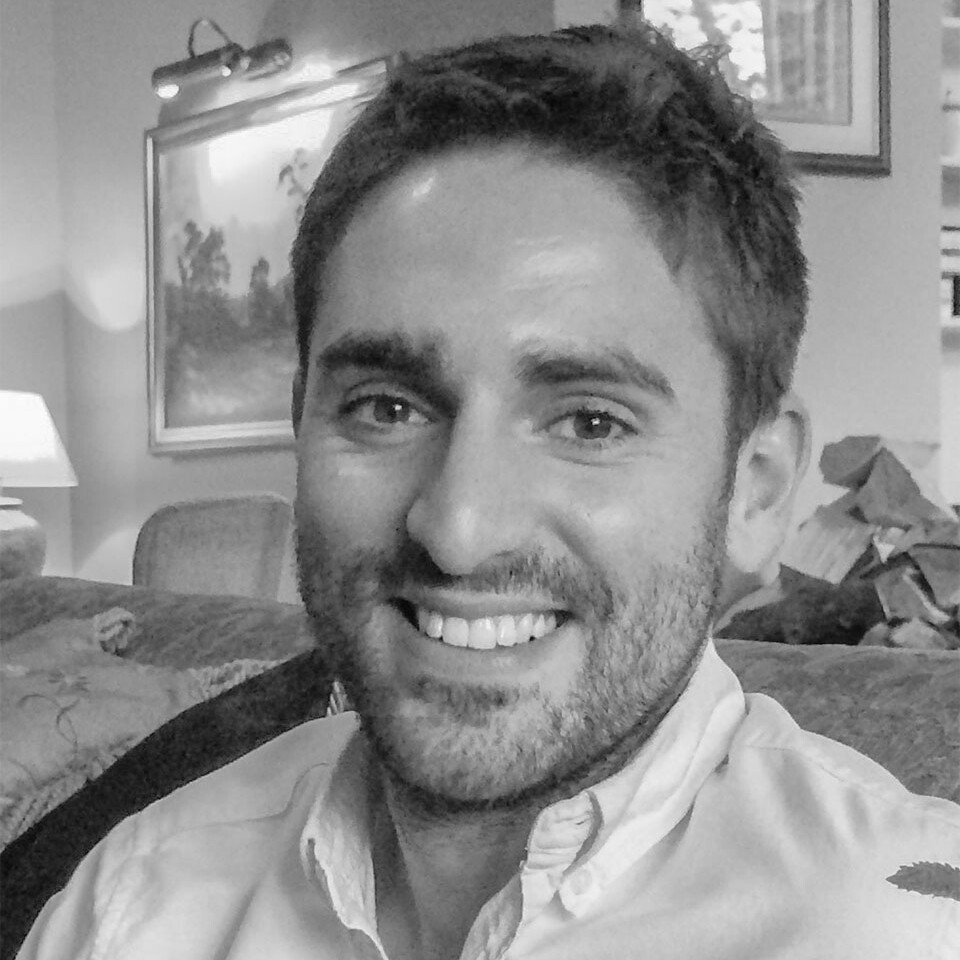
Peter Knipe
Peter is a synthetic organic chemist with a group focused on developing synthetic methodologies, and developing new foldamer motifs. The Knipe Group are particularly interested in precise control of conformation by non-covalent interactions, stereoelectronic effects and monomer structure.

Sam Thompson
Thompson Group research focuses on structure guided rational design to synthesise molecules that address problems in biology, medicine and materials. The research programme includes:
Protein-protein interaction inhibition
Tools to interrogate protein misfolding conditions
Abiotic foldamers: programmable 3D architectures

Sarah Pike
Sarah is the lead of a synthetic supramolecular group based in the School of Chemistry at the University of Birmingham. Their research focuses on the development of new responsive supramolecular systems.

Scott Cockroft
Scott is the lead investigator of a group which spans organic, physical, and bioorganic chemistry. We combine molecules of synthetic and biological origins to examine the physical organic chemistry underpinning molecular interactions and the operation of molecular machines.
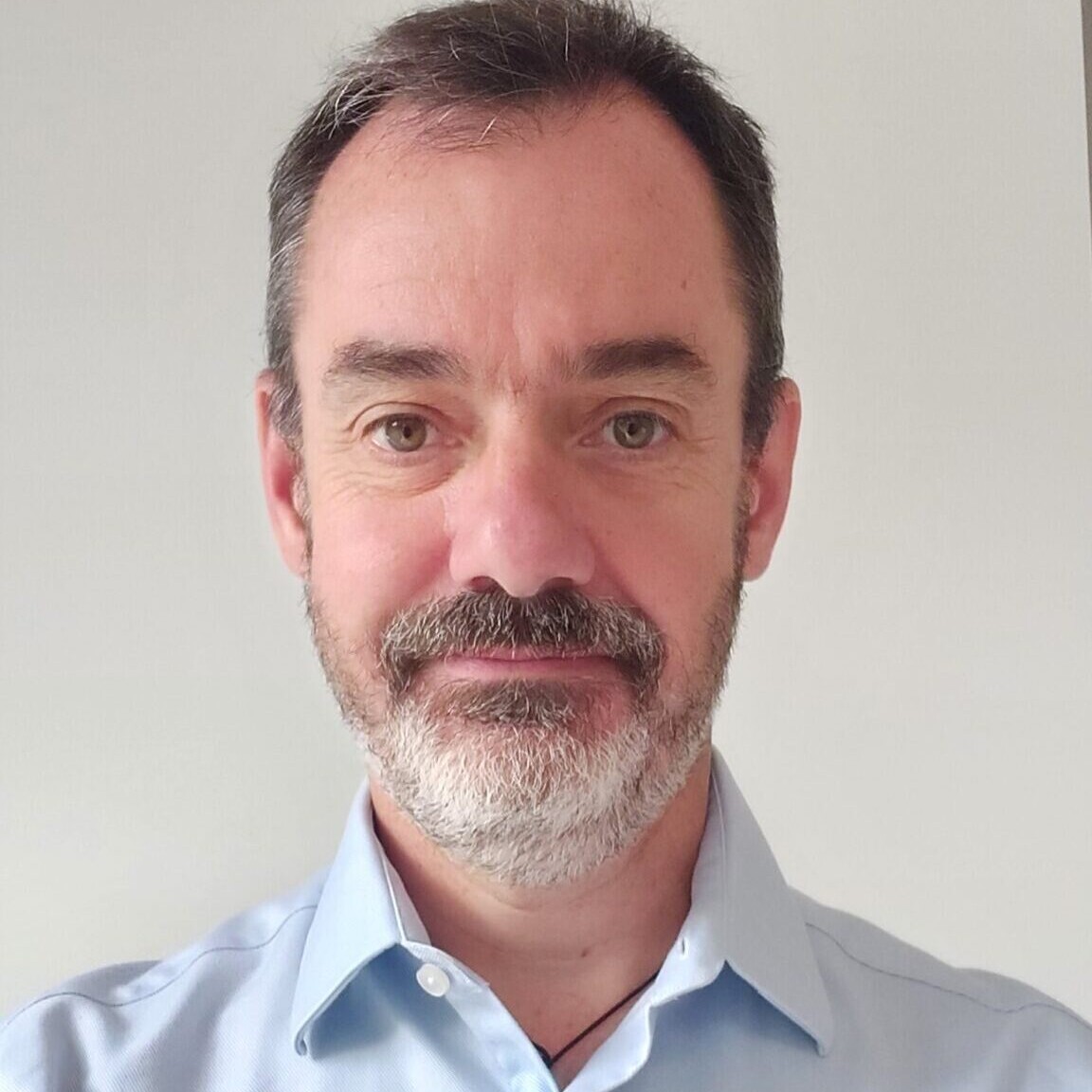
Simon Webb
Simon Webb is currently Professor of Organic Chemistry in the Department of Chemistry at the University of Manchester. His research interests fall mostly in the area of supramolecular chemistry within membranes, which includes the development of synthetic signal transducers and ion channels.

Steven Cobb
Steven is the Director of the Biophysical Sciences institute and his research group uses a range of methods and techniques in synthetic organic, peptoid and peptide chemistry to tackle interesting and challenging biological problems.

Varinder Aggarwal
Varinder's research interests include; the development of new catalytic processes for asymmetric synthesis; the development of chiral carbenoids and their use and subsequent applications in catalysis and synthesis; the development of new methodology and its applications in synthesis; total synthesis of biologically important targets.
Join the UK Foldamer Network
To engage with all the exciting opportunities and events this network has to offer, please register now. It’s quick and easy.